Ingredient vs Ingredient

    Glycolic Acid vs Lactic Acid

    All comparisons
    Written by Jadranka Cubrilo, Ph.D.Fact checked by Yishika JainReviewed by Dr. Emily Grimshaw, Board-Certified DermatologistUpdated November 11, 2026 · 7 min readAdd as a preferred source on Google
    TakeawaysAI-generated

    Glycolic acid and lactic acid are both alpha hydroxy acids, and the difference is molecule size. Glycolic acid is the smallest AHA, so it penetrates fastest and resurfaces hardest, best for normal to oily skin chasing texture and tone. Lactic acid is larger and slower, so it exfoliates more gently and adds hydration, best for dry or sensitive skin. Both are nighttime ingredients requiring daily sunscreen. Very reactive skin should consider a PHA like gluconolactone instead. Start either at two nights a week and build up.

    This summary was generated by AI and reviewed by our editors.

    Jump to the products compared ↓

    What we updated

    1. November 11, 2026

      Edited section headings for clarity.

    Glycolic vs Lactic Acid: The Short Answer

    Glycolic acid is the stronger resurfacer; lactic acid is the gentler, more hydrating one. Both are alpha hydroxy acids that loosen dead surface cells so skin looks smoother and brighter, and the entire difference comes down to molecule size.

    Research on alpha hydroxy acids shows they exfoliate the surface and improve the appearance of texture and photoaged skin at cosmetic concentrations.

    • Choose glycolic acid if your skin is normal to oily and your goal is maximum smoothing and tone work.
    • Choose lactic acid if your skin is dry or sensitive and you want exfoliation plus hydration.
    • Choose a PHA like gluconolactone if even lactic acid stings.

    Why molecule size decides everything

    Glycolic acid is the smallest AHA, so it penetrates quickly and works hard. That speed is its strength on rough texture and uneven tone, and its weakness on sensitive skin, where fast penetration reads as sting.

    Lactic acid is larger. It penetrates slowly, exfoliates more gently, and carries a humectant side effect: it helps skin hold water while it resurfaces. That combination is why dry and sensitive skin does better on lactic.

    How to use either safely

    The rules are identical. Use at night, start two nights a week, increase only as your skin adjusts, and never skip morning sunscreen, because AHAs increase sun sensitivity. Do not stack either with retinoids in the same routine while you are adjusting; alternate nights instead.

    Signs you have overdone it: tightness, shine that is actually inflammation, stinging on plain moisturizer. Drop back to once a week and rebuild.

    Which Should You Choose?

    Match the acid to your skin's tolerance, not to strength bragging rights. Resilient, oily, texture-focused skin gets more from glycolic. Dry, sensitive, or dehydrated skin gets more from lactic, because exfoliation without hydration just trades texture for tightness. And if both sting, the polyhydroxy acid class exists precisely for you.
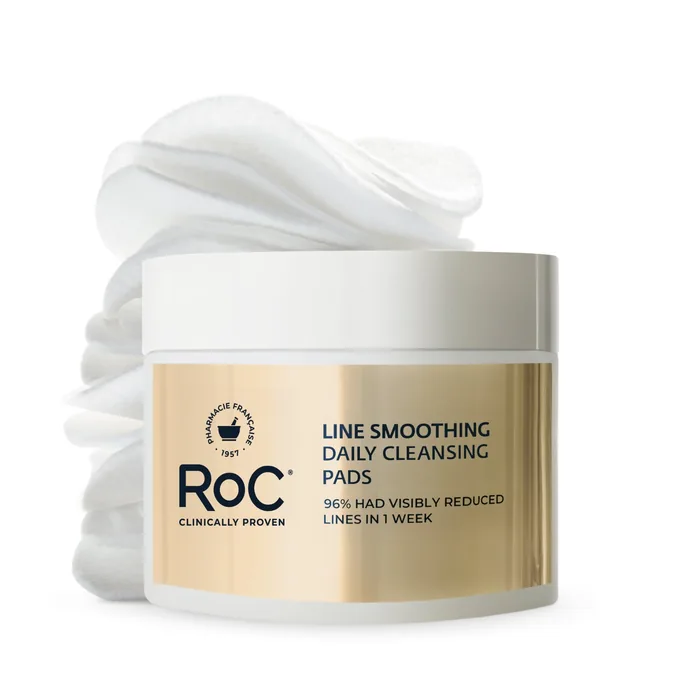
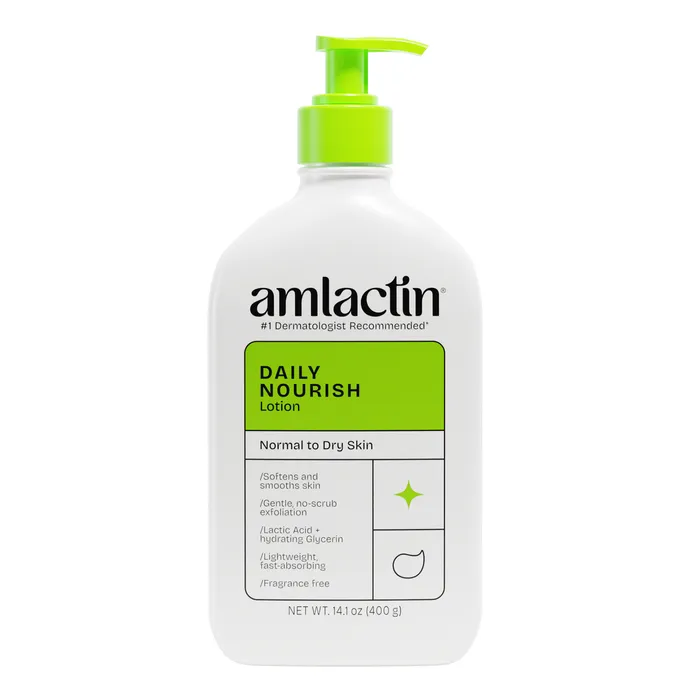
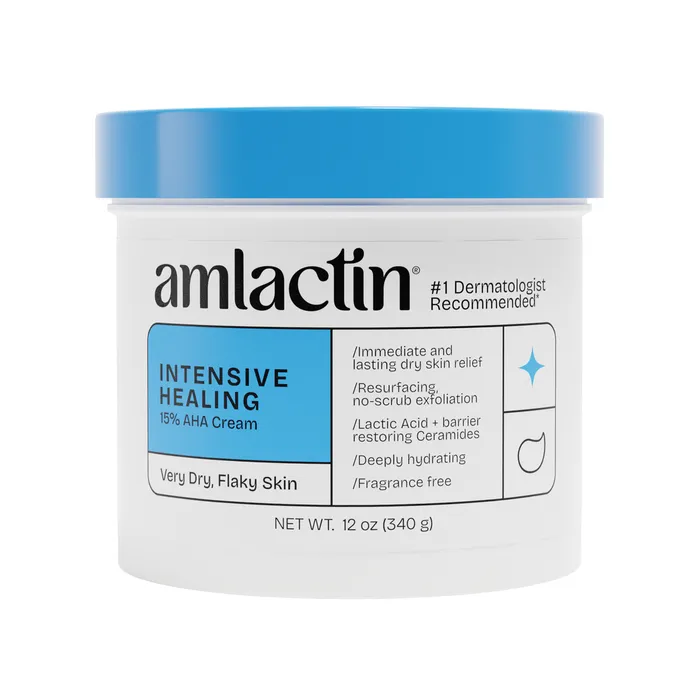
    The products compared

    Glycolic acid

    Lactic acid

    Prices are MSRP snapshots; confirm on the brand page before buying. These products are researched, not BLC lab-tested, so they are not scored on our 7-criteria system.

    Frequently asked questions

    Which is stronger, glycolic or lactic acid?

    Glycolic acid is stronger. Its smaller molecule penetrates faster and resurfaces harder, which suits resilient, normal to oily skin. Lactic acid is gentler and adds hydration, which suits dry and sensitive skin.

    Can I use glycolic and lactic acid together?

    There is little reason to. They do the same job at different strengths, so pick the one matched to your tolerance. Combining them raises irritation risk without adding a new benefit.

    Is lactic acid good for dry skin?

    Yes. Lactic acid exfoliates gently and acts as a humectant, so it helps skin hold water while it smooths texture, which makes it the better AHA for dry or dehydrated skin.

    Do AHAs make skin sun sensitive?

    Yes. Both glycolic and lactic acid increase sun sensitivity, so they are nighttime ingredients and daily morning sunscreen is non-negotiable while you use them.
    Jadranka Cubrilo, Ph.D., Cosmetic Chemistry Reviewer at BestLiftingCream.com

    Written by

    Jadranka Cubrilo, Ph.D.

    Cosmetic Chemistry Reviewer

    Dr. Jadranka Cubrilo holds a Ph.D. in chemistry and has spent her career inside the skincare formulation industry.

    Read full bio
    Yishika Jain, Content Reviewer and Long-Cycle Tester at BestLiftingCream.com

    Fact checked by

    Yishika Jain

    Content Reviewer and Long-Cycle Tester

    Yishika Jain is a certified makeup artist and beauty content creator whose reviewing career spans hundreds of skincare and color products.

    Read full bio
    Dr. Emily Grimshaw, Board-Certified Dermatologist and Medical Reviewer at BestLiftingCream.com

    Reviewed by

    Dr. Emily Grimshaw

    Board-Certified Dermatologist and Medical Reviewer

    Dr. Emily Grimshaw is a board-certified dermatologist at Dallas Associated Dermatologists, where she has practiced medical and cosmetic dermatology since 2018.

    Read full bio
    • Board-certified dermatologist, American Board of Dermatology
    • MD, University of Texas Medical School at Houston
    • Dermatology residency, University of Texas Medical Branch, Galveston (Chief Resident)
    • Fellow of the American Academy of Dermatology (FAAD)
    • Alpha Omega Alpha medical honor society