Lifting Cream Ingredients That Actually Work
Five actives carry most of the science behind a lifting cream. Know these and the marketing copy on the box starts making sense.
Also seen as: signal peptides, palmitoyl tripeptide, copper peptides
- What it does
- Short chains of amino acids that signal skin to produce more collagen and elastin, the two proteins that give skin its firmness and bounce.
- Best for
- Loss of firmness, fine lines, post-30 maintenance. The most studied lifting-cream active alongside retinol.
- Evidence
- Topical peptide formulations show measurable improvements in wrinkle depth and skin elasticity in controlled trials. PubMed: peptides in skin aging.
Read full Peptides guide ->Also seen as: retinol, retinal (retinaldehyde), retinyl esters, tretinoin
- What it does
- Vitamin A derivatives that accelerate cell turnover, boost collagen, and fade pigment. The gold-standard anti-aging active.
- Best for
- Visible wrinkles, uneven texture, sun damage. Start low (0.1-0.3% retinol) and build tolerance over weeks.
Read full Retinoids guide ->Also seen as: Ceramide NP, Ceramide AP, Ceramide EOP, Ceramide EOS, Ceramide NS, Phytosphingosine, Sphingosine, Caprooyl Phytosphingosine, Caprooyl Sphingosine
- What it does
- Naturally-occurring lipids that hold the skin barrier together. Lose them and your skin loses water and irritates more easily.
- Best for
- Dry, sensitive, or compromised skin. Pairs well with retinoids to offset irritation.
Read full Ceramides guide ->Also seen as: sodium hyaluronate, hydrolyzed hyaluronic acid, hydrolized hyaluronic acid, sodium hyaluronate crosspolymer
- What it does
- A humectant that binds up to 1000x its weight in water, plumping skin and softening the appearance of fine lines.
- Best for
- All skin types, but especially noticeable on dehydrated skin. Layer it under your lifting cream while skin is still damp.
Read full Hyaluronic Acid guide ->Also seen as: L-ascorbic acid, ascorbyl glucoside, tetrahexyldecyl ascorbate
- What it does
- An antioxidant that neutralizes free radicals from UV and pollution, while also brightening dark spots and supporting collagen synthesis.
- Best for
- Dull skin, hyperpigmentation, daytime use under SPF. Most effective at 10-20% L-ascorbic acid.
Read full Vitamin C guide ->Also seen as: vitamin B3, nicotinamide
- What it does
- A multi-tasking vitamin B3 derivative that reduces pore appearance, calms redness, brightens uneven tone, and strengthens the skin barrier.
- Best for
- All skin types. Especially useful for oily, acne-prone, or sensitive skin. Typical effective range is 2-5% (10% can irritate).
Read full Niacinamide guide ->Also seen as: L-carnosine, beta-alanyl-L-histidine
- What it does
- A dipeptide that targets glycation: the process where excess sugar molecules bind to collagen and elastin, making them rigid and accelerating sagging.
- Best for
- Mature skin and anyone with concerns about loss of firmness. Found in many anti-glycation lifting creams (SkinCeuticals A.G.E. Interrupter, ISDIN, Medik8, Sulwhasoo).
Read full Carnosine guide ->Also seen as: Nicotinamide Adenine Dinucleotide
- What it does
- A coenzyme found in every living cell that supports energy production (ATP) and DNA repair. Levels decline with age, which is why it has become a popular longevity ingredient.
- Best for
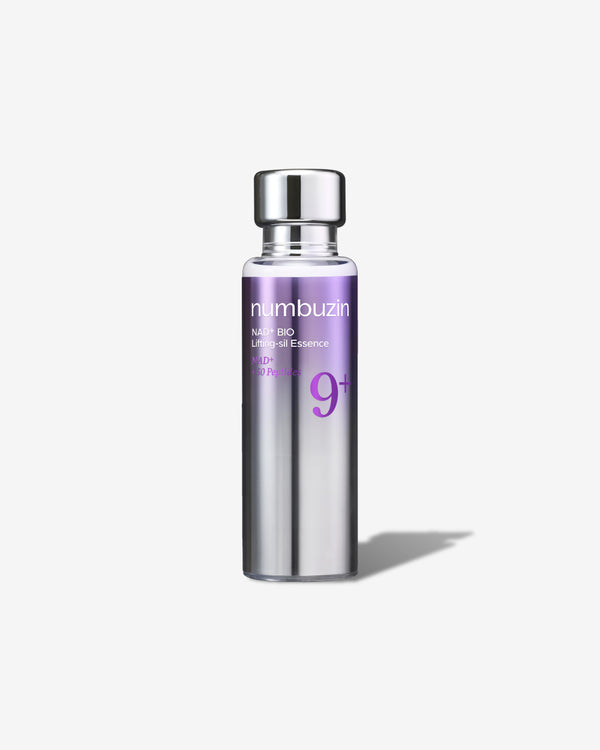
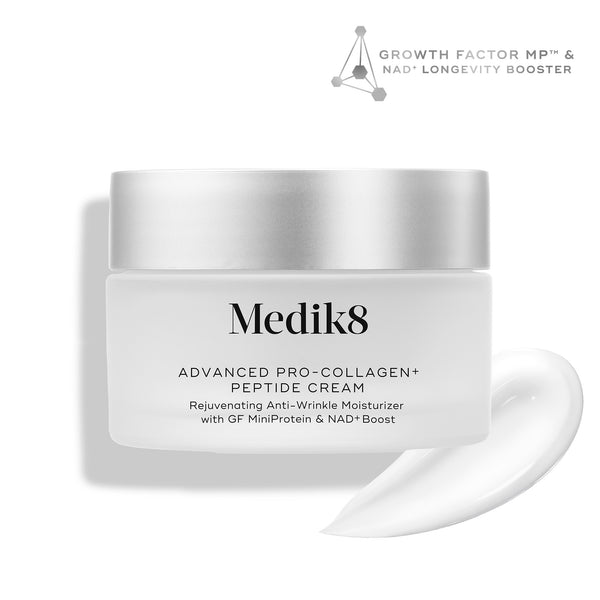
- Mature skin and routine-builders looking for emerging longevity-science ingredients. Used in numbuzin's No.9 line and in Medik8's Pro-Collagen+ Peptide Cream as 'NAD+ Longevity Booster'.
- Evidence
- NAD+ supplementation has been linked to cellular repair and energy metabolism. Topical efficacy on human skin is still emerging research. PubMed: NAD+ in aging biology.
Read full NAD+ guide ->Also seen as: olive-derived squalane, sugarcane-derived squalane (vs. squalene, the unstable precursor)
- What it does
- A lightweight, biocompatible emollient that closely mimics skin's own sebum. Locks in moisture without feeling heavy or pore-clogging.
- Best for
- All skin types. A safe occlusive layer for dry or sensitive skin; non-comedogenic enough for oily skin.
Read full Squalane guide ->Also seen as: caffeine extract, coffee bean extract
- What it does
- A vasoconstrictor that reduces puffiness, depuffs under-eyes, and gives skin a temporary tightening effect. Also antioxidant.
- Best for
- Puffy eyes, neck creams (where it adds visible tightening), and de-puffing morning routines.
Read full Caffeine guide ->Also seen as: PGA, gamma-polyglutamic acid
- What it does
- A peptide-based humectant that holds 4-5x more moisture than hyaluronic acid by weight. Sits on top of skin to form a hydrating film.
- Best for
- Dehydrated skin, layering under richer creams, anyone wanting plumping without the stickiness of pure hyaluronic acid.
Read full Polyglutamic Acid guide ->- What it does
- A nucleoside that signals skin cells to repair and regenerate. Smooths the look of fine lines and supports overall skin tone.
- Best for
- Fine lines, dull skin, and as a gentle wrinkle-targeting active for sensitive or retinol-intolerant skin.
Read full Adenosine guide ->Also seen as: TNS, EGF, IGF, conditioned media, fibroblast lysate
- What it does
- Proteins that signal skin cells to grow, divide, and produce structural components (collagen, elastin, hyaluronic acid).
- Best for
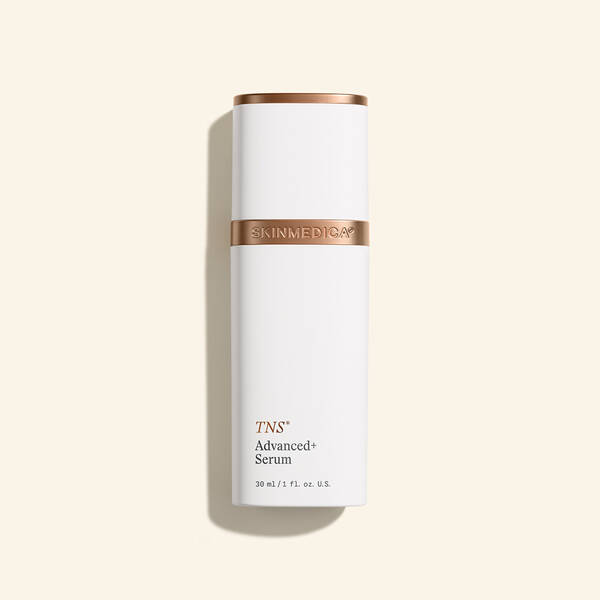
- Mature skin investing in clinical-grade rejuvenation. Headline active in SkinMedica TNS Advanced+ Serum.
Read full Growth Factors guide ->Also seen as: glycerol
- What it does
- The most foundational humectant in skincare. Pulls water into the upper layers of skin and strengthens the skin barrier.
- Best for
- Every skin type. Found in virtually every lifting cream because it makes everything else feel better and work better.
Read full Glycerin guide ->Also seen as: Aloe Barbadensis Leaf Juice, Aloe Barbadensis Leaf Extract
- What it does
- A soothing, anti-inflammatory plant extract that calms reactive skin, reduces redness, and supports barrier recovery.
- Best for
- Sensitive or reactive skin, post-sun exposure, and anyone whose lifting cream contains potentially irritating actives.
Read full Aloe Vera guide ->Also seen as: Camellia Sinensis Leaf Extract, EGCG
- What it does
- A potent antioxidant from green tea leaves. Neutralizes free radicals from UV and pollution, supports collagen, and calms inflammation.
- Best for
- Daytime use (antioxidant defense), aging skin, and anyone in a high-pollution environment.
Read full Green Tea Extract guide ->Also seen as: Idealift, lifting bioactive peptide
- What it does
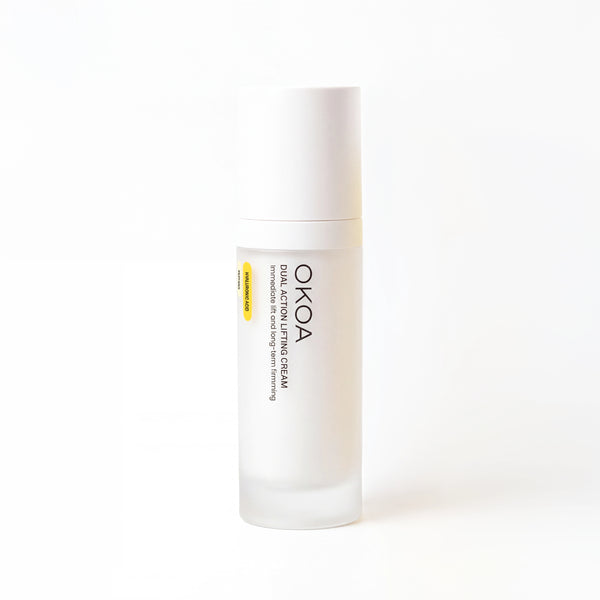
- A bioactive peptide complex positioned to support skin firmness and elastin production. The headline active in OKOA Dual Action Lifting Cream.
- Best for
- Loss of firmness and elasticity in the face and neck. Best for routines targeting visible lift rather than wrinkle depth.
- Evidence
- OKOA Skin reports a third-party consumer study where users saw measurable firmness and elasticity improvement after consistent use. Brand-direct evidence; independent peer-reviewed data on the proprietary blend is limited. OKOA Skin: Dual Action Lifting Cream.
Read full Idealift Peptide guide ->Also seen as: TriHex peptide blend (ALASTIN proprietary)
- What it does
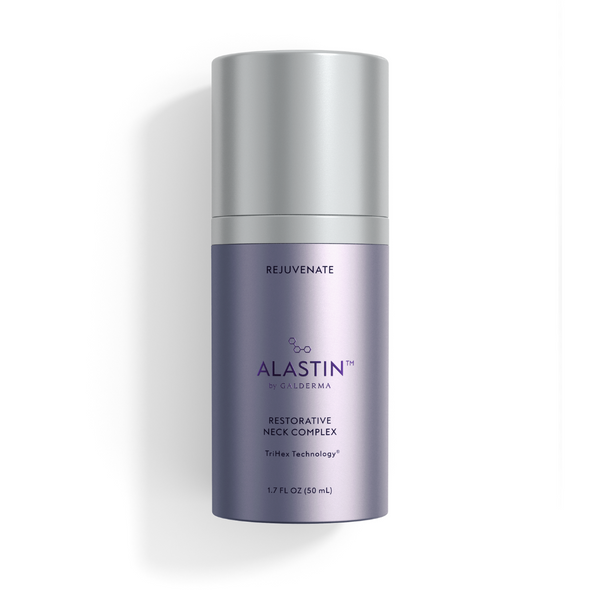
- ALASTIN's branded peptide complex designed to support the skin's natural elastin and collagen production. Used in their dermatologist-dispensed neck, face, and recovery products.
- Best for
- Mature skin, post-procedure recovery, and the neck/decollete area. Most studied in the ALASTIN Restorative Neck Complex.
- Evidence
- ALASTIN reports clinical studies on TriHex Technology showing improvements in skin firmness and elasticity, particularly post-procedure. Manufacturer-sponsored data. ALASTIN Skincare: TriHex Technology.
Read full TriHex Technology guide ->Also seen as: Medik8 GF (growth factor mini-protein)
- What it does
- Medik8's branded peptide complex shaped as a 'mini protein' to mimic growth-factor signaling. The headline active in Medik8 Advanced Pro-Collagen+ Peptide Cream.
- Best for
- Sensitive skin and routine-builders who want growth-factor-like benefits without a true human-derived growth factor formula. Vegan-certified.
- Evidence
- Medik8 reports in-house efficacy testing on the GF MiniProtein for improvement in skin structure and density over multiple weeks of use. Brand-direct evidence; independent peer-reviewed data is limited. Medik8: Advanced Pro-Collagen+ Peptide Cream.
Read full GF MiniProtein guide ->Also seen as: Matribust peptide complex (goPure)
- What it does
- A peptide-led tightening complex used in goPure's Tighten and Lift Neck Cream. Positioned as a quick-acting firming active for the neck area.
- Best for
- Affordable neck-targeted routines. Best paired with consistent twice-daily use over 4 to 8 weeks.
Read full Matribust guide ->Also seen as: Hydroxypropyl Tetrahydropyrantriol (HPT)
- What it does
- A glycoprotein-mimetic active developed by L'Oreal. Supports the skin's extracellular matrix to address visible signs of aging like wrinkles and laxity.
- Best for
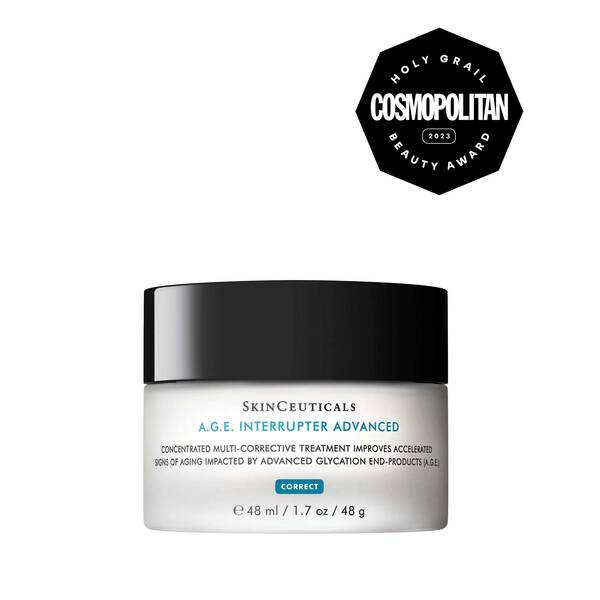
- Mature skin with deep wrinkles and visible laxity. The hero active in SkinCeuticals A.G.E. Interrupter Advanced.
- Evidence
- Proxylane has been shown in laboratory studies to support extracellular matrix proteins relevant to skin firmness. L'Oreal-sponsored research underpins most published data. SkinCeuticals: A.G.E. Interrupter Advanced.
Read full Proxylane guide ->Also seen as: Sulwhasoo JISUN Firming Complex, Korean herbal lifting blend
- What it does
- Sulwhasoo's proprietary blend of five traditional Korean botanical extracts. Positioned to strengthen the skin's moisture barrier and support firmness.
- Best for
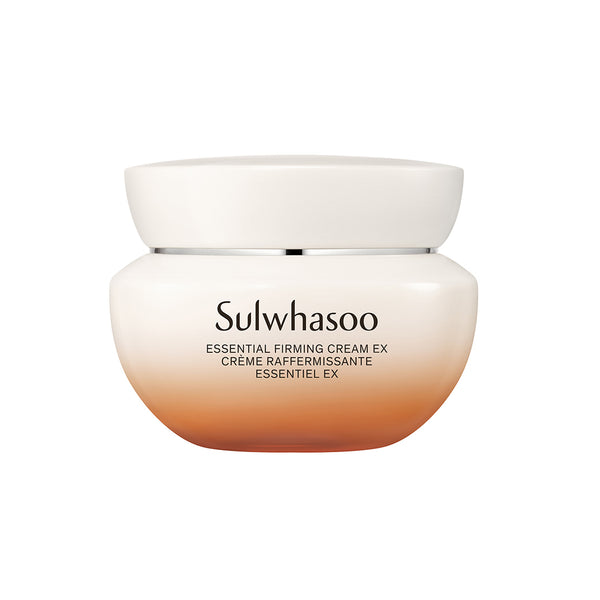
- K-beauty routines, mature skin, and shoppers who value heritage formulation. The headline complex in Sulwhasoo Essential Firming Cream EX.
- Evidence
- Sulwhasoo reports a 4-week consumer study showing measurable elasticity and firmness improvement. Brand-direct data; the specific botanicals in the blend are not fully published. Sulwhasoo: Essential Firming Cream EX.
Read full Korean Herb Extract (JISUN Complex) guide ->Also seen as: colorless carotenoids, PT/PTF
- What it does
- Two colorless carotenoid antioxidants (often derived from tomatoes) that absorb UV radiation and protect skin from photodamage and visible aging.
- Best for
- Daytime antioxidant defense, neck and decollete creams (skin areas with high UV exposure), and anti-pollution routines.
Read full Phytoene and Phytofluene guide ->Also seen as: Linum Usitatissimum Seed Extract
- What it does
- A botanical extract rich in lignans, omega-3 fatty acids, and antioxidants. Supports skin barrier, soothes irritation, and provides anti-inflammatory benefit.
- Best for
- Sensitive or compromised skin, neck creams, and formulations targeting visible firmness via barrier support.
- Evidence
- Topical flax seed extract has been shown to reduce skin sensitivity and improve barrier markers in clinical and laboratory studies. PubMed: flax seed extract and skin.
Read full Flax Seed Extract guide ->Also seen as: Theobroma Grandiflorum Seed Butter
- What it does
- A rich emollient butter from the Brazilian cupuacu fruit. Locks in moisture, supports the skin barrier, and gives creams a luxurious slip.
- Best for
- Dry skin, neck creams (the area needs richer emollients), and winter routines.
- Evidence
- Cupuacu butter has been shown to improve skin hydration and barrier function in cosmetic studies. Healthline: cupuacu butter.
Read full Cupuacu Butter guide ->Also seen as: marine ferment extract, Alteromonas filtrate
- What it does
- A marine-derived ferment extract produced by Alteromonas bacteria. Supports skin hydration, soothing, and barrier function.
- Best for
- Sensitive or compromised skin, urban skin exposed to pollution, and routines focused on calming over correcting.
Read full Alteromonas Ferment Extract guide ->Also seen as: DNA repair enzyme, photolyase-class enzyme
- What it does
- A DNA repair enzyme delivered in a liposomal capsule to support the skin's natural repair of UV-induced damage at the cellular level.
- Best for
- Mature skin, sun-exposed skin, and longevity-focused anti-aging routines.
Read full Encapsulated Endonuclease guide ->Also seen as: Pomegranate, Mirabilis, Cranberry flavonoid blend
- What it does
- A blend of antioxidant flavonoids from wild fruits (pomegranate, mirabilis, cranberry) used in lifting creams for free-radical defense and anti-glycation support.
- Best for
- Anti-aging routines focused on glycation defense, mature skin, and high-UV environments.
Read full Wild Fruit Flavonoids guide ->Also seen as: 18-beta-glycyrrhetinic acid, licorice root derivative
- What it does
- An anti-inflammatory active derived from licorice root. Calms redness, supports barrier recovery, and adds a soothing layer to active-heavy formulas.
- Best for
- Sensitive or reactive skin, redness-prone skin, and lifting creams with stronger actives like retinoids or high-concentration peptides.
Read full Glycyrrhetinic Acid guide ->Also seen as: 4-(2-hydroxyethyl)-1-piperazineethanesulfonic acid, gentle chemical exfoliant buffer
- What it does
- A buffering compound that gently encourages desquamation (the natural shedding of dead skin cells), supporting smoother texture and better absorption of other actives.
- Best for
- Dull skin, uneven texture, and routines where you want light exfoliation without using acids.
Read full HEPES guide ->Also seen as: ethylhexyl glyceryl ether, octoxyglycerin
- What it does
- A glyceryl-derived multitasker: gentle preservative booster, mild humectant, and skin-conditioning agent. Lets formulas use less phenoxyethanol while staying safe from microbial growth.
- Best for
- Sensitive or fragrance-free formulations, lifting creams that want a low-irritation preservative profile, and anyone reactive to traditional parabens.
Read full Ethylhexylglycerin guide ->Also seen as: 2-phenoxyethanol
- What it does
- The most-used preservative in modern leave-on skincare. Prevents bacterial, yeast, and mold growth so a lifting cream stays safe to use for its 12-month shelf life.
- Best for
- Every modern water-based formulation. Allowed up to 1% in finished cosmetics, almost always used at 0.5 to 1%.
Read full Phenoxyethanol guide ->Also seen as: Tocopherol, Tocopheryl Acetate, alpha-tocopherol, mixed tocopherols
- What it does
- A fat-soluble antioxidant that neutralizes free radicals from UV and pollution, supports skin barrier function, and keeps the oils in a formula from going rancid.
- Best for
- Daytime use (antioxidant defense), dry and mature skin, and any routine that already uses vitamin C (the two stabilize each other).
Read full Vitamin E guide ->- What it does
- A soothing, anti-irritant active originally extracted from comfrey root. Calms reactive skin, supports wound healing, and softens rough texture.
- Best for
- Sensitive or reactive skin, formulas with stronger actives (retinoids, AHAs), and any routine where comfort matters as much as performance.
Read full Allantoin guide ->Also seen as: Pro-vitamin B5, dexpanthenol
- What it does
- The skincare form of vitamin B5. Acts as a humectant, supports barrier repair, and reduces redness and stinging on compromised skin.
- Best for
- Dry, sensitive, or post-procedure skin, lifting creams designed to layer with retinoids, and morning routines for stressed-out winter skin.
Read full Panthenol guide ->Also seen as: (1,3)-beta-D-glucan, yeast-derived beta-glucan, oat-derived beta-glucan
- What it does
- A polysaccharide humectant derived from oats or yeast cell walls. Holds water like hyaluronic acid does but adds a layer of soothing and immune-supporting benefits.
- Best for
- Sensitive, post-procedure, or barrier-compromised skin; routines that want extra calming alongside the firming actives.
- Evidence
- Topical beta-glucan has been shown to improve skin hydration, reduce wrinkle depth, and accelerate wound healing in clinical research. PubMed: topical beta-glucan and skin.
Read full Beta-Glucan guide ->Also seen as: trans-resveratrol
- What it does
- A potent polyphenol antioxidant originally identified in red grape skins. Neutralizes free radicals, supports collagen production, and dampens inflammatory pathways linked to skin aging.
- Best for
- Mature skin, longevity-focused routines, and PM use (it sensitizes less than retinol but pairs well with it).
Read full Resveratrol guide ->Also seen as: Haematococcus pluvialis extract
- What it does
- A carotenoid antioxidant from microalgae positioned as one of the most potent free-radical scavengers in skincare. Supports skin elasticity and brightens uneven tone.
- Best for
- Daytime antioxidant defense, mature skin, and high-UV environments. Common in luxury and K-beauty firming lines.
- Evidence
- Topical and oral astaxanthin have been shown to improve skin elasticity, fine line depth, and barrier function in controlled studies. PubMed: astaxanthin and skin.
Read full Astaxanthin guide ->Also seen as: cica, gotu kola, Centella Asiatica Extract, asiaticoside, madecassoside, asiatic acid
- What it does
- A botanical extract from the cica plant, prized for its ability to support wound healing, reduce inflammation, and stimulate collagen production.
- Best for
- Sensitive, reactive, or post-procedure skin; K-beauty layered routines; and anyone who wants firming benefits without irritation.
- Evidence
- Centella's triterpene compounds (asiaticoside, madecassoside) have been shown in clinical research to improve collagen synthesis, wound healing, and barrier function. PubMed: Centella asiatica in dermatology.
Read full Centella Asiatica guide ->Also seen as: L-glutathione, GSH
- What it does
- The body's master antioxidant. Topically supports collagen integrity, brightens uneven pigmentation, and neutralizes free radicals.
- Best for
- Brightening routines, mature skin, and antioxidant-focused PM use.
- Evidence
- Topical glutathione has been shown to improve skin brightness, reduce hyperpigmentation, and support antioxidant defense in clinical studies. PubMed: topical glutathione and skin.
Read full Glutathione guide ->Also seen as: Acetyl Hexapeptide-8, Acetyl Hexapeptide-3, hexapeptide-8
- What it does
- A neurotransmitter-modulating peptide often described as a topical Botox-alternative. Reduces the appearance of expression lines by softening muscle contraction signals.
- Best for
- Forehead lines, crow's feet, and the 11-lines between the brows. Best for fine expression wrinkles, not deep static wrinkles.
Read full Argireline guide ->Also seen as: Copper Tripeptide-1, GHK-Cu, copper gluconate, sh-polypeptide-2
- What it does
- A class of copper-containing carrier peptides best known for stimulating collagen production, supporting wound healing, and remodeling damaged skin.
- Best for
- Mature skin, post-procedure recovery, and anyone targeting visible firmness alongside repair benefits.
Read full Copper Peptides guide ->Also seen as: Butyrospermum Parkii Butter, Butyrospermum Parkii Butter Extract, karite butter
- What it does
- A rich, deeply emollient butter from the West African shea tree. Locks in moisture, supports the skin barrier, and gives creams their signature melt-in feel.
- Best for
- Dry, mature, or barrier-compromised skin; richer night creams; and the neck and decollete areas where extra emollience helps.
Read full Shea Butter guide ->Also seen as: MCT oil, fractionated coconut oil
- What it does
- A light, fast-absorbing emollient derived from coconut. Smooths skin, improves slip, and carries oil-soluble actives without leaving a greasy finish.
- Best for
- Every skin type. Especially useful in formulas balancing rich actives with a non-greasy finish (most modern lifting creams).
Read full Caprylic/Capric Triglyceride guide ->Also seen as: Simmondsia Chinensis Seed Oil, Simmondsia Chinensis (Jojoba) Seed Oil
- What it does
- A liquid wax (chemically not a true oil) that closely resembles human sebum. Balances oily skin without clogging pores and adds slip to dry-skin formulations.
- Best for
- All skin types. Especially good for combination skin and lifting creams designed to layer under makeup.
- Evidence
- Topical jojoba oil has been shown to improve skin barrier function and is well-tolerated by oily and acne-prone skin in clinical studies. PubMed: jojoba oil dermatologic uses.
Read full Jojoba Oil guide ->Also seen as: vitamin C palmitate, ascorbic acid palmitate
- What it does
- A stable, oil-soluble vitamin C derivative. Provides antioxidant and brightening benefits in formulas where pure L-ascorbic acid would be too unstable.
- Best for
- Lifting creams where vitamin C functions as a supporting antioxidant rather than the hero active. Compatible with sensitive and reactive skin.
Read full Ascorbyl Palmitate guide ->Also seen as: snow mushroom extract, Tremella Fuciformis Sporocarp Extract, white jelly fungus extract
- What it does
- A polysaccharide-rich extract from the snow mushroom. Hydrates similarly to hyaluronic acid but with smaller particle size that allows deeper penetration into skin.
- Best for
- Dehydrated mature skin, K-beauty-influenced layered routines, and anyone looking for a HA alternative that absorbs more easily.
Read full Tremella Fuciformis guide ->