Ingredient vs Ingredient

    Retinal vs Retinol

    All comparisons
    Written by Jadranka Cubrilo, Ph.D.Fact checked by Yishika JainReviewed by Dr. Emily Grimshaw, Board-Certified DermatologistUpdated November 11, 2026 · 8 min readAdd as a preferred source on Google
    TakeawaysAI-generated

    Retinal (retinaldehyde) is stronger and works faster than retinol because it converts to retinoic acid, the active form, in one step instead of retinol's two. Retinol is cheaper, more stable, and gentler for beginners. Clinical reviews place retinal between retinol and prescription tretinoin in potency. Start with retinol if you are new to retinoids or have sensitive skin; upgrade to retinal once your skin tolerates retinol without flaking and you want faster results on lines and tone. Both require nighttime use, gradual introduction, and daily sunscreen.

    This summary was generated by AI and reviewed by our editors.

    Jump to the products compared ↓

    What we updated

    1. November 11, 2026

      Edited section headings for clarity.

    Retinal vs Retinol: The Short Answer

    Retinal is stronger and faster than retinol, and retinol is cheaper, more stable, and gentler for beginners. Both are retinoids that must convert to retinoic acid, the active form, before they work. Retinal converts in one step; retinol takes two. Fewer conversions mean more active survives to work in the skin.

    Clinical evidence reviews place retinaldehyde between retinol and prescription retinoic acid in potency, with efficacy on photoaging and good tolerability.

    • Choose retinol if you are new to retinoids, have sensitive skin, or want the most affordable entry point.
    • Choose retinal if your skin already tolerates retinol well and you want faster results without a prescription.
    • Choose neither over tretinoin if you have prescription access; tretinoin remains the strongest, best-studied retinoid.

    How the conversion chain works

    Every over-the-counter retinoid is a prodrug: skin enzymes convert it to retinoic acid before it can bind retinoid receptors and increase collagen production. The chain runs retinol to retinaldehyde to retinoic acid.

    Retinol takes both steps, losing potency at each. Retinal takes one. That one-step difference is the entire retinal-vs-retinol story: more delivered strength at a similar irritation profile, and a higher price because retinal is harder to stabilize in a formula.

    What Retinol Does Better

    Retinol wins on price, stability, and choice. It is the most-studied over-the-counter retinoid, it appears in everything from $10 serums to premium creams, and decades of formulation work have made modern retinol products gentle and reliable.

    For a beginner, that maturity matters more than raw strength. A well-formulated retinol at 0.15% to 0.3%, used two or three nights a week and built up slowly, delivers real results on the look of lines and tone. The RoC Retinol Correxion Deep Wrinkle Night Cream and Dr. Althea Pure Retinol 0.15% Cream are both entry-friendly examples, with more beginner retinol picks in our ranking.

    What Retinal Does Better

    Retinal wins on speed and delivered strength. Because it sits one step from retinoic acid, studies show it produces retinoid results faster than retinol at comparable tolerability, which makes it the natural upgrade once retinol stops feeling like progress.

    The trade-offs are cost and stability. Retinaldehyde is more expensive to formulate and degrades faster, so good retinal products cost more and come in airless, opaque packaging.

    How to Choose and How to Switch

    Match the retinoid to your experience level, not to marketing.

    • New to retinoids: start with retinol, two or three nights a week, and increase slowly.
    • Comfortable with retinol: switch to retinal at a modest strength (0.05% to 0.1%) and reintroduce gradually; stronger conversion means your skin re-adjusts.
    • Very sensitive skin: consider bakuchiol first, which delivers retinol-comparable results on lines and pigmentation with less irritation.

    Whichever you choose, the rules are identical: nighttime use, moisturizer alongside, and daily sunscreen, because every retinoid increases sun sensitivity.
    The products compared

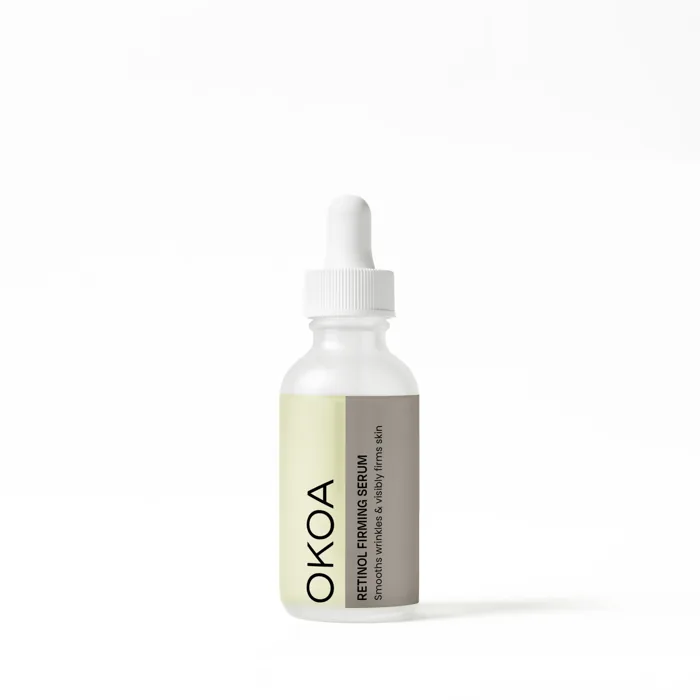
    Retinol picks

    Prices are MSRP snapshots; confirm on the brand page before buying. These products are researched, not BLC lab-tested, so they are not scored on our 7-criteria system.

    Frequently asked questions

    Is retinal stronger than retinol?

    Yes. Retinal converts to retinoic acid, the active form, in one step instead of retinol's two, so more active survives to work in the skin. Clinical reviews place retinal between retinol and prescription tretinoin in potency.

    Is retinal worth the extra money?

    Retinal is worth it once your skin tolerates retinol well and you want faster results. If you are new to retinoids, a good retinol delivers real results at a lower price and is the smarter starting point.

    Can I switch from retinol to retinal directly?

    Yes, but reintroduce gradually. Start retinal at a modest strength two or three nights a week, as its stronger conversion means your skin needs to re-adjust even if retinol never irritated you.

    Does retinal have the same side effects as retinol?

    Retinal has a similar irritation profile to retinol, with possible dryness and flaking during adjustment, and the same increased sun sensitivity. Introduce it slowly and use sunscreen every morning.
    Jadranka Cubrilo, Ph.D., Cosmetic Chemistry Reviewer at BestLiftingCream.com

    Written by

    Jadranka Cubrilo, Ph.D.

    Cosmetic Chemistry Reviewer

    Dr. Jadranka Cubrilo holds a Ph.D. in chemistry and has spent her career inside the skincare formulation industry.

    Read full bio
    Yishika Jain, Content Reviewer and Long-Cycle Tester at BestLiftingCream.com

    Fact checked by

    Yishika Jain

    Content Reviewer and Long-Cycle Tester

    Yishika Jain is a certified makeup artist and beauty content creator whose reviewing career spans hundreds of skincare and color products.

    Read full bio
    Dr. Emily Grimshaw, Board-Certified Dermatologist and Medical Reviewer at BestLiftingCream.com

    Reviewed by

    Dr. Emily Grimshaw

    Board-Certified Dermatologist and Medical Reviewer

    Dr. Emily Grimshaw is a board-certified dermatologist at Dallas Associated Dermatologists, where she has practiced medical and cosmetic dermatology since 2018.

    Read full bio
    • Board-certified dermatologist, American Board of Dermatology
    • MD, University of Texas Medical School at Houston
    • Dermatology residency, University of Texas Medical Branch, Galveston (Chief Resident)
    • Fellow of the American Academy of Dermatology (FAAD)
    • Alpha Omega Alpha medical honor society