Ingredient vs Ingredient

    Niacinamide vs Vitamin C

    All comparisons
    Written by Jadranka Cubrilo, Ph.D.Fact checked by KM MehazbeenReviewed by Dr. Emily Grimshaw, Board-Certified DermatologistUpdated November 11, 2026 · 8 min readAdd as a preferred source on Google
    TakeawaysAI-generated

    Niacinamide and vitamin C solve different problems and can be used together. Vitamin C is the stronger antioxidant and brightener, best for dullness, dark spots, and environmental defense, and it belongs in the morning under sunscreen. Niacinamide is the barrier-and-balance active, best for oil control, redness, enlarged-looking pores, and general tone support, and it works morning or night. The old claim that they cancel each other out is outdated; modern formulas combine them. Choose vitamin C first for brightening, niacinamide first for balance, or run vitamin C in the morning and niacinamide at night.

    This summary was generated by AI and reviewed by our editors.

    Jump to the products compared ↓

    What we updated

    1. November 11, 2026

      Edited section headings for clarity.

    Niacinamide vs Vitamin C: The Short Answer

    Vitamin C is the stronger brightener; niacinamide is the better balancer. Vitamin C is a potent antioxidant that brightens dullness, fades the look of dark spots, and defends against environmental damage. Niacinamide supports the barrier, balances oil, and calms the look of redness and uneven tone.

    They are not rivals, and the old claim that they cancel each other out is outdated. Modern formulas combine them, and routines can run both.

    • Choose vitamin C first if your priority is dullness, dark spots, or antioxidant defense.
    • Choose niacinamide first if your priority is oil, redness, enlarged-looking pores, or a stressed barrier.
    • Use both with vitamin C in the morning under sunscreen and niacinamide at night, or a combined formula.

    What vitamin C does best

    Vitamin C is the reference antioxidant in skincare.

    Reviews of topical vitamin C document its antioxidant, brightening, and collagen-supporting mechanisms and its role in defending skin against UV-driven damage.

    Its best use is the morning: applied under sunscreen, vitamin C neutralizes the free radicals that daily UV and pollution generate, while brightening the look of tone over weeks. Pair it with ferulic acid and vitamin E, the classic trio that stabilizes vitamin C and roughly doubles its photoprotection.

    The trade-offs: strong L-ascorbic acid formulas can sting sensitive skin, and vitamin C degrades if poorly packaged.

    What Niacinamide Does Best

    Niacinamide is vitamin B3, and it is the utility player.

    A clinical review of niacinamide documents its barrier-supporting, oil-balancing, and tone-evening effects across concentrations commonly used in skincare.

    It suits almost everyone: oily and blemish-prone skin gets balance, reactive skin gets barrier support, and uneven tone gets gradual evening. It is cheap, stable, and nearly impossible to formulate badly, which is why it appears everywhere from $6 serums up.

    The trade-off is drama: niacinamide is a consistency ingredient, not a transformation. Very high percentages can flush sensitive skin, and more is not better.

    Can you use niacinamide and vitamin C together?

    Yes. The interaction warning traces to decades-old research on unstable forms at high heat, not modern formulas. Today they are combined in single products and layered in routines without issue.

    The cleanest split: vitamin C serum in the morning under sunscreen, niacinamide serum or moisturizer at night. If you layer them in one routine, apply the thinner serum first and give it a minute to absorb.

    How to Choose

    Match the active to the problem in the mirror. Dull, spotted, sun-exposed skin points to vitamin C. Oily, red, reactive, or pore-obsessed skin points to niacinamide. If you cannot pick one problem, start with niacinamide for the barrier base, then add vitamin C for brightening once your routine feels stable.

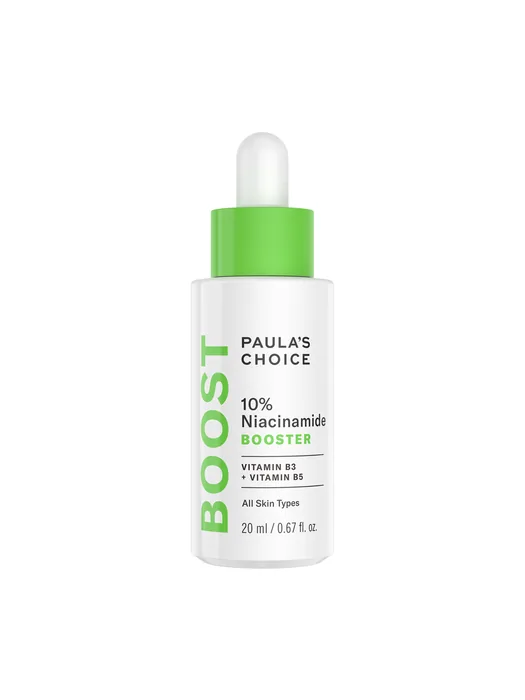
    The products compared

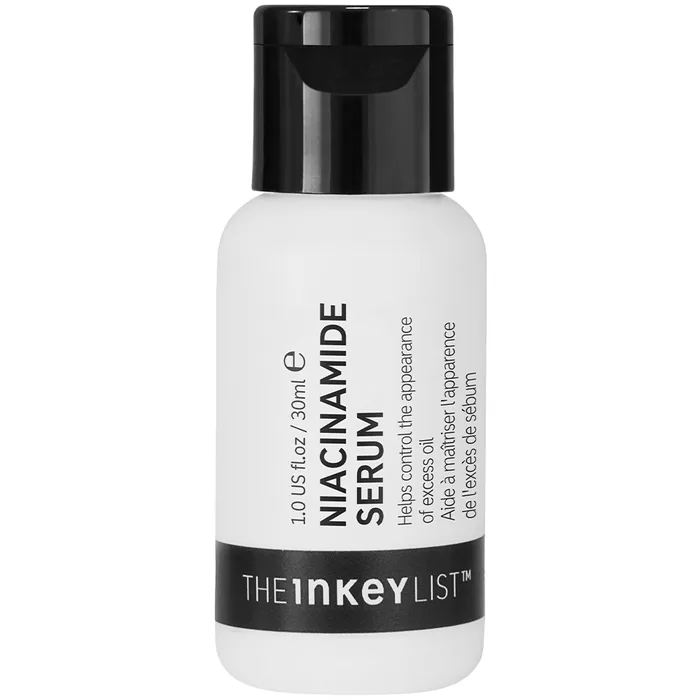
    Niacinamide

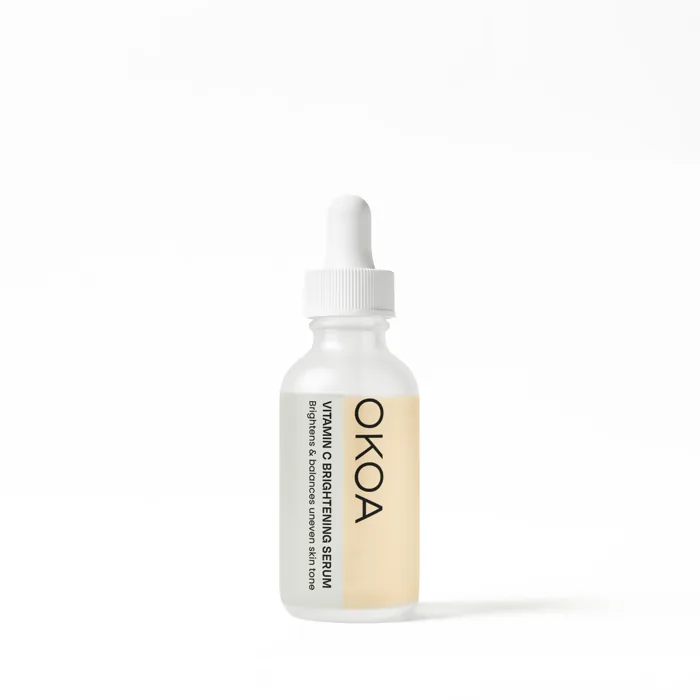
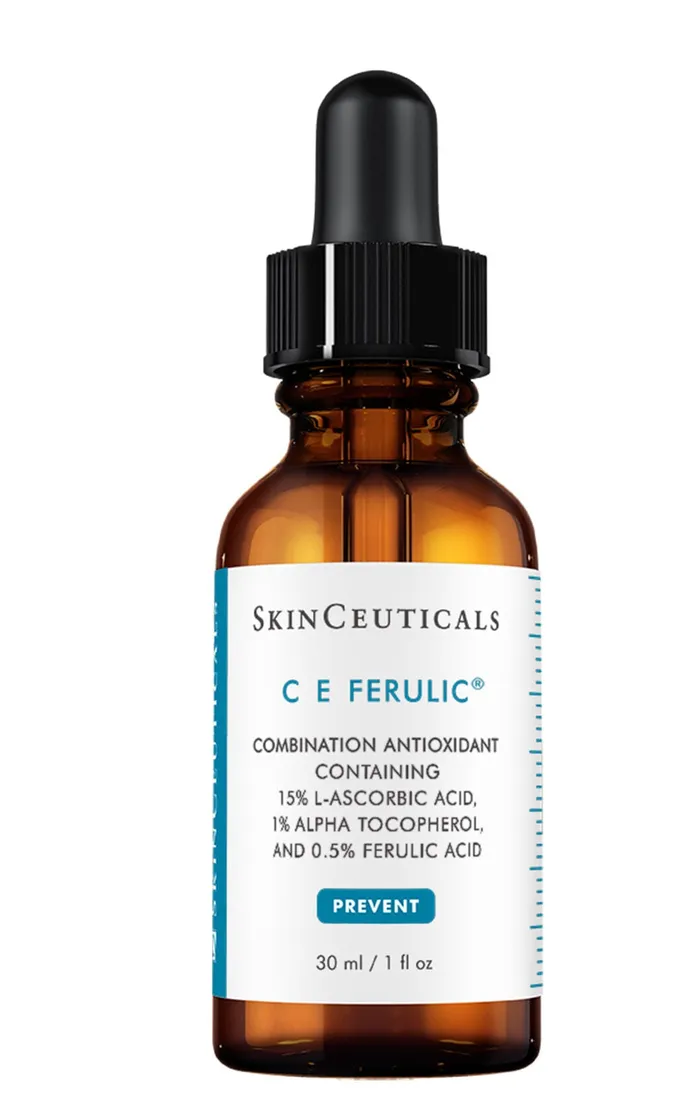
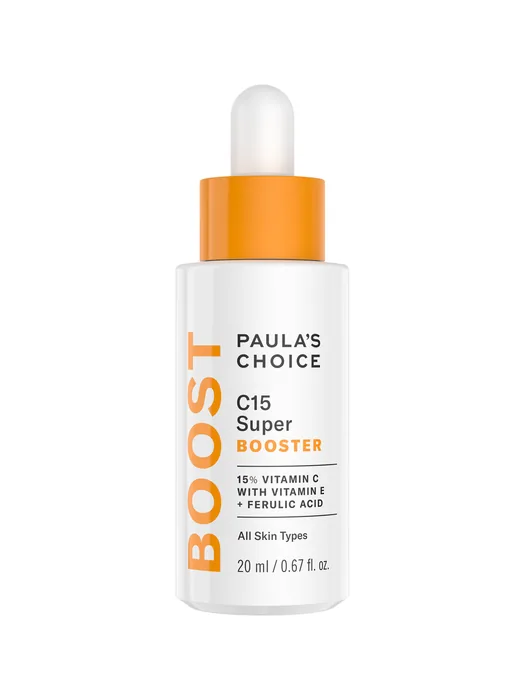
    Vitamin C

    Prices are MSRP snapshots; confirm on the brand page before buying. These products are researched, not BLC lab-tested, so they are not scored on our 7-criteria system.

    Frequently asked questions

    Which is better, niacinamide or vitamin C?

    Neither is universally better. Vitamin C is the stronger antioxidant and brightener for dullness and dark spots, while niacinamide is better for oil balance, redness, and barrier support. Choose by your main concern, or use both.

    Can I use niacinamide and vitamin C together?

    Yes. The claim that they cancel each other out is outdated, based on old research with unstable forms. Modern formulas combine them, and layering them or splitting them between morning and night works well.

    Should vitamin C be used in the morning or night?

    Morning is vitamin C's best slot, applied under sunscreen, because its antioxidant protection works against the UV and pollution stress your skin faces during the day.

    Which fades dark spots faster?

    Vitamin C is the stronger direct brightener for the look of dark spots. Niacinamide evens tone more gradually. For stubborn spots, dedicated actives like alpha arbutin or tranexamic acid work alongside either.
    Jadranka Cubrilo, Ph.D., Cosmetic Chemistry Reviewer at BestLiftingCream.com

    Written by

    Jadranka Cubrilo, Ph.D.

    Cosmetic Chemistry Reviewer

    Dr. Jadranka Cubrilo holds a Ph.D. in chemistry and has spent her career inside the skincare formulation industry.

    Read full bio
    KM Mehazbeen, Lead Beauty Advisor and Hands-On Tester at BestLiftingCream.com

    Fact checked by

    KM Mehazbeen

    Lead Beauty Advisor and Hands-On Tester

    KM Mehazbeen brings over a decade of luxury-counter beauty experience to the BLC editorial team.

    Read full bio
    Dr. Emily Grimshaw, Board-Certified Dermatologist and Medical Reviewer at BestLiftingCream.com

    Reviewed by

    Dr. Emily Grimshaw

    Board-Certified Dermatologist and Medical Reviewer

    Dr. Emily Grimshaw is a board-certified dermatologist at Dallas Associated Dermatologists, where she has practiced medical and cosmetic dermatology since 2018.

    Read full bio
    • Board-certified dermatologist, American Board of Dermatology
    • MD, University of Texas Medical School at Houston
    • Dermatology residency, University of Texas Medical Branch, Galveston (Chief Resident)
    • Fellow of the American Academy of Dermatology (FAAD)
    • Alpha Omega Alpha medical honor society