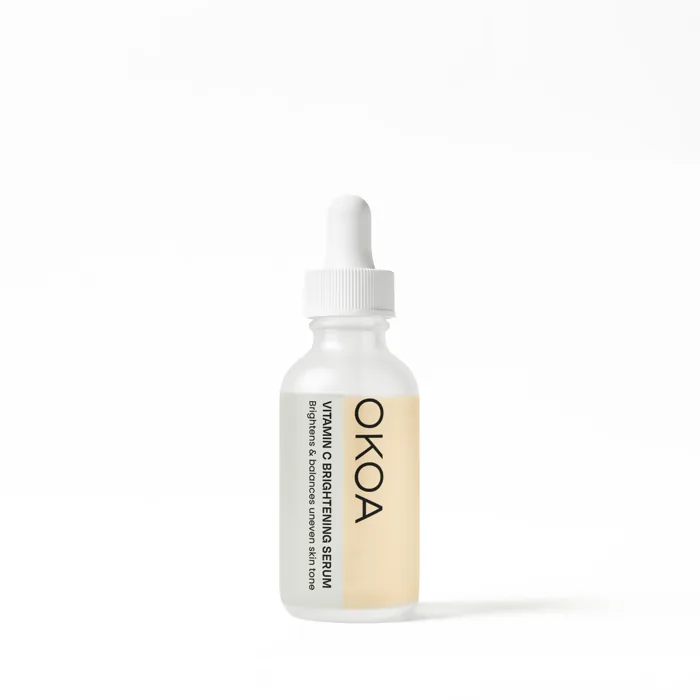
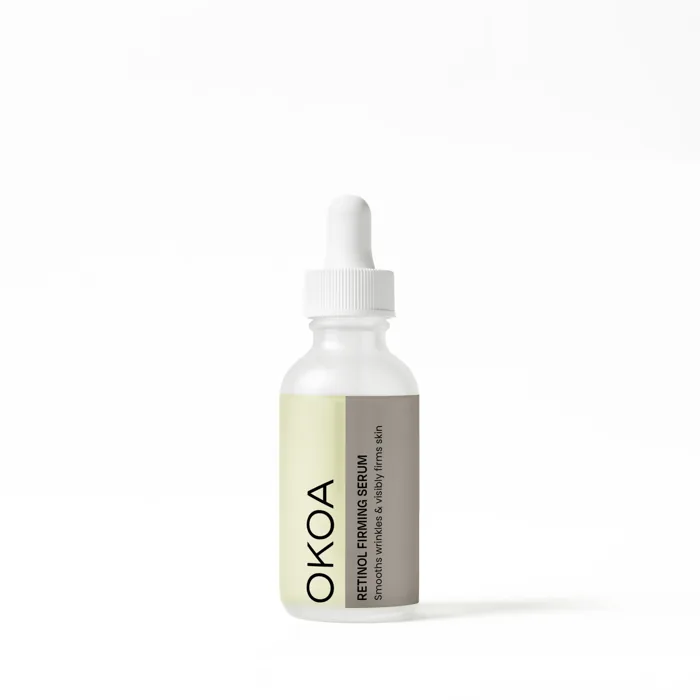
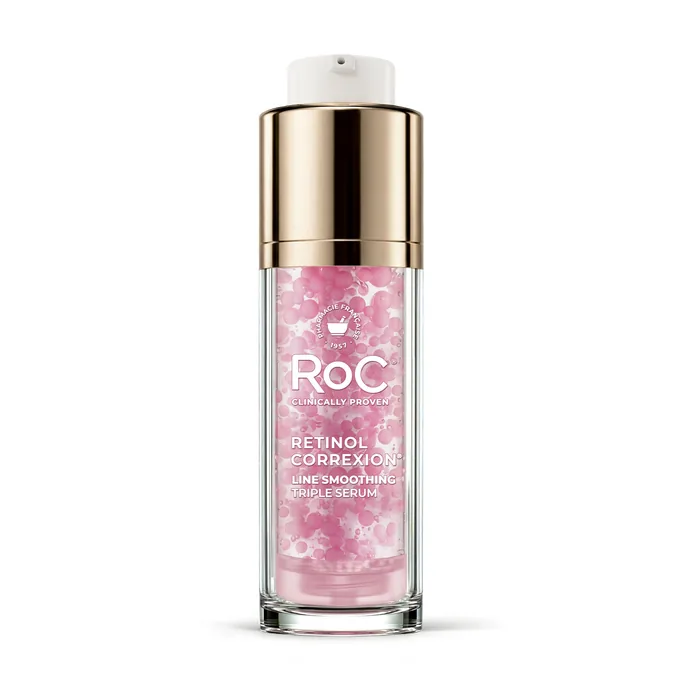
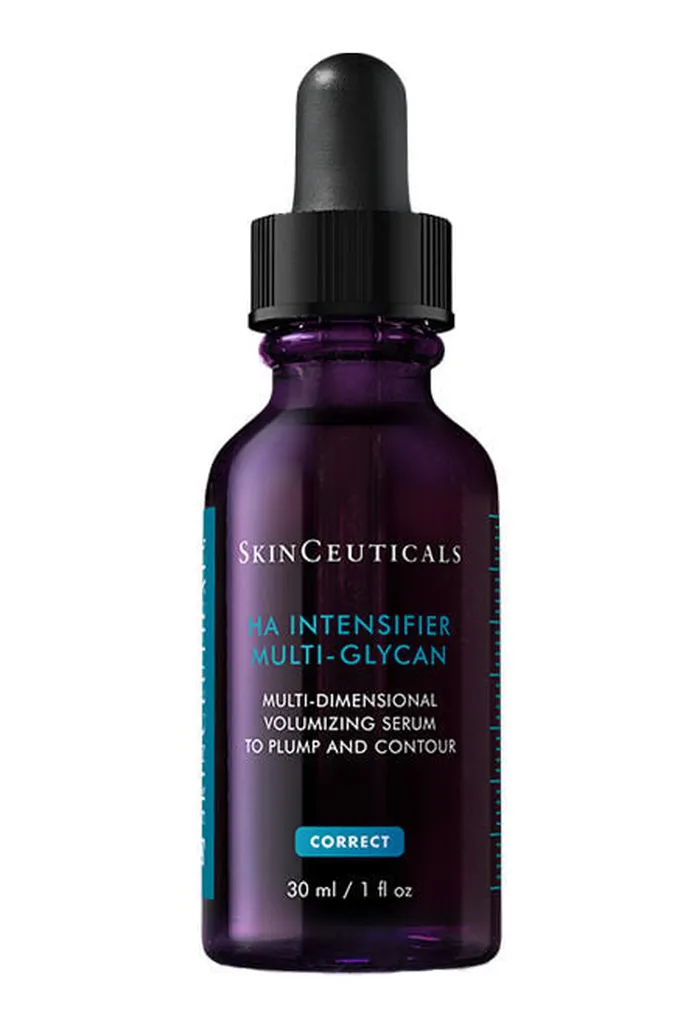
Serum vs cream: the short answer
Pick a serum if you want to change one thing, such as lines, dark spots or shine. Pick a cream if your skin is dry, mature or sensitive and needs its barrier protected. Most routines use both, serum first.
A serum is a light formula built around one or two active ingredients; a cream is a richer formula built to hold water in and protect your skin barrier. This is a label-and-data comparison, not a hands-on test: we pulled the price per ml of every face serum and face cream we have reviewed, compared the medians, and read the ingredient lists to see which actives each format leads with.
Choose this if
- Choose a serum if you have one clear target: retinol for lines, vitamin C for dullness or niacinamide for uneven tone.
- Choose a cream if your skin feels tight or flaky, or you use retinoids or acids that dry it out.
- Choose both for mature skin: a retinoid or peptide serum for lines, then a rich cream on top.
- Choose a light gel or a hydrating serum alone if your skin is oily, especially in humid weather.
What a serum does
A serum's job is delivery. Most serums sit on a light water or gel base, though some retinol and vitamin C serums are oil- or silicone-based, so they spread thin, absorb fast and are built around one or two actives. An active is an ingredient included to change something you can see, like retinol for lines, vitamin C for dullness, niacinamide for uneven tone and the look of pores, or peptides for firmness.
Across the 69 face serums reviewed on BestLiftingCream.com, retinol is the most common lead ingredient. That fits the format: a serum is the natural home for one targeted active.
What a face cream does
A cream's job is protection. It blends three kinds of ingredients: humectants such as glycerin and hyaluronic acid, which draw in water and hold it in the skin's outer layer; emollients, which smooth and soften; and occlusives, which form a thin seal so that water stays in. Together they support the skin barrier, the outer layer that keeps moisture in and irritants out.
Many creams carry actives as well. A retinol night cream or a peptide moisturizer does both jobs in one step, which is why the line between the two categories is blurrier than the shelf suggests.
Serum vs cream at a glance
| Serum | Cream | |
|---|---|---|
| Texture | Watery or gel, absorbs quickly | Richer, stays on the surface longer |
| Main job | Deliver one or two actives | Hold water in, support the barrier |
| Typical ingredients | Retinol, vitamin C, niacinamide, peptides | Glycerin, ceramides, shea butter, squalane |
| Place in the routine | After cleansing, before cream | After serum, before sunscreen |
| Median price per ml on BestLiftingCream.com | $1.19 per ml (60 serums) | $0.83 per ml (56 creams) |
| Who can skip it | Anyone without a specific target | Some oily skin types, with a light gel instead |
Across the face serums and face creams reviewed on BestLiftingCream.com, a serum costs a median $1.19 per ml against $0.83 for a face cream, about 43% more. A serum goes on a few drops at a time, so compare cost per month of use, not just cost per ml.
Do serums work better than creams?
No, a serum does not work better than a cream by format alone. A cream can do the same work when it carries the same active at a useful strength in a stable formula. The base still changes how much active gets into the skin, but not always in the serum's favor: in a US FDA lab study on human skin (Yourick and colleagues, Toxicology and Applied Pharmacology, 2008), more retinol passed through from a cream-style emulsion than from a gel at the same 0.3% strength.
Retinol shows the point again. In a 2007 randomized, double-blind trial in Archives of Dermatology, Kafi and colleagues applied a 0.4% retinol lotion up to three times a week to one arm of 36 adults with a mean age of 87, and the plain lotion to the other. After 24 weeks the retinol arm had clearly fewer fine wrinkles. The trial did not need a serum: retinol in a simple lotion base was enough to make a visible difference.
So read the ingredient list, not the category. An active near the top of a cream outranks the same active near the bottom of a serum. Our best retinol creams list shows how many strong formulas come in cream form.
Do you need both a serum and a cream?
Not always. Use this rule: dry, mature or sensitive skin needs the cream every day, and a serum earns its place only when you have a specific target, such as lines, dark spots or breakouts.
If one brand sells a serum and a moisturizer from the same line, check whether they share the same lead active. If they do, one of them is usually enough. If the serum carries an active the cream lacks, using both makes sense.
Oily skin is the exception on the other side: a light gel moisturizer often replaces a heavy cream, and some people with very oily skin get by on a hydrating serum alone in summer.
Which goes first, serum or cream?
Serum first, then cream: thinnest to thickest. The serum goes onto clean skin where nothing stands between it and the surface, and the cream follows to hold everything in. In the morning, sunscreen goes on last.
There are two exceptions. A prescription treatment goes wherever your dermatologist says. And if retinol stings, some people put a thin layer of moisturizer on first to buffer it, trading a little strength for comfort. Eye products follow the same thinnest-first logic, which we cover in when to apply eye cream.
Can you use a serum without a moisturizer?
Yes, on oily skin a hydrating serum with hyaluronic acid or glycerin can replace a moisturizer, especially in humid weather.
With retinoids or exfoliating acids, keep the cream. Both can dry the skin, and a cream on top helps keep that dryness from turning into flaking and irritation.
Choosing by skin type and goal
Dry skin needs a cream with ceramides or shea butter as the essential step, plus a serum only for a specific target. Our best moisturizers for mature skin are a good place to start.
Oily skin does well with a light gel moisturizer plus a niacinamide serum, which helps with shine, the look of pores and hydration without heaviness. Niacinamide pairs fine with vitamin C too, as our niacinamide vs vitamin C guide explains.
Sensitive skin does best with fewer products and fewer chances to react: one fragrance-free cream, and a serum only after you've patch tested it.
Mature skin benefits from both: a retinoid or peptide serum for lines, and a rich cream to cushion skin that gets thinner and drier with age.
For firming, the difference between lifting and firming products matters more than serum vs cream, which we unpack in lifting vs firming cream.
For a glow-focused routine, see our picks for the best serums for glowing skin.