Ingredient vs Ingredient

    Snail Mucin vs Hyaluronic Acid

    All comparisons
    Written by Yishika JainFact checked by Jadranka Cubrilo, Ph.D.Reviewed by Dr. Emily Grimshaw, Board-Certified DermatologistUpdated November 11, 2026 · 7 min readAdd as a preferred source on Google
    TakeawaysAI-generated

    Hyaluronic acid is the pure, vegan-friendly humectant: it draws water into skin for instant plumping and suits every skin type. Snail mucin hydrates too, but adds a soothing, repair-supportive dimension, since it naturally contains glycoproteins, hyaluronic acid, and zinc, which makes it the pick for stressed, post-active, or textured skin. Choose hyaluronic acid for simple dehydration, snail mucin for hydration plus recovery, and note snail mucin is animal-derived, so it is not vegan. The two layer together without issue.

    This summary was generated by AI and reviewed by our editors.

    Jump to the products compared ↓

    What we updated

    1. November 11, 2026

      Reworded skin-condition mentions to describe the skin itself, such as dry, sensitive or breakout-prone skin.

    Snail Mucin vs Hyaluronic Acid: The Short Answer

    Hyaluronic acid is the purer hydrator; snail mucin is hydration plus recovery. If your only problem is dehydrated, tight, dull skin, hyaluronic acid does that one job cleanly. If your skin is also stressed, textured, or recovering from actives, snail mucin brings a soothing, repair-supportive dimension that plain hydration lacks.

    A clinical evaluation of a snail-secretion-based regimen found improved hydration and skin quality with good tolerability.

    • Choose hyaluronic acid for simple dehydration, layering flexibility, and a vegan option.
    • Choose snail mucin for hydration plus soothing on stressed or post-active skin.
    • Use both freely; they layer without conflict.

    What Hyaluronic Acid Does

    Hyaluronic acid is a humectant that binds many times its weight in water, plumping the look of dehydrated skin quickly. It is in essentially every hydrating formula for a reason: it works, it suits every skin type including oily and breakout-prone, and it layers under anything.

    Its limit is scope. It hydrates, and that is the whole job. It does not calm, repair, or treat, which is where niacinamide often comes in.

    What Snail Mucin Does

    Snail mucin (snail secretion filtrate) is K-beauty's recovery hydrator. It naturally contains glycoproteins, its own hyaluronic acid, glycolic acid, and zinc, a mix that hydrates while supporting the look of smoother, calmer, repaired skin. That is why it earned its cult status for post-breakout texture and stressed barriers rather than plain thirst.

    The caveats: it is animal-derived, so it is not vegan, and its texture, a slippery, stretchy gel, is a dealbreaker for some people.

    How to Choose

    Ask what your skin is actually short on. Just water: hyaluronic acid, cheaper and simpler. Water plus comfort and recovery: snail mucin earns its place. Vegan routine: hyaluronic acid, full stop, with beta-glucan as the soothing add-on. And if you cannot decide, they layer together: hyaluronic acid first on damp skin, snail mucin over it, moisturizer to seal.
    The products compared

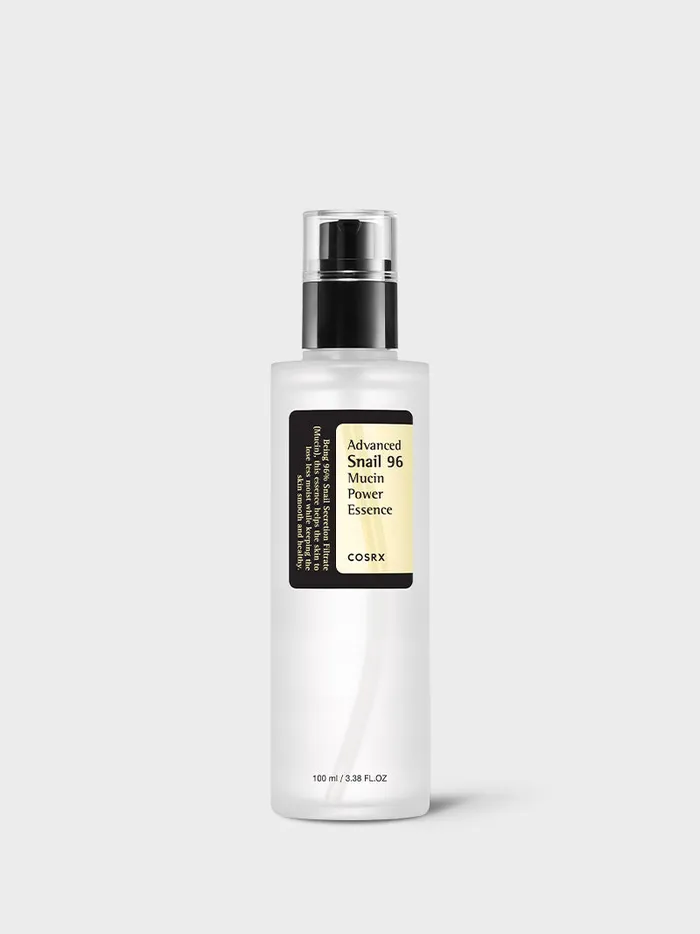
    Snail mucin

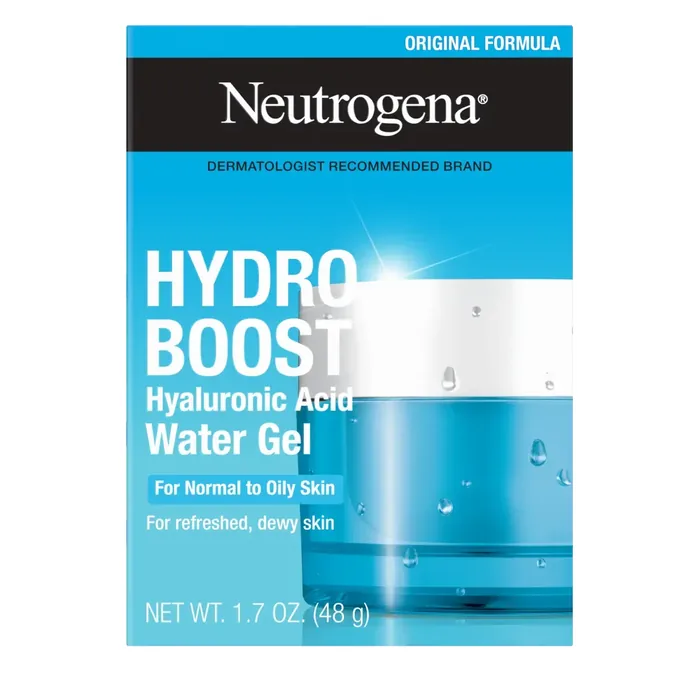
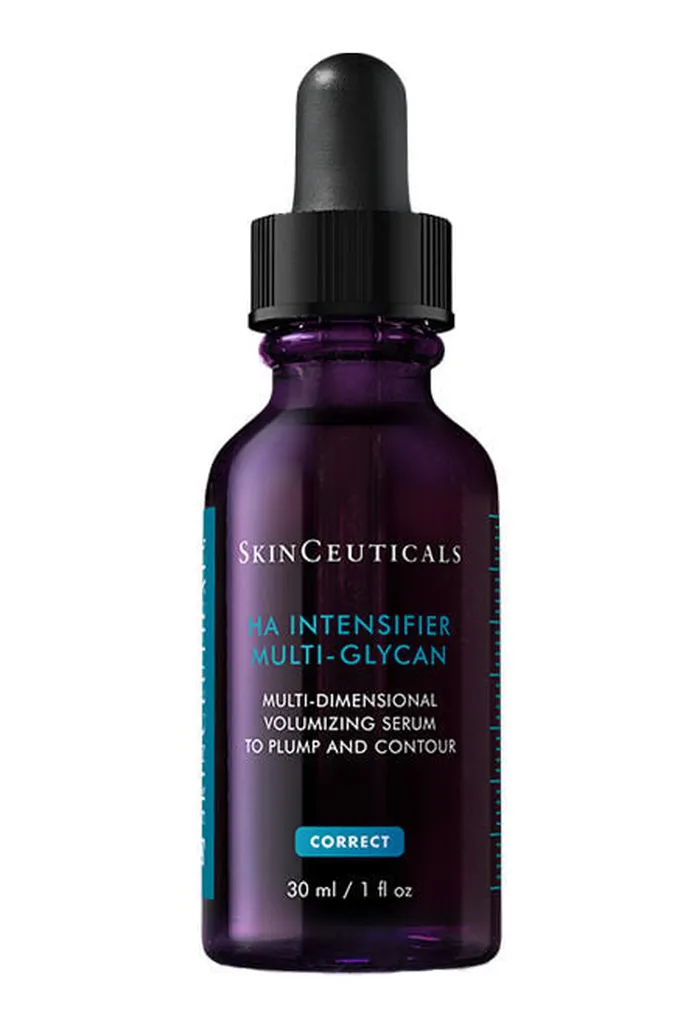
    Hyaluronic acid

    Prices are MSRP snapshots; confirm on the brand page before buying. These products are researched, not BLC lab-tested, so they are not scored on our 7-criteria system.

    Frequently asked questions

    Is snail mucin better than hyaluronic acid?

    Snail mucin does more jobs: it hydrates while soothing and supporting the look of repair, thanks to its natural glycoproteins, hyaluronic acid, and zinc. Pure hyaluronic acid hydrates more simply and is vegan. Better depends on whether you need recovery or just water.

    Can I use snail mucin and hyaluronic acid together?

    Yes. They layer without conflict: apply hyaluronic acid on damp skin first, snail mucin over it, then moisturizer to seal both in.

    Is snail mucin vegan?

    No. Snail mucin is snail secretion filtrate, an animal-derived ingredient. Hyaluronic acid used in skincare is typically produced by fermentation and is the vegan-friendly choice.

    Which is better for oily skin?

    Both are lightweight and oily-skin friendly. Hyaluronic acid is the safer minimal pick; snail mucin adds soothing for oily skin that is also stressed or marked from breakouts.
    Yishika Jain, Content Reviewer and Long-Cycle Tester at BestLiftingCream.com

    Written by

    Yishika Jain

    Content Reviewer and Long-Cycle Tester

    Yishika Jain is a certified makeup artist and beauty content creator whose reviewing career spans hundreds of skincare and color products.

    Read full bio
    Jadranka Cubrilo, Ph.D., Cosmetic Chemistry Reviewer at BestLiftingCream.com

    Fact checked by

    Jadranka Cubrilo, Ph.D.

    Cosmetic Chemistry Reviewer

    Dr. Jadranka Cubrilo holds a Ph.D. in chemistry and has spent her career inside the skincare formulation industry.

    Read full bio
    Dr. Emily Grimshaw, Board-Certified Dermatologist and Medical Reviewer at BestLiftingCream.com

    Reviewed by

    Dr. Emily Grimshaw

    Board-Certified Dermatologist and Medical Reviewer

    Dr. Emily Grimshaw is a board-certified dermatologist at Dallas Associated Dermatologists, where she has practiced medical and cosmetic dermatology since 2018.

    Read full bio
    • Board-certified dermatologist, American Board of Dermatology
    • MD, University of Texas Medical School at Houston
    • Dermatology residency, University of Texas Medical Branch, Galveston (Chief Resident)
    • Fellow of the American Academy of Dermatology (FAAD)
    • Alpha Omega Alpha medical honor society