Skincare Guides

    Best Hyaluronic Acid Serums of 2026

    All guides
    Written by Yishika JainFact checked by Jadranka Cubrilo, Ph.D.Medically reviewed by Emily Grimshaw, MD, Board-Certified DermatologistUpdated Nov 12, 2026 · 8 min readAdd as a preferred source on Google
    TakeawaysAI-generated

    The best hyaluronic acid serums of 2026 are Good Molecules Hyaluronic Acid Serum ($6) as the budget benchmark, The Ordinary Hyaluronic Acid 2% + B5 ($9.90) for its added ceramides and panthenol, The Inkey List Hyaluronic Acid Serum ($13) for its 2% multi-molecular formula, and Neutrogena Hydro Boost Hyaluronic Acid Serum ($21.99) as the drugstore classic. Hyaluronic acid is a humectant that binds many times its weight in water, plumping dehydrated skin fast. Multiple molecular weights hydrate at different depths, and applying to damp skin then sealing with moisturizer is the technique that makes any HA serum work.

    This summary was generated by AI and reviewed by our editors. The full article below is written and fact-checked by the BLC team.

    What we updated

    1. November 12, 2026

      Added an FAQ answer to "What is the best hyaluronic acid serum"?

    The picks at a glance

    Read the full reviews ↓
    ProductBest forPriceKey actives
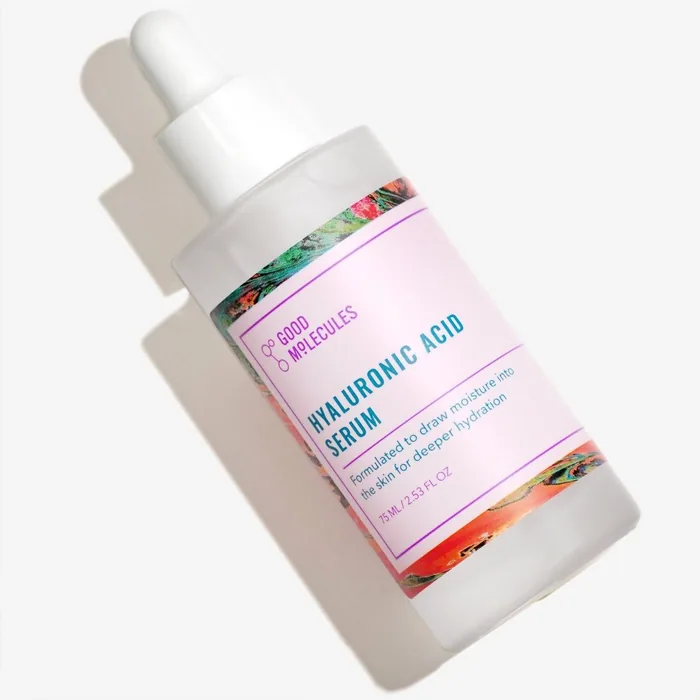
    Good Molecules Hyaluronic Acid SerumBest budget benchmark$6.0030 mLHyaluronic acid, water-light base
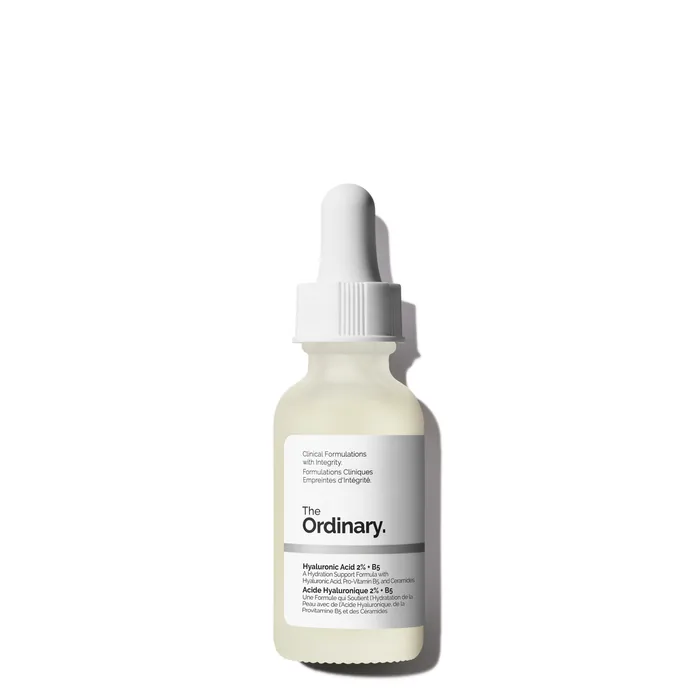
    The Ordinary Hyaluronic Acid 2% + B5Best with barrier support$9.9030 mLMulti-weight HA, ceramides, panthenol
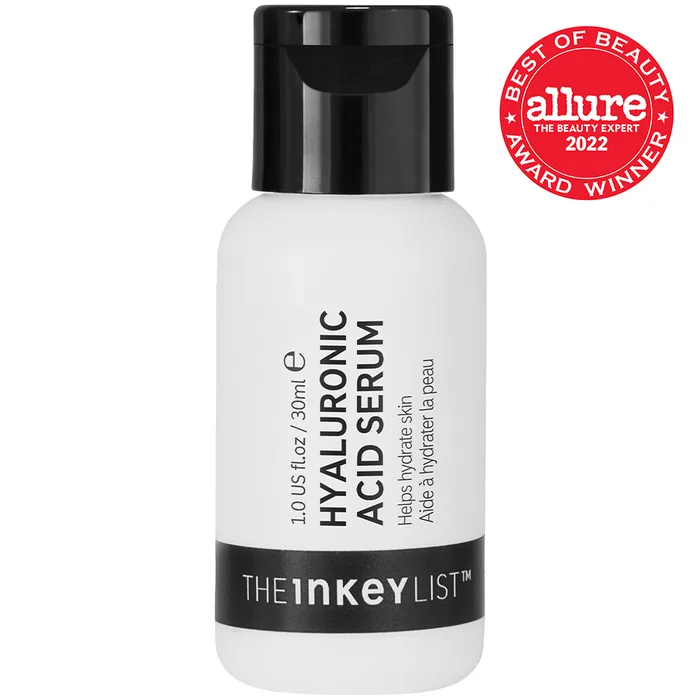
    The Inkey List Hyaluronic Acid SerumBest multi-molecular pick$13.001.0 fl oz / 30 mL2% multi-molecular hyaluronic acid
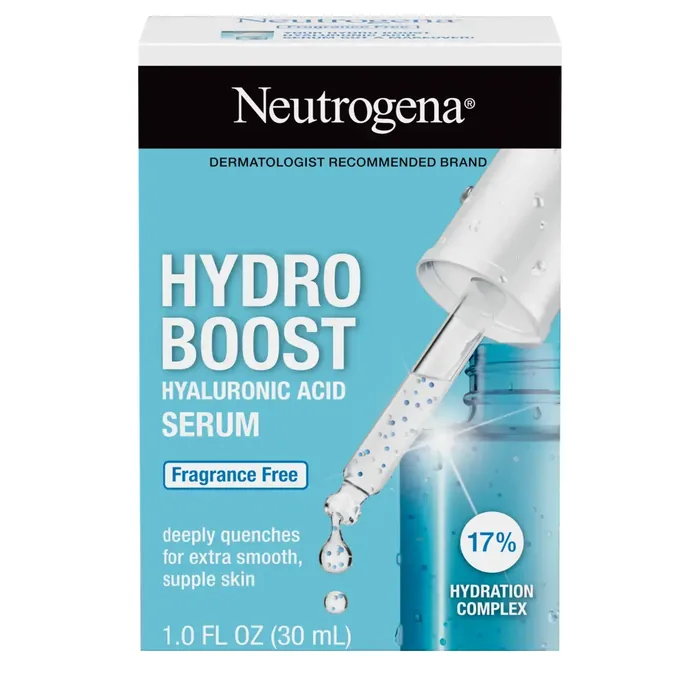
    Neutrogena Hydro Boost Hyaluronic Acid SerumBest drugstore classic$21.991 fl oz / 30 mLHyaluronic acid in the Hydro Boost system

    Prices are MSRP snapshots and move with promotions. Every product here was tested by BLC and verified against the brand page.

    Contents

    What is the best hyaluronic acid serum?

    The best hyaluronic acid serums of 2026 are Good Molecules Hyaluronic Acid Serum ($6) as the budget benchmark, The Ordinary Hyaluronic Acid 2% + B5 ($9.90) for its ceramide and panthenol support, The Inkey List Hyaluronic Acid Serum ($13) for its 2% multi-molecular formula, and Neutrogena's Hydro Boost Hyaluronic Acid Serum ($21.99) as the drugstore classic.

    Hyaluronic acid is a humectant that binds many times its weight in water, which plumps the look of dehydrated skin quickly. This is one of skincare's most level categories: the ingredient is cheap to make well, so a $6 serum can compete with anything.

    Which hyaluronic acid serum has the most hyaluronic acid?

    The Inkey List Hyaluronic Acid Serum and The Ordinary Hyaluronic Acid 2% + B5 both state 2% hyaluronic acid on the label. A higher number is not automatically better: hyaluronic acid draws water into the top layers of skin, and a 2% serum applied to damp skin and sealed with moisturizer does that job well.

    What is the best budget hyaluronic acid serum?

    Good Molecules Hyaluronic Acid Serum, at $6 for 30 mL, is the budget pick: a plain hyaluronic acid serum that layers under everything. The Ordinary Hyaluronic Acid 2% + B5 ($9.90) is the step up if you also want ceramides and panthenol for barrier support.

    What separates HA serums

    Molecular weight is the real differentiator. Large HA molecules hydrate the surface, smaller ones reach slightly deeper, and multi-weight formulas cover both, which is why "multi-molecular" appears on better labels. Supporting ingredients matter second: The Ordinary adds ceramides and panthenol, turning a hydrator into light barrier support.

    The technique that makes HA work

    Apply to damp skin, then seal with moisturizer. Humectants pull water from wherever it is available; on dry skin in dry air, that can mean pulling water out of skin. Damp application gives HA water to grab, and the moisturizer locks it in. This technique matters more than which serum you buy.

    For how HA compares to K-beauty's other hydration hero, see Snail Mucin vs Hyaluronic Acid, and for when niacinamide is the better first buy, Niacinamide vs Hyaluronic Acid.
    The picks in detail

    Good Molecules Hyaluronic Acid Serum
    Best budget benchmark

    Good Molecules Hyaluronic Acid Serum

    $6.00 / 30 mL

    Six dollars for a clean, effective HA serum that shows how little a good HA serum needs to cost. No frills, layers under everything, and makes expensive HA serums explain themselves.

    Key actives: Hyaluronic acid, water-light base

    The Ordinary Hyaluronic Acid 2% + B5
    Best with barrier support

    The Ordinary Hyaluronic Acid 2% + B5

    $9.90 / 30 mL

    The upgraded classic: multi-weight HA plus ceramides and panthenol, so hydration comes with light barrier support. The best formula-per-dollar in the category. Read our full review.

    Key actives: Multi-weight HA, ceramides, panthenol

    The Inkey List Hyaluronic Acid Serum
    Best multi-molecular pick

    The Inkey List Hyaluronic Acid Serum

    $13.00 / 1.0 fl oz / 30 mL · Vegan

    Inkey's bestseller runs 2% multi-molecular HA in a non-tacky texture that plays perfectly under makeup and other actives. Vegan, and the brand's clearest crowd-pleaser. Read our full review.

    Key actives: 2% multi-molecular hyaluronic acid

    Neutrogena Hydro Boost Hyaluronic Acid Serum
    Best drugstore classic

    Neutrogena Hydro Boost Hyaluronic Acid Serum

    $21.99 / 1 fl oz / 30 mL

    The mainstream classic, available in every drugstore and matched to the wider Hydro Boost line. You pay more per mL than the budget picks, but the availability and the water-gel feel keep it a fair pick.

    Key actives: Hyaluronic acid in the Hydro Boost system

    Prices are MSRP snapshots; confirm on the brand page before buying.

    Frequently asked questions

    What is the best hyaluronic acid serum?

    Good Molecules Hyaluronic Acid Serum ($6) is the budget benchmark, The Ordinary Hyaluronic Acid 2% + B5 ($9.90) adds panthenol, and The Inkey List Hyaluronic Acid Serum ($13) uses a 2% multi-molecular formula. Hyaluronic acid is a humectant that binds many times its weight in water, plumping dehydrated skin fast. Apply any of them to damp skin and seal with moisturizer.

    Do expensive hyaluronic acid serums work better?

    Usually not. Hyaluronic acid is inexpensive to formulate well, so a $6 serum can match premium options. Multi-molecular weights and supporting ingredients like ceramides matter more than price.

    How do I apply hyaluronic acid serum correctly?

    Apply to damp skin, then seal with moisturizer. On dry skin in dry air, a humectant can pull water out of skin instead of into it. Damp application plus sealing is the technique that makes HA work.

    Can I use hyaluronic acid every day?

    Yes, morning and night. HA is one of the gentlest ingredients in skincare, suits every skin type including oily and breakout-prone, and layers under any active or moisturizer.

    What does multi-molecular hyaluronic acid mean?

    It means the formula combines HA at several molecular weights. Larger molecules hydrate the surface while smaller ones reach slightly deeper, so multi-weight formulas hydrate more completely than single-weight ones.
    Yishika Jain, Content Reviewer and Long-Cycle Tester at BestLiftingCream.com

    Written by

    Yishika Jain

    Content Reviewer and Long-Cycle Tester

    Yishika Jain is a certified makeup artist and beauty content creator whose reviewing career spans hundreds of skincare and color products.

    Read full bio
    Jadranka Cubrilo, Ph.D., Cosmetic Chemistry Reviewer at BestLiftingCream.com

    Fact checked by

    Jadranka Cubrilo, Ph.D.

    Cosmetic Chemistry Reviewer

    Dr. Jadranka Cubrilo holds a Ph.D. in chemistry and has spent her career inside the skincare formulation industry.

    Read full bio
    Dr. Emily Grimshaw, Board-Certified Dermatologist and Medical Reviewer at BestLiftingCream.com

    Medically reviewed by

    Emily Grimshaw, MD

    Board-Certified Dermatologist and Medical Reviewer

    Dr. Emily Grimshaw is a board-certified dermatologist at Dallas Associated Dermatologists, where she has practiced medical and cosmetic dermatology since 2018.

    Read full bio
    • Board-certified dermatologist, American Board of Dermatology
    • MD, University of Texas Medical School at Houston
    • Dermatology residency, University of Texas Medical Branch, Galveston (Chief Resident)
    • Fellow of the American Academy of Dermatology (FAAD)
    • Alpha Omega Alpha medical honor society

    Looking for your next lifting cream?

    Back to homepage