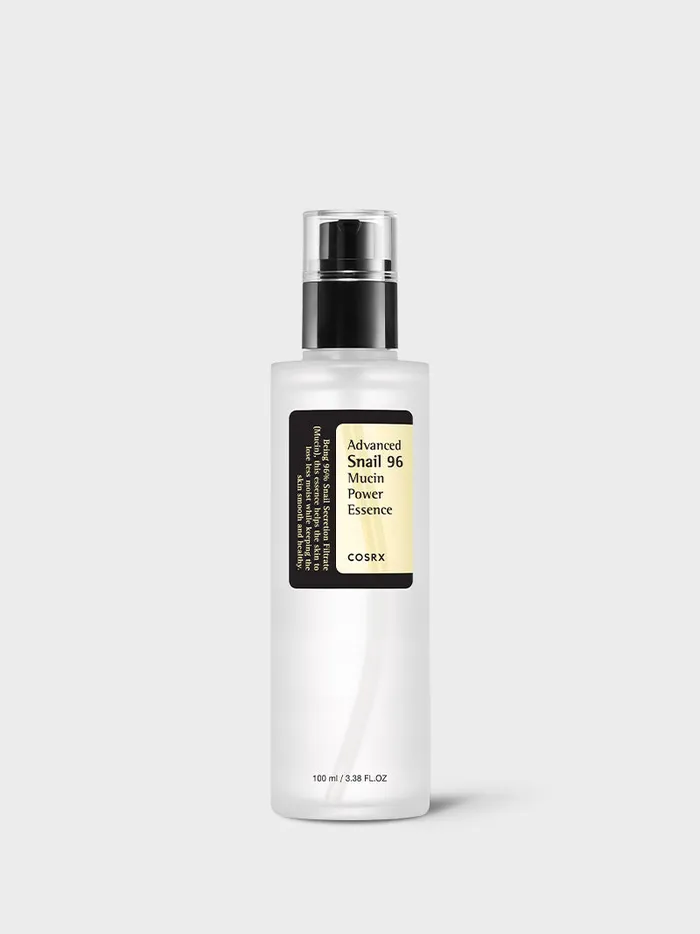
Product Type vs Product Type

    Toner vs Essence

    All comparisons
    Written by Yishika JainFact checked by KM MehazbeenReviewed by Dr. Emily Grimshaw, Board-Certified DermatologistUpdated November 11, 2026 · 6 min readAdd as a preferred source on Google

    Sale alert: this product is on sale right now.

    Discounted prices below were verified at the source on November 16, 2026. Sale prices are time-sensitive and can change or end without notice, so confirm on the brand page before buying.

    TakeawaysAI-generated

    Toner and essence are neighboring watery steps: a toner is the lightest layer, applied immediately after cleansing for hydration prep or mild actives, while an essence is slightly denser, typically carrying fermented ingredients or treatment actives as K-beauty's signature step between toner and serum. The categories have blurred into essence-toner hybrids like numbuzin's Super Glowing Essence Toner. Neither is required: choose one watery layer that delivers an active you want, apply it to damp skin, and skip stacking both unless you run a multi-layer hydration routine like glass skin.

    This summary was generated by AI and reviewed by our editors.

    Jump to the products compared ↓

    What we updated

    1. November 11, 2026

      Edited headings and wording for clarity; no facts changed.

    Toner vs essence: the actual difference

    Both are watery layers between cleansing and serum; the difference is weight and intent. A toner is the lightest step, applied right after cleansing to rehydrate, restore comfort, and sometimes deliver a mild active by swipe or pat. An essence is a half-step denser, K-beauty's signature layer, typically carrying fermented ingredients like rice ferment or bifida plus treatment actives, patted on between toner and serum.

    Toner preps; essence treats. That is the whole traditional distinction.

    Why the line has blurred

    Modern formulation collapsed the categories: essence-toner hybrids like numbuzin's Super Glowing Essence Toner, from our best toners lineup, carry essence-level ferments at toner viscosity, and Western brands label the same textures serum, essence, or toner by marketing mood. Reading the ingredient list now tells you more than the category name ever will.

    Do you need either? Both?

    Need: neither. Cleansing, moisture, and SPF remain the essentials, and the routine works without any watery middle layer.

    Worth having: one, when it delivers something real, a niacinamide toner for tone, a ferment essence for the layered-hydration glow of the glass skin method. Applied to damp skin, one watery layer meaningfully boosts a dry-skin routine.

    Both together: only if you run a K-beauty multi-layer routine and enjoy it. Stacking toner plus essence plus serum for the sake of steps is the twelve-step trap; the skin absorbs consistency, not ceremony.
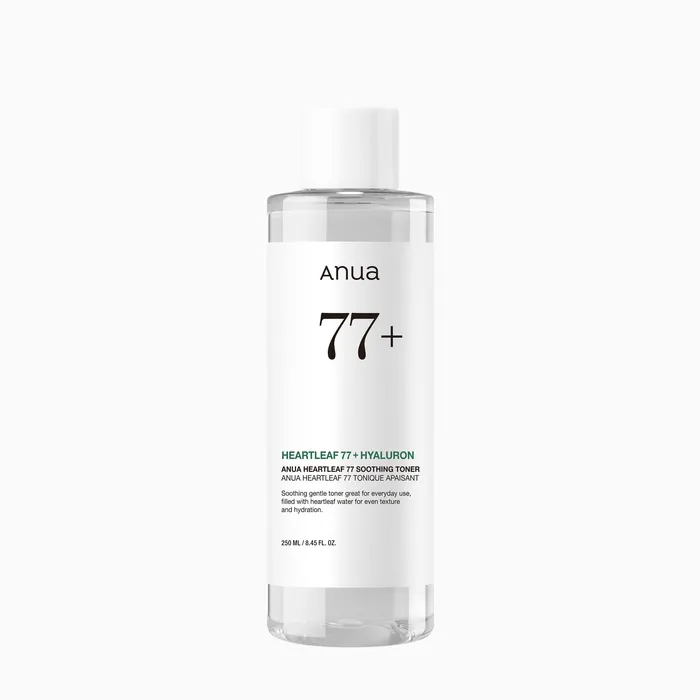
    The products compared

    Toners

    Essences

    Prices are MSRP snapshots; confirm on the brand page before buying. These products are researched, not BLC lab-tested, so they are not scored on our 7-criteria system.

    Frequently asked questions

    What is the difference between toner and essence?

    A toner is the lightest post-cleansing layer for rehydration and mild actives; an essence is slightly denser, carrying ferments and treatment ingredients as K-beauty's step between toner and serum. Hybrids now blur the line freely.

    Do you use toner or essence first?

    Toner first, essence second, both on damp skin before serum. If you use an essence-toner hybrid, it simply takes the single watery slot.

    Do I need both a toner and an essence?

    No. One watery layer that delivers an active you want covers the territory for most routines. Both together only make sense in a deliberate multi-layer hydration routine like glass skin.

    Is essence just a marketing term?

    Partly, now: the traditional K-beauty essence was a distinct ferment-rich treatment layer, but modern labeling uses toner, essence, and serum loosely. The ingredient list is the reliable guide.
    Yishika Jain, Content Reviewer and Long-Cycle Tester at BestLiftingCream.com

    Written by

    Yishika Jain

    Content Reviewer and Long-Cycle Tester

    Yishika Jain is a certified makeup artist and beauty content creator whose reviewing career spans hundreds of skincare and color products.

    Read full bio
    KM Mehazbeen, Lead Beauty Advisor and Hands-On Tester at BestLiftingCream.com

    Fact checked by

    KM Mehazbeen

    Lead Beauty Advisor and Hands-On Tester

    KM Mehazbeen brings over a decade of luxury-counter beauty experience to the BLC editorial team.

    Read full bio
    Dr. Emily Grimshaw, Board-Certified Dermatologist and Medical Reviewer at BestLiftingCream.com

    Reviewed by

    Dr. Emily Grimshaw

    Board-Certified Dermatologist and Medical Reviewer

    Dr. Emily Grimshaw is a board-certified dermatologist at Dallas Associated Dermatologists, where she has practiced medical and cosmetic dermatology since 2018.

    Read full bio
    • Board-certified dermatologist, American Board of Dermatology
    • MD, University of Texas Medical School at Houston
    • Dermatology residency, University of Texas Medical Branch, Galveston (Chief Resident)
    • Fellow of the American Academy of Dermatology (FAAD)
    • Alpha Omega Alpha medical honor society