What makes the best lip balm in the first place?
The best lip balm usually is not the most expensive one. It is the one that gives the right mix of occlusion, comfort, and staying power without turning into a product you need to reapply every 20 minutes.
Most good lip balms rely on a simple logic. They help reduce moisture loss with occlusives, add softness with emollients, and sometimes use humectants to pull in water. That sounds basic because it is. A lip balm does not need luxury branding to work well.
The real question is what problem you are trying to solve. The best lip balm for everyday dryness is not always the best lip balm for severely chapped lips. A tinted formula may feel nicer during the day, but it may not protect as well as a heavier ointment. The best lip balm with SPF needs to be pleasant enough to reapply, or the protection advantage disappears.
That is also why there is no single perfect balm for everyone. Good lip care is more about fit than hype.
How we judge a lip balm fairly
A lip balm deserves to be judged on practical criteria, not trend appeal. Here is what matters most:
| Criteria | What it tells you |
|---|---|
| Immediate relief | Whether lips feel less tight, stingy, or rough soon after applying |
| Lasting protection | Whether the balm actually stays on and reduces moisture loss |
| Texture and finish | Whether it feels waxy, greasy, glossy, slippery, or comfortably protective |
| Irritation risk | Whether fragrance, flavor, menthol, essential oils, or plumping agents may make things worse |
| Packaging | Whether it is hygienic, easy to carry, and realistic for frequent use |
| Value | Whether the formula earns its price or if a cheaper option does the same job |
| User fit | Whether it suits sensitive lips, frequent balm users, men wanting low shine, or people wanting tint or SPF |
The best formulas help lips stay comfortable longer. The weaker ones can create a cycle where the first few minutes feel good, but the lips never seem less dependent on reapplication.
How lip balm works and what it can realistically do
Lips dry out more easily than much of the rest of the face because the barrier is thinner and constantly exposed. Cold air, wind, sun, lip licking, dehydration, irritating toothpaste, fragranced products, and active skincare that migrates onto the lip area can all make things worse.
A good lip balm can do a few things well:
- reduce transepidermal water loss
- soften rough or flaky lips
- make lips feel less tight and less fragile
- improve comfort while the barrier recovers
A lip balm reduces moisture loss and buys comfort while the barrier recovers. It cannot fix an allergy, an infection, or a medication side effect, so persistent cracking or burning deserves a clinician, not another purchase.
It is also worth answering a common question: why do some balms feel great at first, then seem to leave lips drier later?
Usually it is one of three things:
- the formula is too light and wears off fast
- the balm includes irritating flavor, fragrance, menthol, or plumping ingredients
- the user keeps reapplying a comfort-first formula that feels nice but does not protect well enough
Ingredients that usually help dry lips
Some ingredients are consistently useful.
| Ingredient | What it does | Who tends to like it |
|---|---|---|
| Petrolatum | Strong occlusive protection that helps reduce moisture loss | Very dry, chapped, wind-burned lips |
| Lanolin | Rich, clingy protection with a softening feel | People who want cushioning and longer wear |
| Shea butter | Emollient and comforting, often in stick balms | Everyday dryness, people who dislike greasy ointments |
| Ceramides | Barrier-supportive ingredient that makes sense in repair-focused formulas | Sensitive or compromised lips |
| Squalane | Lightweight emollient that softens without much heaviness | Daytime users who want less waxy texture |
| Glycerin | Humectant that helps attract water | Good when paired with stronger occlusives |
| Hyaluronic acid | Can add temporary plumping and hydration feel | People who like smoother-looking lips, though it needs occlusive support |
Petrolatum remains one of the most reliable ingredients if the goal is simple protection. It is not glamorous, but it works. Lanolin can feel especially good overnight, though some people are sensitive to it. Ceramide-based formulas make sense when lips feel irritated or over-stripped rather than just dry.
Ingredients that can be a problem for sensitive or cracked lips
The ingredients that make a lip balm feel active or refreshing are often the same ones that backfire on damaged lips.
| Ingredient type | Why it can be a problem |
|---|---|
| Menthol and camphor | Cooling sensation can feel soothing but may irritate cracked lips |
| Strong flavoring | Cinnamon, mint, and sweet candy-style flavor blends can trigger sensitivity |
| Essential oils | Citrus, peppermint, and other fragrant oils can be irritating |
| Fragrance | Adds sensory appeal, not repair value |
| Plumping ingredients | Tingling often means irritation, not real lip improvement |
If your lips are already dry, cracked, or reactive, bland formulas usually outperform exciting ones.
Lip balm picks by use case
The featured comparison above covers the six balms we sourced and priced. This quick guidance maps common needs to formula types and widely available options, so you can match a pick to your situation rather than to whatever is trending.
Best lip balm for everyday use
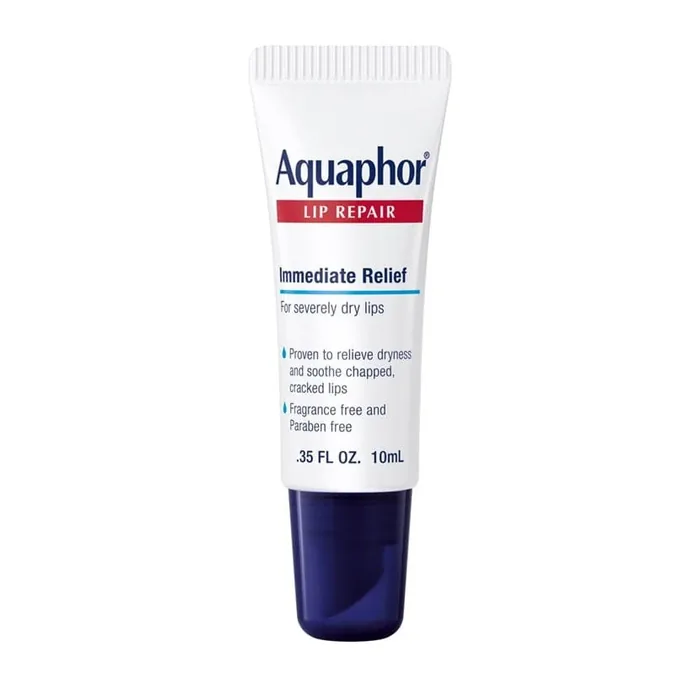
Type to look for: A balanced repair-style squeeze tube, like an Aquaphor-style lip ointment Best for: Most people who want dependable protection and comfort without much irritation risk Finish: Soft sheen, not glossy in an obvious way Skip it if: You strongly prefer a dry-touch stick or want tint
A balanced repair balm feels protective without being as heavy as straight petrolatum. It makes sense for everyday dryness, travel, cold weather, and frequent use. In practical terms, it does what a good lip balm should do: helps lips feel less vulnerable and more stable between applications.
Best lip balm for dry lips
Type to look for: A petrolatum-based ointment, like Vaseline Lip Therapy Best for: Flaking, tight, wind-dry, or winter-stressed lips Finish: Ointment-like, slightly shiny Skip it if: You want color, SPF, or a lighter, more elegant texture
For dry-lips searches, a basic petrolatum ointment is still one of the strongest value picks. Petrolatum is not exciting, but for severely dry lips, function matters more than branding. It is especially useful as a seal-over step at night or before going out in harsh weather.
Best dermatologist-style option
Type to look for: A barrier-supportive healing ointment, like CeraVe Healing Ointment Best for: Sensitive, compromised, over-exfoliated, or irritation-prone lips Finish: Rich, protective, slightly glossy Skip it if: You dislike ointment textures or want a slim lipstick-style tube
This fits the kind of formula often recommended in a dermatologist-style sense: simple, low-fragrance, barrier-focused, and not trying to be cute. It is a strong option when lips are not just dry, but feel stressed.
Best tinted lip balm
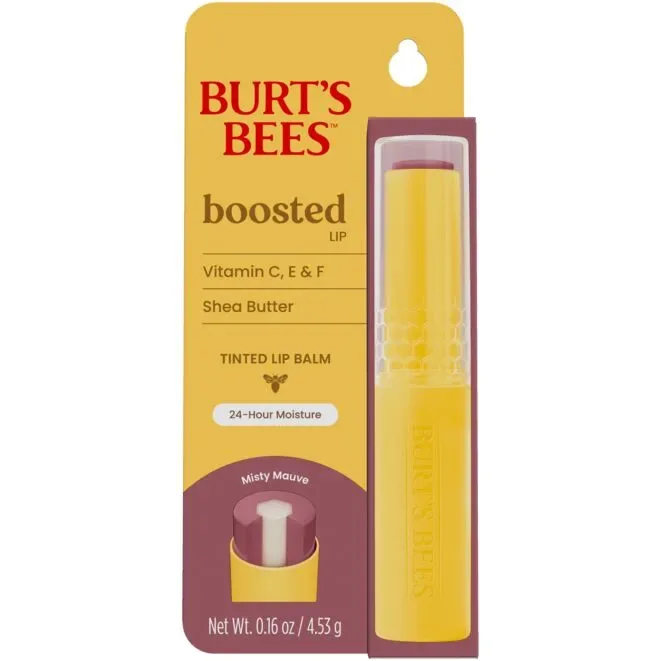
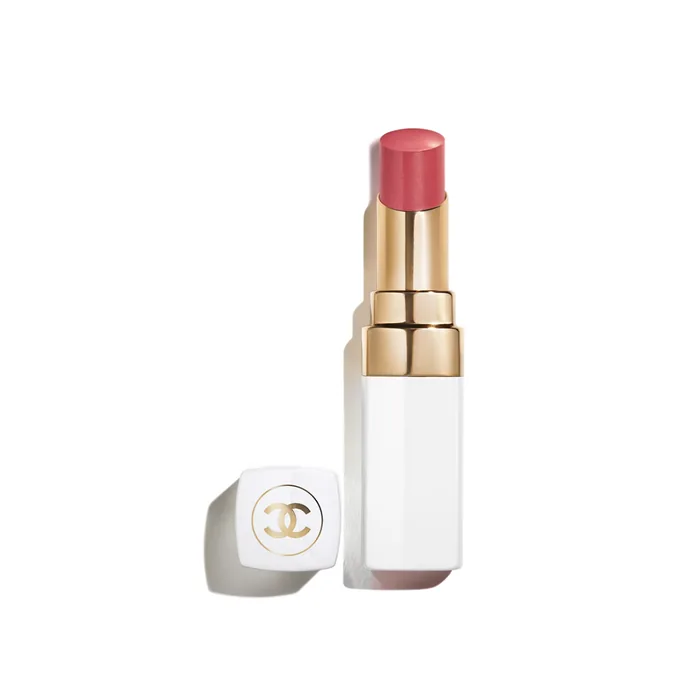
Type to look for: An everyday tint like Burt's Bees, or a luxe option like Chanel Rouge Coco Baume Best for: People who want easy daytime color with decent comfort Finish: Natural to softly glossy Skip it if: Your lips are badly cracked or you need the deepest overnight protection
Tinted balms always involve a trade-off. The better the cosmetic finish, the less likely it is to feel like a serious repair product. These work best for casual daytime color, not as a replacement for a heavier treatment balm.
Best lip balm with SPF
Type to look for: A pleasant, reapplication-friendly SPF balm, like a Sun Bum SPF lip balm Best for: Outdoor use, beach days, walking, driving, and daily sun exposure Finish: Smooth with light shine Skip it if: You are very sensitive to flavor or prefer a completely plain formula
SPF matters on lips more than many people realize because the area gets direct sun and is often ignored. The best lip balm with SPF is the one you will actually keep using. A technically good formula that tastes odd or feels chalky tends to fail in real life.
Best lip balm for men
Type to look for: A low-shine, pocket-friendly tube, like Jack Black Intense Therapy Best for: Low-fuss users who want practical protection Finish: Fairly natural, not overly glossy Skip it if: You want fragrance-free minimalism or the lowest possible price
Searches for best lip balm for men usually point to the same priorities: no nonsense, easy application, low shine, good wear. A straightforward daytime tube fits that brief, and it works for anyone, not just men.
Best overnight lip treatment
Type to look for: A cushiony overnight mask, like Laneige Lip Sleeping Mask Best for: People who want a comfortable overnight lip treatment with longer wear Finish: Glossy, mask-like Skip it if: You dislike fragranced lip products or want the most basic repair formula
An overnight mask feels more like a comfort-first cocoon than a medical-style balm. It is effective for many users because it stays put well and can help with morning roughness. Still, if your lips are highly sensitive, simpler ointments often make more sense.
Best budget lip balm
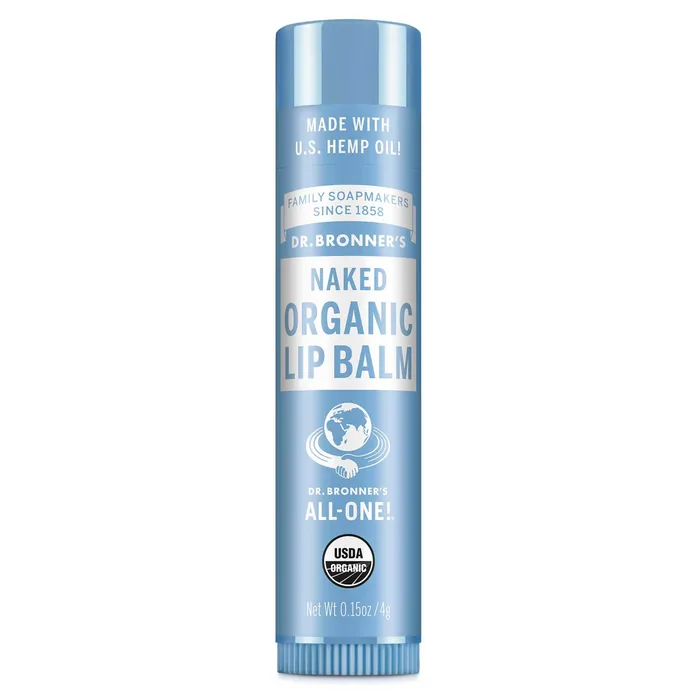
Type to look for: A simple occlusive stick or jar, or an organic option like Dr. Bronner's Naked Best for: Buyers who want simple protection without overpaying Finish: Depends on format, from natural to slightly shiny Skip it if: You want tint, luxury texture, or a more treatment-style formula
Budget lip balm is one of the easiest categories to get right. If the goal is protection and comfort, a basic occlusive formula can outperform products that cost several times more.
How to choose the right lip balm for your lips, habits, and climate
The right texture matters almost as much as the ingredient list.
| Format | Best for | Trade-off |
|---|---|---|
| Stick balm | Easy daytime use, pocket carry, low mess | Often less protective than ointments |
| Squeeze tube | Good balance of hygiene and cushion | Can feel shinier |
| Pot balm | Rich textures and overnight use | Less convenient and less hygienic on the go |
| Gloss-balm hybrid | Shine and comfort | Usually weaker protection |
| Tinted balm | Daytime color with some moisture | Less ideal for severely dry lips |
| Ointment | Heavy-duty protection and repair support | Can feel greasy or look shiny |
Climate changes the right pick too. Cold, windy, or dry weather usually calls for richer protection. Humid weather or office use may be easier with a lighter stick or tube that is comfortable to reapply often.
Other filters matter:
- fragrance-free vs flavored
- glossy vs natural finish
- vegan preference
- layers well under or over lip color
- packaging that suits how often you use it
If your lips are dry all the time, choose differently
If you are constantly reapplying balm and never feeling ahead of the problem, stop chasing novelty. Start with a bland, protective formula first.
Look for:
- petrolatum or a strong occlusive base
- minimal flavor and fragrance
- a low-irritant formula
- a texture that stays on long enough to matter
Sometimes the issue is not that you need a more exciting lip balm. It is that you need a less exciting one.
When a lip balm is not enough
A lip balm has limits. If you have persistent cracking at the corners, pain, swelling, burning, bleeding, or ongoing peeling that does not improve, it may point to irritation, allergy, infection, or another issue that needs a clinician rather than another product experiment.
If you are dealing with severe or persistent symptoms, especially after trying bland protective formulas, it is worth checking in with a dermatologist or other qualified clinician.
Final verdict: the best lip balm is the one your lips will tolerate and you will actually use
The best lip balm is not the prettiest tube, the most viral flavor, or the one with the best packaging. It is the one that your lips tolerate, that feels good enough to use consistently, and that actually reduces moisture loss.
A simple framework works best:
- choose heavier protection for severe dryness
- choose fragrance-free, barrier-focused formulas for sensitivity
- choose tinted options for daytime comfort with color
- choose SPF when sun exposure is part of the equation
The biggest buying mistake is choosing by trend before checking whether the formula is genuinely protective. If dryness around the eyes is also on your radar, the same realistic approach applies in our guide to the best eye cream for wrinkles.
A good lip balm should help lips feel more comfortable, less tight, and less fragile, partly by reducing moisture loss. It should not promise miracles. It just needs to do its job well.