What is the best eye cream for wrinkles, really?
The best eye cream for wrinkles is usually not the one making the biggest promises. Most eye creams do not lift skin, erase crow's feet, or undo deeper structural aging around the eyes. The useful ones do something more realistic: they hydrate dry, crepey skin, smooth the surface, and support firmer-looking texture over time with ingredients that make sense for the eye area.
That distinction matters because the eye area ages differently from the rest of the face. The skin is thinner, facial movement is constant, dryness shows fast, and sun exposure tends to catch up here early. Add rubbing, concealer wear, lack of sleep, and irritation from stronger face products, and the under-eye area often looks older before the rest of the face does.
For this guide, we judged eye creams by what actually matters when you are buying one: ingredient quality, wrinkle-focused support, irritation risk, texture, daytime wear, value, and whether the formula makes sense for delicate skin around the eyes. This is written for readers comparing options for crow's feet, crepey under-eyes, dark circles, sensitive skin, puffiness, and different budgets.
How we chose
| Criteria | What it means |
|---|---|
| Formula quality | Ingredients that make sense for fine lines, crepiness, hydration, and barrier support |
| Realistic wrinkle support | Whether the formula is likely to help smoothing, texture, and firmer-looking skin over time |
| Irritation risk | How likely it is to sting, dry out, or be too aggressive for daily use |
| Packaging | Whether the format protects sensitive ingredients and is easy to use cleanly |
| Finish under makeup | Whether it pills, feels greasy, or helps concealer sit better |
| Price and value | Whether the formula justifies the cost |
| Eye-area fit | Whether it actually suits thinner, more reactive skin |
What an eye cream can and cannot do
| Outcome | What to expect |
|---|---|
| Hydration | Often visible quickly, especially if dryness is making lines look worse |
| Temporary plumping | A smoother, fuller look from humectants and emollients |
| Long-term cosmetic improvement | Gradual support for texture and fine lines with consistent use |
| Structural change | Not realistic from an eye cream alone |
If your lines are mostly dryness lines, a cream can make a visible difference fast. If they are deeper expression lines or more advanced laxity, topical care has a ceiling. The same logic applies to face products, which we cover in do lifting creams work. It does not make eye cream pointless. It just means you should judge it for smoothing, comfort, and gradual support, not procedure-level change.
Which ingredients matter most?
No single ingredient guarantees results, and the best formula depends on your skin's tolerance, your level of dryness, and whether you also care about dark circles or puffiness.
Wrinkle-focused eye care works best when it combines one or two actives with strong hydration and barrier support. A powerful retinoid is not a good choice if it leaves your under-eyes irritated, flaky, and impossible to cover with makeup.
Daytime and night use also matter. Lighter hydrating and brightening formulas often make more sense in the morning. Retinoids and richer repair-focused creams usually fit better at night.
Retinol, retinal, and retinoid alternatives
Retinoids are among the better-supported cosmetic ingredients for improving the appearance of fine lines and texture. That is the strongest ingredient category for many people searching for a wrinkle eye cream.
The catch is tolerance. The eye area has a lower irritation threshold than the cheeks or forehead. Retinol eye creams can be a strong choice for crow's feet and early-to-moderate wrinkle concerns if the formula is balanced and you introduce it slowly. Retinal can be effective too, but strength and formulation matter more than the label alone.
If your skin is reactive, bakuchiol and gentler retinoid alternatives can make more sense. They usually offer a softer route to smoother-looking skin, though expectations should be more modest. Practical rule: retinoid-based eye creams are usually better for night use.
Peptides, hyaluronic acid, ceramides, and niacinamide
These are the ingredients that make many eye creams worth using even when they are not aggressive.
| Ingredient | What it may help with | Best fit |
|---|---|---|
| Peptides | Gradual support for smoother, firmer-looking skin | Early lines, mature skin, gentler long-term use |
| Hyaluronic acid | Temporary plumping and hydration | Dehydration lines, crepey texture, daytime |
| Ceramides | Barrier support and reduced dryness | Sensitive, dry, or over-treated under-eyes |
| Niacinamide | Barrier support, tone, and texture | Sensitive skin, mild discoloration, daily use |
If your main issue is crepiness rather than deep etched lines, these often matter more than buyers think. Dry under-eyes can look dramatically more lined than well-hydrated ones.
Vitamin C, caffeine, and brightening support
These make sense when the search is really about wrinkles and dark circles, not wrinkles alone. Vitamin C can help brighten the look of the area and support a more even tone, though eye formulas vary a lot in strength and stability. Caffeine is more useful for temporary de-puffing and a slightly tighter-looking finish than for true wrinkle correction.
They help most with mild dullness, morning puffiness, or superficial darkness. They are less convincing when dark circles come from hollowness, deep-set anatomy, or stubborn pigment.
Ingredients and formats to be careful with
Some formulas are simply too much for this area. Be careful with strong fragrance, harsh exfoliating acids, overly aggressive retinoid strengths, and textures that migrate into the eyes and sting. Heavy products can cause milia for some people, while very thin gels can underperform if your main issue is dryness and crepiness. A good eye cream should stay where you put it, absorb cleanly, and not punish you for using it consistently.
Best eye creams for wrinkles by use case
There is no one universal best eye cream for wrinkles. The better question is which type of formula fits your concern, routine, and tolerance. Our picks above map to the use cases below.
Best for everyday, balanced wrinkle support
Best for: most people who want balanced wrinkle support, hydration, and good wearability. Skip if: you want the strongest possible retinoid or a very rich balm.
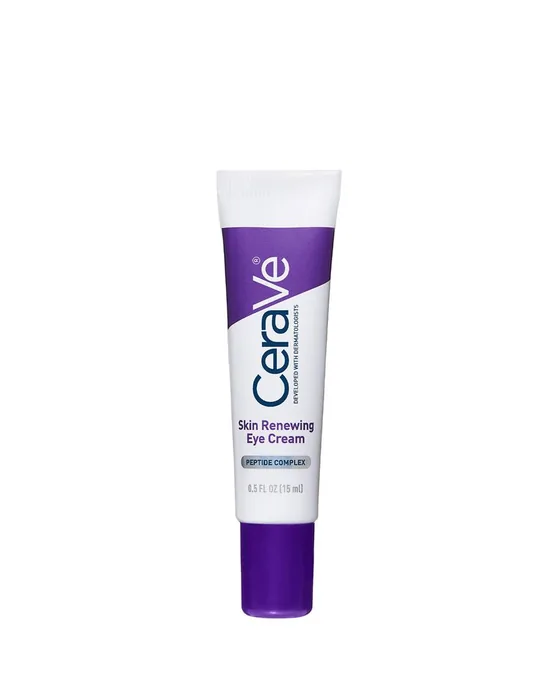
A peptide-and-hydration focused eye cream is the easiest win for most readers. It usually layers well, helps fine dehydration lines, supports a smoother look over time, and is easier to tolerate than stronger retinoid formulas. Expect quicker improvement in dryness and surface lines than in deeper crow's feet.
Best for wrinkles and dark circles
Best for: fine lines plus mild dark circles, dullness, or morning puffiness. Skip if: your main issue is deeper hollowness or very etched wrinkles.
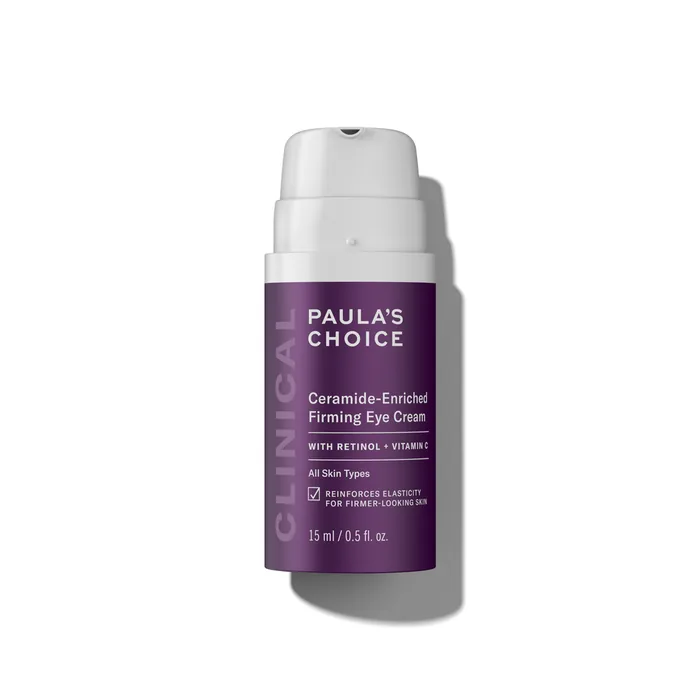
Look for hydration plus brightening support such as vitamin C, niacinamide, or caffeine. This works best when darkness is partly related to dryness, dull tone, or puffiness, not a full correction for genetic or structural shadowing.
Best for deep wrinkles and crow's feet
Best for: more established lines and users comfortable with a stronger night routine. Skip if: you have easily irritated eyes or struggle with dryness.
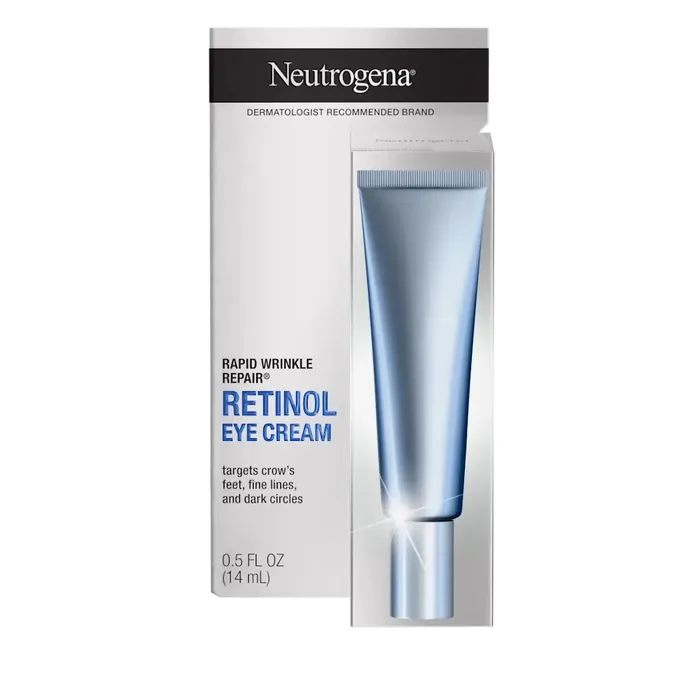
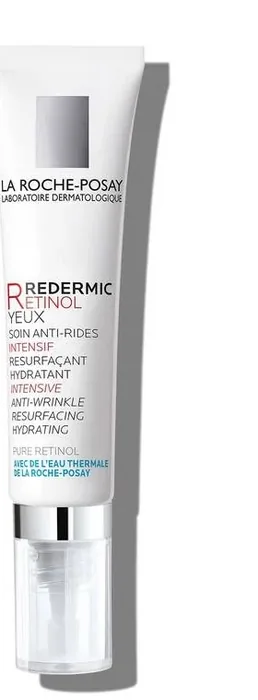
A retinal- or retinol-led eye cream is the stronger fit, with the highest tolerance demands. It gives the best chance of gradual texture and fine-line improvement, but progress is slow and the early effect is often dryness management rather than dramatic change.
Best for sensitive or dry under-eyes
Best for: crepey, fragile, fragrance-reactive under-eyes. Skip if: you specifically want a stronger active first.
A richer fragrance-free cream with ceramides, niacinamide, and humectants is the smarter buy. It looks less exciting on paper but is often the one people actually stick with, and it tends to improve the look of crepiness faster than active-led products. This pairs with how we think about sensitive skin across the catalog.
Best budget eye cream for wrinkles
Best for: buyers who want solid hydration and wrinkle-focused value without overspending. Skip if: you want luxury texture or specialized actives.
A simple hydrating formula with peptides, niacinamide, or a low-key retinol covers the basics well for many people, especially if your issue is mild dry-skin lines rather than deeper crow's feet.
Best for wrinkles under makeup
Best for: daytime wear, concealer users, and anyone prone to pilling. Skip if: you prefer a heavy night-cream texture.
A lightweight cream-gel or a formula with optical diffusers absorbs faster, stops concealer catching on dry patches, and avoids a greasy film. Expect more immediate cosmetic payoff than long-term wrinkle change.
Best Korean eye cream for wrinkles
Best for: readers who care about elegant texture, layering, and hydration-first formulas. Skip if: you specifically want the most active-driven treatment.
Korean eye creams often excel at hydration, finish, and soothing support, which is great for fine lines from dryness. Many are better at cushioning than at aggressive wrinkle treatment, so judge them on comfort and layering rather than treatment strength. (We have not yet verified a specific Korean pick for this list.)
Best eye cream for wrinkles for men
Best for: anyone who wants a simple, low-fuss formula with a clean finish and optional de-puffing. Skip if: you are choosing it only because it says "for men."
Male skin does not need a separate eye-cream category. A fragrance-light or fragrance-free formula with a clean finish delivers the same realistic benefits, often in a texture that feels more straightforward.
How to choose for your wrinkle type
Buy for your main problem, not the loudest anti-aging label.
| Main concern | Best formula style | Why |
|---|---|---|
| Fine dehydration lines | Humectants, ceramides, richer hydration | Dryness can exaggerate lines quickly |
| Crow's feet | Retinoids, peptides | Better long-term support for texture and fine lines |
| Crepey texture | Barrier creams with hyaluronic acid and ceramides | Plumps and cushions the surface |
| Dark circles | Niacinamide, vitamin C, caffeine, hydration | Best for mild dullness or puffiness, not all causes |
| Puffiness | Caffeine, cooling gels, lightweight textures | Mainly temporary cosmetic support |
If you keep seeing forum recommendations: Reddit and other communities are useful for spotting texture, irritation, pilling, and value patterns. They are not proof a cream reduces wrinkles. User sentiment helps with fit; it does not replace ingredient logic. The same realistic framing applies to face products in lifting vs firming creams.
How to use eye cream for better results
Application mistakes are one reason eye creams get unfairly written off.
Use a rice-grain amount per eye or less. Apply along the orbital bone and let the product spread naturally rather than pushing it too close to the lash line. Too much product causes migration, stinging, puffiness, or pilling. Pat gently, do not rub.
Use lighter hydrating or brightening formulas in the morning if makeup wear matters, and richer or retinoid treatments at night. A dedicated eye product makes the most sense when your face cream is too strong, too fragranced, or too greasy for the area.
If you are pregnant, nursing, using prescription skincare, or managing a diagnosed skin condition, check with a dermatologist before adding stronger actives such as retinoids during pregnancy or exfoliating acids.
| Benefit | Typical timeline |
|---|---|
| Hydration | Often within days |
| Smoother makeup application | Often within days |
| Reduced look of crepiness | Days to a few weeks |
| Fine-line and texture support | Several weeks to months with consistent use |
The fastest changes are hydration and plumping. Wrinkle-focused improvement takes longer and is usually subtle. If the issue is significant sagging, etched deep lines, or hollowing, an eye cream will not fully correct it, and procedures may be the more realistic route.