What is the best night cream?
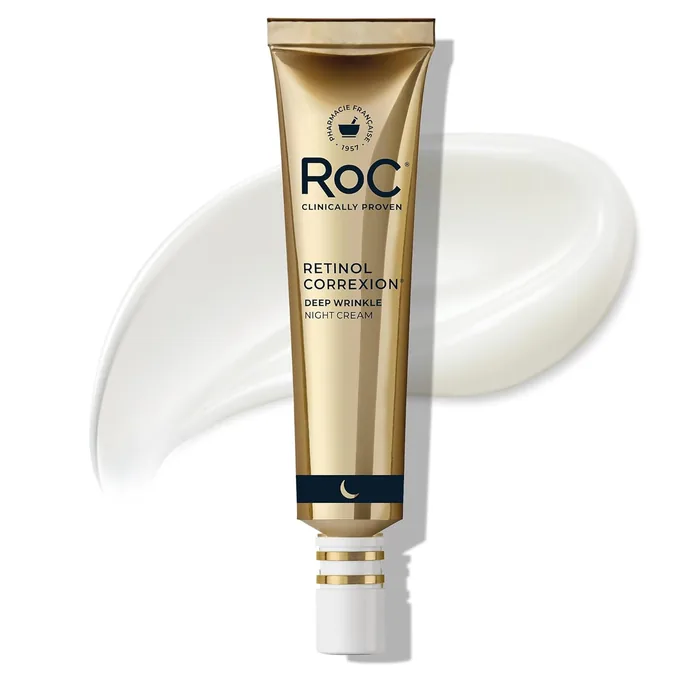
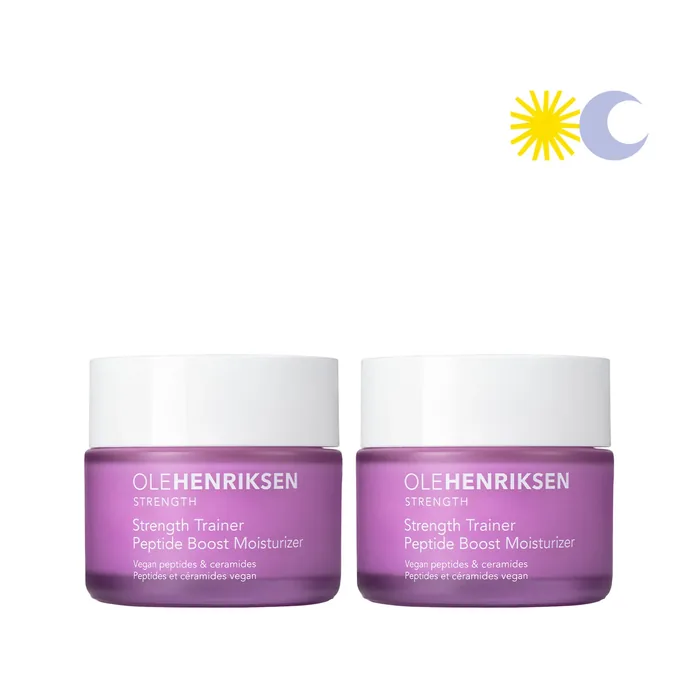
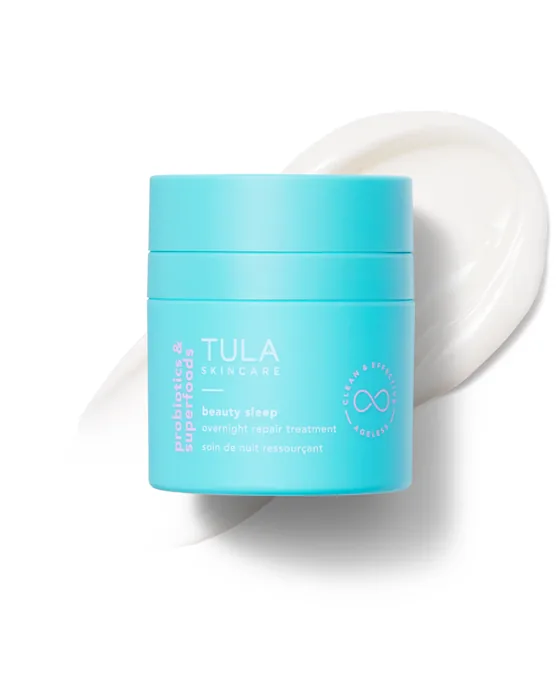
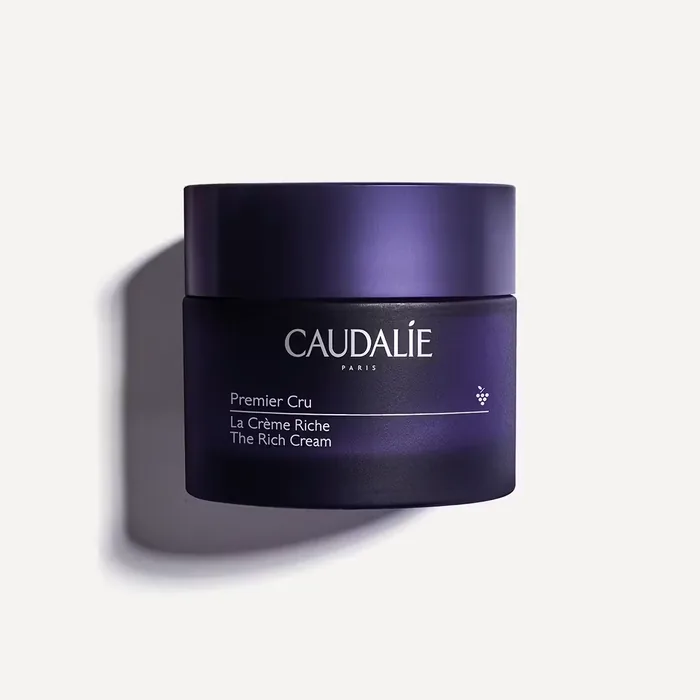
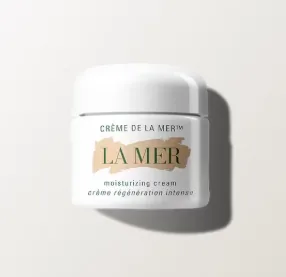
The best night creams of 2026 are the RoC Retinol Correxion Deep Wrinkle Night Cream ($21.99) for wrinkles and drugstore value, the OLEHENRIKSEN Strength Trainer Peptide Boost Moisturizer ($54) for peptide barrier support, TULA Beauty Sleep ($58) as a dedicated overnight treatment, Caudalie Premier Cru The Rich Cream ($119) for dry mature skin, and Creme de la Mer ($215) as the luxe splurge. The right pick depends on your skin type, your goal, and your budget, and each is compared in detail below.
Beyond any single product, the best night cream is the one that supports your skin barrier, improves hydration, and addresses a specific concern without irritating your skin. It is not automatically the richest jar, the most expensive formula, or the one with the strongest fragrance.
A good night cream should help your skin hold water overnight and, in some cases, deliver treatment ingredients that are better tolerated in the evening. That might mean ceramides, glycerin, retinoids, or a simple bland moisturizer, depending on your skin. Texture, packaging, luxury branding, and scent can affect the experience of using a cream, but they do not reliably predict performance.
The more useful question is not what is the best night cream for everyone. It is what is the best night cream for my skin type, my goals, and my tolerance.
Why night creams are different from day creams
Night creams are often different from day creams because they can be richer and may include ingredients better suited to evening use. A day cream usually prioritizes wearability under sunscreen and makeup, while a night cream can focus more on repair, moisture retention, and treatment.
Common differences include:
- richer textures with more emollients and occlusives
- no SPF, since sunscreen is for daytime use
- actives like retinol, lactic acid, or polyhydroxy acids (PHAs) that may be more practical at night
- formulas designed to reduce transepidermal water loss, which means water evaporating from the skin while you sleep
That does not mean everyone needs a separate product. Some people do perfectly well using the same moisturizer morning and night.
What a night cream can and cannot do
A night cream can improve hydration, reduce tightness, smooth rough texture, and support the look of fine lines over time. It can also help maintain a healthier skin barrier, which often makes skin look calmer and more even.
A night cream improves hydration, comfort, and the look of texture over time. It will not erase deep wrinkles in a week or replace prescription care, lasers, or injectables when those are actually needed.
What it cannot do is instantly transform skin or replace prescription treatment when that is needed. If a cream contains actives like retinoids, results still take time. The AAD retinoid guidance reflects that consistent use matters more than dramatic claims.
How to choose the best night cream for your skin type and skin goals
The best way to choose a night cream is to match the formula to your skin type and your main concern. Choosing by concern usually works better than choosing by trend, influencer hype, or a vague for-all-skin-types claim.
If your skin feels tight and flaky, you likely need barrier support and moisture retention. If you break out easily, you may do better with a lighter lotion or gel-cream. If your skin is sensitive, a simple fragrance-free formula is often the safest starting point.
Best night cream for dry and dehydrated skin
For dry or dehydrated skin, the best night cream usually contains humectants to pull in water, emollients to soften roughness, and occlusives to slow water loss. Dry skin lacks oil, while dehydrated skin lacks water, and many people deal with both at the same time.
Look for ingredients such as:
- ceramides, which help support the skin barrier
- glycerin, a humectant that draws water into the outer skin
- hyaluronic acid, another water-binding humectant
- squalane, a lightweight emollient
- petrolatum, an occlusive that helps reduce water loss
| Ingredient type | What it does | Best for |
|---|---|---|
| Humectants | Pull water into the outer skin layers | Dehydration, tightness, surface roughness |
| Barrier lipids | Help restore barrier structure | Chronic dryness, sensitivity, mature skin |
| Emollients | Smooth and soften rough skin | Flaking, texture, discomfort |
| Occlusives | Slow water loss | Very dry, cracked, or winter-stressed skin |
| Soothing agents | Calm irritation | Sensitive, reactive, or overtreated skin |
If your skin is very dry, a cream that feels slightly heavier at night can be helpful. If it only feels greasy and does not improve comfort by morning, it may not be the right formula.
Best night cream for oily, acne-prone, or combination skin
For oily, acne-prone, or combination skin, the best night cream is usually lighter than people expect. Heavy occlusive formulas can feel smothering, especially if you are also using acne treatments.
Look for:
- gel-creams or lotion textures
- non-comedogenic formulas, meaning less likely to clog pores
- niacinamide, which may help with oil balance and redness
- retinoids, introduced slowly if tolerated
- lightweight hydrators like glycerin and hyaluronic acid
People with acne-prone skin often make the mistake of skipping moisturizer entirely. That can backfire, especially if you use benzoyl peroxide, salicylic acid, or adapalene. Skin that is stripped can become more irritated and harder to manage.
Best night cream for sensitive skin
For sensitive skin, the best night cream is usually simple, fragrance-free, and focused on barrier support. More actives are not always better, especially if your skin already stings, flushes, or reacts easily.
A good starting point is:
- fragrance-free
- alcohol-light or alcohol-free
- ceramide-based
- minimal exfoliating acids
- no strong essential oils
If you want to introduce actives like retinol or acids, do it gradually. Start two nights per week, use a small amount, and keep the rest of your routine plain. The National Eczema Association moisturizer basics are useful here because barrier-first thinking applies well beyond eczema alone.
Best night cream for 30s and best night cream for 40s
The best night cream for your 30s is often different from the best night cream for your 40s, not because of a hard age cutoff but because skin priorities tend to shift.
In your 30s, common goals include:
- maintaining hydration
- preventing barrier damage
- addressing early texture changes
- starting a tolerable retinoid if desired
In your 40s, common goals often expand to include:
- more persistent dryness
- uneven tone
- more visible fine lines
- slower recovery after irritation
A useful rule is simple: in your 30s, prioritize consistency and prevention. In your 40s, prioritize barrier support plus targeted actives you can tolerate long term. For the eye area specifically, the same realistic approach applies in our guide to the best eye cream for wrinkles.
Which night cream ingredients actually matter?
The ingredients that matter most are the ones with a clear role: hydration, barrier repair, texture support, pigment support, or antioxidant protection. You do not need a formula with dozens of exotic extracts if the basics are weak.
The most consistently useful categories include retinoids, ceramides, niacinamide, glycerin, peptides, and antioxidant support. Ingredient labels can look intimidating, but reading by category is often easier than chasing every single plant extract.
Ingredients for hydration and barrier repair
Hydration and barrier repair ingredients matter because skin that is dry, inflamed, or overtreated will not tolerate stronger actives well. A healthier barrier often improves comfort and appearance before you add anything more ambitious.
Three basic categories help:
- Humectants: glycerin, hyaluronic acid, urea
- Emollients: squalane, fatty alcohols, plant oils
- Occlusives: petrolatum, dimethicone, shea butter
The Cleveland Clinic guide to skin barrier repair explains why protecting the barrier can reduce dryness, irritation, and roughness more reliably than constantly switching actives.
Ingredients for glowing skin and smoother texture
For glowing skin and smoother texture, the most useful night cream ingredients are usually retinoids, niacinamide, lactic acid, polyhydroxy acids, and antioxidants. Glowing generally means better hydration, smoother texture, and a more even-looking surface, not sparkle or instant brightness.
A quick breakdown:
- Retinoids help support cell turnover and improve the look of fine lines over time
- Lactic acid is an alpha hydroxy acid that exfoliates while being somewhat more hydrating than stronger acids
- PHAs exfoliate more gently and may suit sensitive skin better
- Niacinamide can help with tone, redness, and barrier support
- Antioxidants help defend against oxidative stress, which means damage from unstable molecules generated by UV light and pollution
If you are new to these ingredients, start slowly. A strong formula used too aggressively often performs worse than a moderate one used consistently.
What whitening usually means and what to look for instead
When people search for the best night cream for whitening, they usually mean brightening, fading the look of hyperpigmentation, or improving uneven tone. That is a more useful and more accurate goal than trying to whiten skin.
Look instead for ingredients that support a more even-looking complexion, such as:
- niacinamide
- retinoids
- azelaic acid
- vitamin C derivatives
- gentle exfoliants like lactic acid or PHAs
These ingredients may help fade the appearance of post-acne marks or sun-related discoloration over time. Melasma, deeper pigmentation, and persistent dark patches often need more than over-the-counter skincare.
Which ingredients can be too much at night
Too many strong ingredients in one routine can do more harm than good. Over-layering is one of the most common reasons a night cream seems not to work, when the real problem is irritation.
Be careful combining multiple strong products in one evening, especially if you are sensitive:
- retinoids
- strong exfoliating acids
- benzoyl peroxide
- heavily fragranced creams
- multiple leave-on treatments that all sting
If your skin becomes tight, shiny, red, or suddenly breakout-prone, simplify first. Often the fix is not a better cream. It is fewer competing products.
How to use a night cream for better results
A night cream works best when it is used consistently, in the right amount, and in a routine simple enough to maintain. Thick application does not make a formula more effective.
For most people, routine order matters less than consistency and tolerance. A simple structure is enough.
A simple night routine that works for most people
A practical night routine for most people looks like this:
- Cleanse gently
- Apply a treatment serum if you use one
- Apply your night cream
- Add a thin occlusive layer only if your skin is very dry
Use about a nickel-sized amount for the face, adjusting slightly if the formula is very rich or very fluid. If your cream contains retinoids or exfoliating acids, start two to three nights per week rather than every night.
How long does a night cream take to work?
Hydration from a night cream may improve within a few days, but texture, fine lines, and visible tone changes usually take longer. A realistic timeline helps prevent unnecessary product switching.
| Timeframe | What you may notice | What usually still takes longer |
|---|---|---|
| Within days | Less tightness, better comfort, softer skin | Fine lines, pigmentation, acne marks |
| 2 to 6 weeks | Smoother texture, less flaking, more even feel | More visible tone changes and deeper lines |
| 8 to 12 weeks | Better tolerance, gradual improvement in brightness and texture | Stubborn melasma, rosacea, significant acne |
If a formula is well matched to your skin, you should usually notice comfort and hydration first, then more gradual cosmetic benefits.
Signs your night cream is not the right fit
A night cream may not be the right fit if it consistently causes stinging, worsening breakouts, tightness, pilling, or a greasy film without improved comfort. Sometimes the problem is the product itself. Sometimes it is the routine around it.
Common signs to reassess include:
- burning that lasts more than a minute or two
- new irritation after adding active ingredients
- clogged pores or increased acne
- persistent tightness by morning
- heavy residue with no hydration benefit
- pilling when layered over simple products
If this happens, stop the newest active product first and simplify. If irritation is persistent, it is worth stepping back rather than pushing through.
How to find the best night cream without overspending
You do not need a luxury cream to get good results. Many affordable products perform well because the key drivers are formulation quality, packaging, and ingredient fit, not prestige.
Price can reflect marketing, fragrance, texture elegance, or packaging more than skin benefit. Some expensive creams are excellent. Some are mostly a pleasant experience in a nice jar. The same is true at the drugstore.
What to compare on the label before you buy
Before buying a night cream, compare the label for ingredient category, fragrance content, packaging, and whether the formula fits your actual skin concerns.
A quick framework:
- Does it contain useful hydrators like glycerin or hyaluronic acid?
- Does it include barrier-supportive ingredients like ceramides?
- Is it fragranced, and does your skin tolerate fragrance?
- Is it in a jar, tube, or pump?
- Does it match your skin type, or just the marketing?
Pump and tube packaging can be more practical for ingredients that are sensitive to repeated air and light exposure. Jar packaging is not automatically bad, but it is not automatically premium either.
When to consider a dermatologist instead of another cream
A dermatologist is worth considering when the problem is persistent acne, rosacea, eczema, melasma, significant irritation, or a rash that keeps returning. At that point, trying more over-the-counter creams can become expensive guesswork.
Night creams can help with hydration, comfort, and mild cosmetic concerns. They are not a substitute for prescription guidance when the issue is inflammatory, chronic, or clearly worsening. If your skin burns with multiple products, suddenly becomes reactive, or develops stubborn dark patches, getting a diagnosis is often more useful than buying another jar.