Cetaphil vs CeraVe: quick answer and how to choose
Neither brand is universally better.
If you want the short answer, CeraVe usually makes more sense for people who want barrier-support ingredients built into the formula, especially ceramides, hyaluronic acid, and often niacinamide. Cetaphil often makes more sense for people who want straightforward, gentle basics and tend to do better with softer-feeling formulas that ask less of reactive skin.
That is why the Cetaphil vs CeraVe debate never lands on one clear winner. Both brands are good at the drugstore basics. The difference is less about which one is "best" and more about which one fits your skin's tolerance, texture preference, and routine style.
Think of this as a buyer's guide, not a brand popularity contest.
If your skin is dry, barrier-stressed, or eczema-prone and you like the idea of ceramide-heavy support, you will probably lean CeraVe. If your skin is very reactive, sting-prone, or you simply want a cleanser and moisturizer that feel calm and uncomplicated, you may prefer Cetaphil.
Best for CeraVe
- Readers who want barrier-support ingredients such as ceramides, hyaluronic acid, and niacinamide in many core products
- Dry, compromised, or dehydration-prone skin that benefits from richer support
- Acne-prone users who still need to protect the skin barrier
- Shoppers who like ingredient-forward formulas without jumping into expensive skincare
Best for Cetaphil
- Readers who want straightforward, gentle basics
- People who often do better with softer-feeling formulas or fewer potentially fussy extras
- Very sensitive or easily irritated skin that dislikes heavier or more active-feeling products
- Shoppers who value ease, comfort, and consistent daily use over ingredient complexity
What actually separates Cetaphil and CeraVe?
At a high level, these brands overlap a lot. Both are widely available drugstore skincare lines built around gentle cleansing and moisturizing. Both are commonly recommended for dry and sensitive skin. Both offer fragrance-free options. Both are accessible enough to become default choices for people rebuilding a simple routine.
What separates them in practice is their ingredient philosophy and how their products feel on skin.
CeraVe tends to be more barrier-first. Its branding and formulas are closely tied to ceramides, and many products also include humectants like hyaluronic acid plus supportive ingredients such as niacinamide. On paper, that often gives CeraVe a stronger case for dryness, compromised skin, or routines focused on supporting the skin barrier.
Cetaphil tends to be simpler in personality. Its formulas often feel less busy, less coated, and in some cases easier for highly reactive skin to tolerate. That does not automatically make Cetaphil weaker. It just means the appeal is often daily comfort rather than ingredient density.
This is also why the internet stays split. Some people use CeraVe and think, finally, my skin feels supported. Others use it and find certain textures too heavy, too filmy, or more likely to sting on sensitized skin. Some people love Cetaphil because it feels reliably gentle. Others find it too plain or less satisfying if they want stronger barrier-focused support.
Ingredient philosophy: simple soothing vs barrier-first support
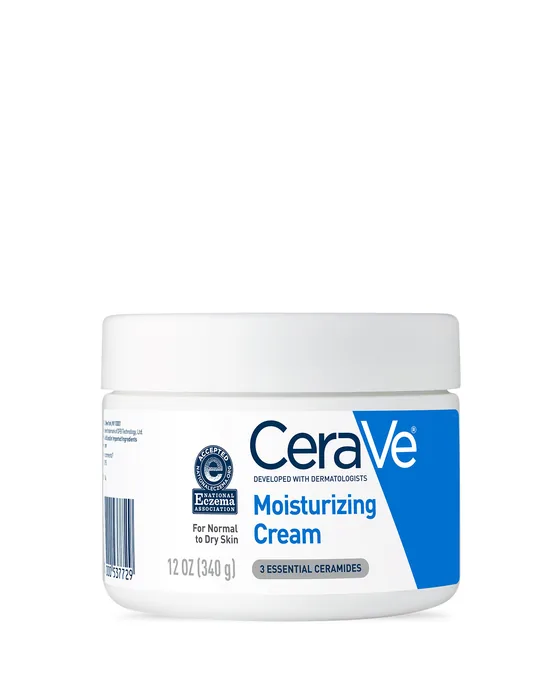
CeraVe is more strongly associated with ceramides and barrier support. That matters because ceramides are skin-identical lipids that help support the barrier and reduce moisture loss. For dry or compromised skin, that ingredient direction makes sense.
Cetaphil often prioritizes mild cleansing, humectants, and easy daily tolerability. The formulas are usually not trying to impress you with a long ingredient story. They are trying to be usable, familiar, and low-drama.
Neither approach is automatically better. The question is whether your skin wants more support on paper or less potential fuss in real life.
Texture and user experience differences
In use, CeraVe moisturizers can feel a bit heavier, thicker, or more utilitarian depending on the product. That is not always a downside. For very dry skin, that substantial feel can be exactly the point.
Cetaphil often feels smoother, lighter, or less coated depending on the product. Some users find that easier under makeup or during the day. Others think it feels less protective if their skin is very dry.
The practical difference is simple: if you like a formula that feels more cushiony and barrier-minded, CeraVe often wins. If you like something gentler-feeling, easier, and less noticeable on the skin, Cetaphil often has the edge.
Cetaphil vs CeraVe ingredients: which formulas make more sense on paper?
Both brands use familiar hydration and barrier-support ingredients, but CeraVe usually looks more impressive on paper.
Here is the useful way to think about it: ingredients matter, but finished-formula performance matters more. A product can have ceramides, niacinamide, and hyaluronic acid and still be a bad fit if the texture feels too heavy or the formula stings your skin. A simpler formula can still win if it helps you stay consistent without irritation.
| Ingredient type | Common role in formula | Where it tends to help most |
|---|---|---|
| Ceramides | Support the skin barrier and reduce moisture loss | Dry, compromised, eczema-prone skin |
| Glycerin | Humectant that helps draw water into the skin | Daily hydration for most skin types |
| Hyaluronic acid | Helps skin feel plumper and more hydrated temporarily | Dehydrated, tight-feeling skin |
| Niacinamide | Supports barrier function and may help with texture and tone | Combination, oily, or stressed skin |
| Occlusives | Help seal in moisture and reduce transepidermal water loss | Very dry, rough, or winter-stressed skin |
These ingredients can support hydration, reduce dryness, and help skin look healthier and smoother. They do not dramatically transform skin overnight. They also do not guarantee the product will feel good on your face.
Why ceramides matter in the CeraVe conversation
Ceramides are a big reason CeraVe gets recommended so often. They are especially useful for dry, compromised, or eczema-prone skin because they help support the barrier. If your skin feels tight, stripped, flaky, or fragile, a ceramide-focused moisturizer often makes practical sense.
This does not mean every ceramide cream is automatically better. It means CeraVe's formula direction is aligned with a real skin need, not just a marketing angle.
Why a simpler formula can still win
Cetaphil's appeal is usually not flashy actives. It is consistent daily use with less drama.
If your skin reacts to richer formulas, stings easily, or seems to get irritated by products that are technically well formulated, a simpler Cetaphil option may end up being the better real-world choice. Formula strength on paper does not always equal better tolerance.
That is the key trade-off in this comparison: CeraVe often wins on ingredient depth, while Cetaphil can win on everyday ease.
Cetaphil vs CeraVe face wash: which cleanser is better for your skin type?
When people search cetaphil vs cerave face wash, they are usually asking a very practical question: which one cleans without leaving my skin stripped?
That is the right question. The best cleanser is not the one with the most hype. It is the one that removes what it needs to remove without leaving your skin squeaky, tight, or uncomfortable afterward.
Both brands do this category well, but with slightly different personalities.
For dry or sensitive skin
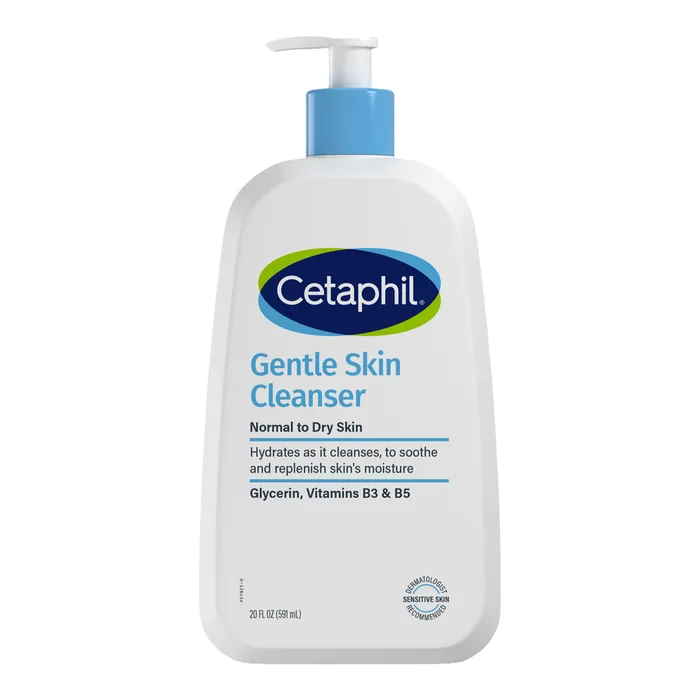
For dry or sensitive skin, both brands offer creamy or low-foam cleansers. Cetaphil often feels milder and more minimal. Its gentler cleansers are usually a safe starting point if your skin hates aggressive washing or reacts easily to actives elsewhere in your routine.
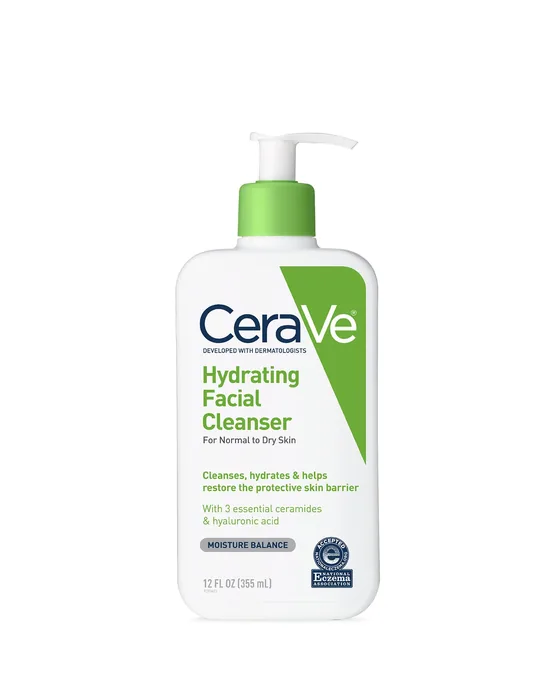
CeraVe's hydrating-style cleansers often make a stronger barrier-support case on paper because of the ceramides and humectants. In use, though, some people love that cushioned after-feel while others find it leaves a bit more residue than they want.
If your priority is the gentlest possible cleanse, Cetaphil often edges ahead. If your priority is cleansing while still feeling barrier-aware and moisturized, CeraVe can be the stronger fit.
For oily or acne-prone skin
For oily or acne-prone skin, both brands offer foaming and blemish-focused options. Here, the trade-off becomes deeper cleansing versus tolerability.
CeraVe often does well for oily or acne-prone users who want a cleanser that feels more active-supportive without being aggressively harsh. The formulas can feel a bit more purposeful for people balancing breakouts and barrier health.
Cetaphil's foaming options can still work well, especially if your acne-prone skin is also sensitive. If your skin gets dry easily from acne products, a gentler Cetaphil cleanser may be the smarter partner to a stronger leave-on treatment.
| Skin type | Better Cetaphil fit | Better CeraVe fit |
|---|---|---|
| Very sensitive | Gentle, low-drama cleansing | If you want barrier-support ingredients built in |
| Dry | Mild cleanse with less after-feel | More cushioned, barrier-aware cleanse |
| Oily | Simple daily wash without overdoing it | Foaming cleanse that still respects the barrier |
| Acne-prone | Good if actives already do the heavy lifting | Good if you want a more active-feeling support product |
In testing, this category usually comes down to after-feel. Cetaphil tends to leave skin feeling calmer and less worked over. CeraVe often leaves skin feeling more supported, but sometimes a bit more coated depending on the cleanser.
Morning use is where Cetaphil often shines for very sensitive skin. Night use is where CeraVe can feel more satisfying if you want a slightly more substantial cleanse after sunscreen and city grime. For heavy makeup removal, neither is a true substitute for a dedicated first cleanse.
Bottom line on cleansers
Choose Cetaphil if you want the gentlest cleanse and your skin is easily irritated, sting-prone, or already dealing with stronger treatments.
Choose CeraVe if you want a cleanser that still feels gentle but offers more barrier-support logic on paper and often a slightly more substantial finish.
Cetaphil vs CeraVe moisturizer: which one gives better value and barrier support?
The cetaphil vs cerave moisturizer question is where the difference between the brands becomes more obvious.
CeraVe often has the stronger barrier-support case. Cetaphil often has the easier day-to-day texture.
That is the real split.
Best moisturizer for dry and compromised skin
If your skin is very dry, compromised, or winter-stressed, CeraVe's thicker cream options usually have the edge. The ceramide-heavy positioning makes sense for barrier support, and these formulas tend to feel more protective.
This is especially true for body use, rough patches, or skin that needs a richer sealing layer. You are usually getting a formula that feels more substantial and more obviously built around moisture retention.
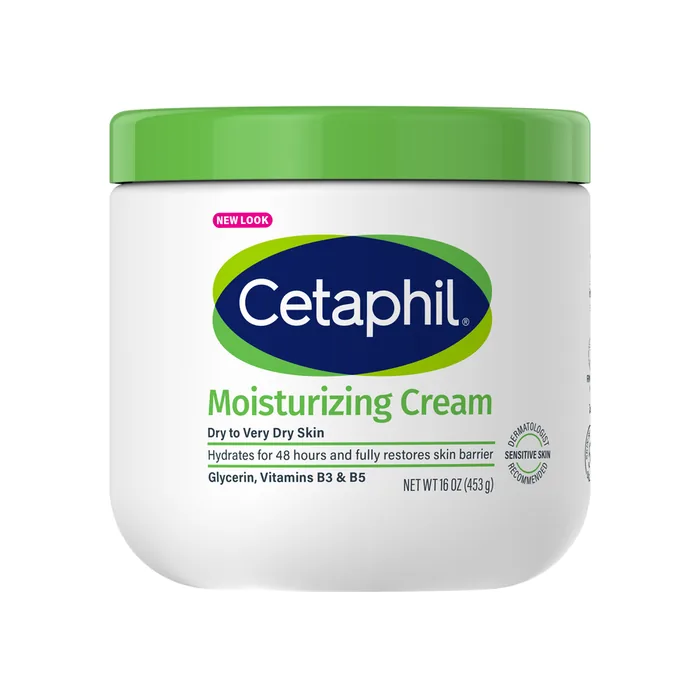
Cetaphil also offers rich creams that can work well for dry skin, but the strongest case for CeraVe here is that it combines rich texture with a more explicit barrier-support profile.
Best moisturizer for normal, combination, or sensitive skin
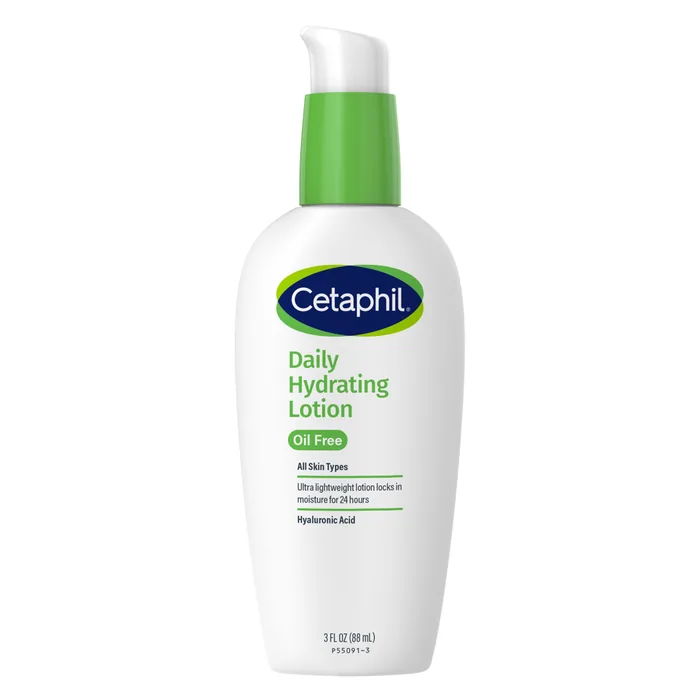
If you have normal, combination, or highly sensitive skin, Cetaphil often becomes more appealing. A lighter lotion or daily moisturizer can feel simpler, less sticky, and easier to use consistently.
That matters more than people think. A moisturizer does not help much if you keep avoiding it because it feels greasy, pills under sunscreen, or sits on top of the skin.
CeraVe can still work for these skin types, especially if dehydration is part of the picture. But if you are choosing for comfort and consistency rather than maximum richness, Cetaphil often feels easier to live with.
Under makeup and daytime wear
This is one of the biggest practical differences.
Cetaphil often feels cleaner under daytime skincare, especially if you are layering sunscreen and makeup. The finish is often smoother and less likely to feel heavy by midday.
CeraVe can be excellent at night or for drier skin, but some products in the line feel richer and can be more prone to pilling depending on what you layer over them. That does not mean they are bad moisturizers. It just means they are not always the most elegant daytime choice for everyone.
| Use case | Cetaphil advantage | CeraVe advantage |
|---|---|---|
| Face moisturizer for daytime | Lighter, cleaner feel | Better if skin is dry and needs more support |
| Rich cream for barrier stress | Can feel gentler and simpler | Stronger barrier-support profile |
| Body moisturizer value | Often easy to use generously | Excellent for dry, rough skin |
| Under makeup | Often smoother and less coated | Better for drier skin if layering works for you |
In value terms, both brands are usually strong. They are widely available, come in practical sizes, and tend to last well. CeraVe can offer better value if your skin clearly benefits from barrier-support ingredients. Cetaphil can offer better value if you actually finish the bottle because the texture feels easier to use every day.
Which is better for eczema, acne, and reactive skin?
This is where people often want one simple answer, but the truth is more conditional.
Both brands can work for eczema-prone, acne-prone, rosacea-leaning, or highly reactive skin. The better choice depends on whether your skin needs more barrier support or fewer possible points of irritation.
If you are managing a diagnosed skin condition, using prescription products, or dealing with severe irritation, it is worth checking with a dermatologist before changing multiple products at once.
Cetaphil vs CeraVe for eczema-prone skin
For eczema-prone skin, CeraVe often has the stronger barrier-support case on paper because of its ceramide-focused formulas. That makes it a common choice for people whose skin feels dry, compromised, and prone to moisture loss.
Cetaphil can still be a very good fit, especially for people who react to richer or more complex formulas. Some users do better with products that feel simpler and less coated.
So the choice is not "eczema equals CeraVe." It is more like this: choose CeraVe if your skin clearly needs stronger barrier support, but consider Cetaphil if your skin is also highly reactive and seems to prefer a softer, simpler formula experience.
Cetaphil vs CeraVe for acne-prone skin
For acne-prone skin, CeraVe often has a slight edge because many of its lighter facial moisturizers and cleansers balance barrier support with practical daily wear. That can be useful when acne treatments are already drying your skin out.
Cetaphil still works well if your acne-prone skin is also sensitive and gets angry easily. In that case, the gentler feel may be more important than a more ingredient-stacked formula.
The bigger point is that breakouts and barrier health have to be managed together. A cleanser that feels clean but strips your skin is not helping. A moisturizer that protects the barrier but feels too heavy for your skin is not ideal either.
When neither brand is enough
This matters.
If you have persistent eczema flares, severe irritation, stinging that keeps happening, or acne that does not improve with a sensible routine, endless product switching is usually not the answer. Topical basics can improve comfort, dryness, and tolerance. They are not a cure-all.
A dermatologist may be more helpful than buying your fourth gentle cleanser.
What online reviews get right, what they miss, and the final verdict
If you spend time on Reddit or review sections, the same patterns come up over and over in the cetaphil vs cerave reddit debate.
People praise CeraVe for helping dry, damaged, or acne-treated skin feel more supported. They complain that some formulas feel heavy, pill, or cause stinging on already sensitized skin.
People praise Cetaphil for feeling gentle, simple, and easy to tolerate. They complain that some products feel too basic, less rich, or not substantial enough for severe dryness.
Those patterns are useful, but they are not proof. One person calling a product a holy grail and another calling it useless usually reflects a skin mismatch, not fraud.
That is why brand wars around basic skincare are often pointless. Both brands make solid products. The gap is in fit.
Final brand verdict by skin goal
| Skin goal | Better fit | Why |
|---|---|---|
| Very dry or barrier-stressed skin | CeraVe | Stronger ceramide and barrier-support positioning |
| Very sensitive, easily irritated skin | Cetaphil | Often simpler, gentler, lower-drama feel |
| Acne-prone skin using drying treatments | CeraVe | Barrier support can help offset treatment dryness |
| Simple minimalist routine | Cetaphil | Straightforward basics that are easy to tolerate |
| Barrier-focused routine | CeraVe | More ingredient depth in many core products |
| Gentle cleansing | Cetaphil | Often milder in feel and less fussy |
| Everyday daytime moisturizing | Cetaphil for many, CeraVe for drier skin | Depends on whether you want lighter wear or richer support |
Here is the cleanest verdict:
- Best for barrier support: CeraVe
- Best for minimalist gentleness: Cetaphil
- Best for cleansing: Cetaphil if you want the mildest experience, CeraVe if you want gentle plus barrier support
- Best for everyday moisturizing: CeraVe for drier skin, Cetaphil for lighter daytime comfort
Buy CeraVe if your skin is dry, compromised, acne-treated, or you specifically want ceramides built into your basics.
Buy Cetaphil if your skin is highly reactive, you prefer simpler textures, or you want a routine that feels gentler and easier to tolerate.
Skip both if you are expecting a cleanser or moisturizer to fix deeper skin issues on its own. Good basics can improve dryness, comfort, and irritation patterns. They will not solve every skin concern overnight.
If you are weighing other gentle drugstore brands, see our La Roche-Posay vs CeraVe comparison next.
Realistic expectations before you buy
Switching cleanser or moisturizer can absolutely improve how your skin feels. It can reduce dryness, make the barrier feel calmer, and help support better tolerance overall.
What it will not do is instantly fix chronic acne, erase inflammation, or resolve severe eczema flares by itself.
That is why this choice should be practical. Pick the brand that your skin is most likely to tolerate and that you will actually use consistently.
Editor's update · August 2, 2026
For this August 2026 update we re-verified availability and pricing across US drugstores. CeraVe's ceramide-led range still leads for barrier repair, and Cetaphil's plainer, gentler formulas still win for the simplest sensitive-skin routine; neither has changed enough to move our recommendation.