La Roche-Posay vs CeraVe at a glance
Neither brand is universally better. The smarter question is which one fits your skin type, budget, and routine step better. This is not a brand-loyalty contest. It is a practical comparison of where each brand tends to perform best in real shopping categories: cleanser, moisturizer, sunscreen, acne care, and retinoid products.
At a high level, CeraVe is usually the easier starting point for affordable, barrier-first skincare. La Roche-Posay tends to offer a broader treatment angle, more cosmetically refined sunscreen options, and a stronger dermocosmetic identity. That does not automatically make it better. It often just means you are paying more for a different formula style and category strength.
Quick verdict by shopper type
| Shopper type | Better place to start |
|---|---|
| Tight budget, simple routine, barrier support first | CeraVe |
| Sensitive skin that still wants more treatment options | La Roche-Posay |
| Need a practical cleanser and basic moisturizer | CeraVe |
| Care most about sunscreen wearability and finish | La Roche-Posay |
| Want to mix affordable basics with more refined treatment products | Use both |
If you want the shortest answer: start with CeraVe for cleansers and basic moisturizers, consider La Roche-Posay for sunscreen and certain treatment-led products, and do not feel like you need to choose one side for your entire routine.
What this comparison can and cannot tell you
This comparison can tell you where each brand usually makes more sense by category, budget, and skin type. It cannot tell you that one brand wins every product matchup. Both brands have stronger and weaker formulas. Product lines also vary by region, and your individual tolerance matters more than online hype. A cleanser that works beautifully for one person can feel filmy, drying, or stingy on someone else.
Brand background, scale, and market position
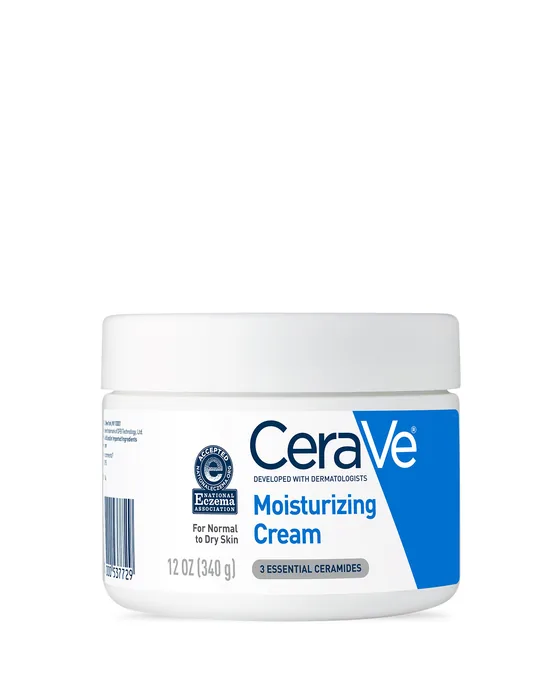
CeraVe launched in the US in 2005 with a straightforward dermatologist-developed message built around ceramides, barrier support, and accessible daily skincare. It grew fast because it made basic skincare feel less intimidating and more affordable.
La Roche-Posay has deeper roots in French pharmacy skincare and is also owned by L'Oreal. Its identity is more dermocosmetic and treatment-adjacent, with a longer history in sensitive-skin positioning and a broader international pharmacy presence.
| Brand | Background | Market position | Core identity |
|---|---|---|---|
| CeraVe | Launched in the US in 2005 | Mass-market skincare | Barrier-first, practical, dermatologist-developed basics |
| La Roche-Posay | French pharmacy heritage, now global under L'Oreal | Premium-mass dermocosmetic skincare | Sensitive-skin focused with broader treatment and sunscreen reach |
Both brands cover a lot of ground: cleansers, facial moisturizers, body care, acne products, retinoid products, and family-friendly basics. The biggest category gap is usually sunscreen. La Roche-Posay often has the stronger reputation there because the textures, daily-wear feel, and broader sunscreen development focus tend to be more polished.
Where to buy online and in stores
Both brands are widely available, which is part of why this comparison comes up so often.
| Retail channel | CeraVe | La Roche-Posay |
|---|---|---|
| Official website | Yes | Yes |
| Amazon | Yes | Yes |
| Ulta | Often available | Often available |
| Target | Common | Common in many locations |
| Walmart | Common | Common in many locations |
| CVS / Walgreens | Very common | Very common |
| Dermatology offices | Less of a focus | More common |
| Pharmacies outside the US | Variable | Often stronger |
Accessibility matters. If you want a no-effort repurchase at Target, CVS, Walmart, or Amazon, both are easy to find. If you travel internationally or prefer pharmacy skincare, La Roche-Posay often has the stronger footprint.
Formula philosophy: ingredients, textures, and what each brand does best
CeraVe leans hard on a familiar ingredient story: ceramides, hyaluronic acid, and often niacinamide, with a heavy emphasis on barrier support. The formulas are usually simple, practical, and designed to slot into uncomplicated routines.
La Roche-Posay also does barrier support, but it often pairs that with a broader treatment mindset. Depending on the line, you will see targeted actives, acne care, retinoid products, pigment-focused products, and the brand's thermal spring water positioning. The brand often feels more category-specialized.
Texture is where many shoppers notice the difference fastest. CeraVe often feels functional and straightforward. Some products are excellent value, but not especially elegant. La Roche-Posay often feels more refined on the skin, especially in facial moisturizers and sunscreens, though that polish usually comes with a higher price.
Fragrance and irritation risk should be judged product by product, not by brand mythology. Both brands have sensitive-skin-friendly options. Both also sell active-based products that can still sting, especially if your barrier is compromised.
CeraVe formula strengths and limitations
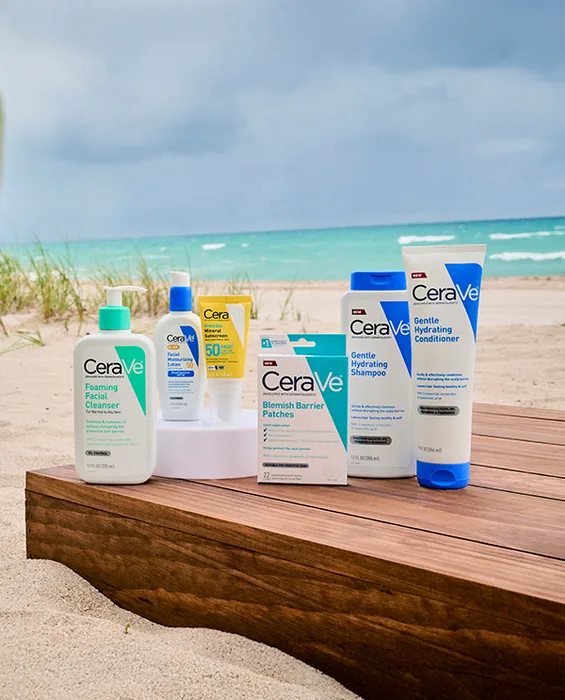
CeraVe's strengths are easy to understand: barrier support, value sizing, and simple routine-building. The brand makes sense for people who want a cleanser that does not try to do too much, a moisturizer that covers the basics, and body care that is easy to keep repurchasing.
Its limitations are mostly about experience and finish. Some users find certain CeraVe products thick, plain, or less elegant under makeup. The formulas often make more sense as reliable basics than as exciting treatment products.
La Roche-Posay formula strengths and limitations
La Roche-Posay's strengths are range, sunscreen reputation, and more polished textures. It often does a better job in categories where wearability matters, especially sunscreen and some lightweight facial products.
The limitation is price. Not every La Roche-Posay product is automatically better because it costs more. Sometimes you are paying for a nicer texture, stronger category specialization, or premium-mass positioning rather than dramatically better barrier support.
Head-to-head by category: cleanser, moisturizer, sunscreen, acne, and retinoid
The most useful way to compare these brands is by product category, not by declaring one overall winner.
Cleanser
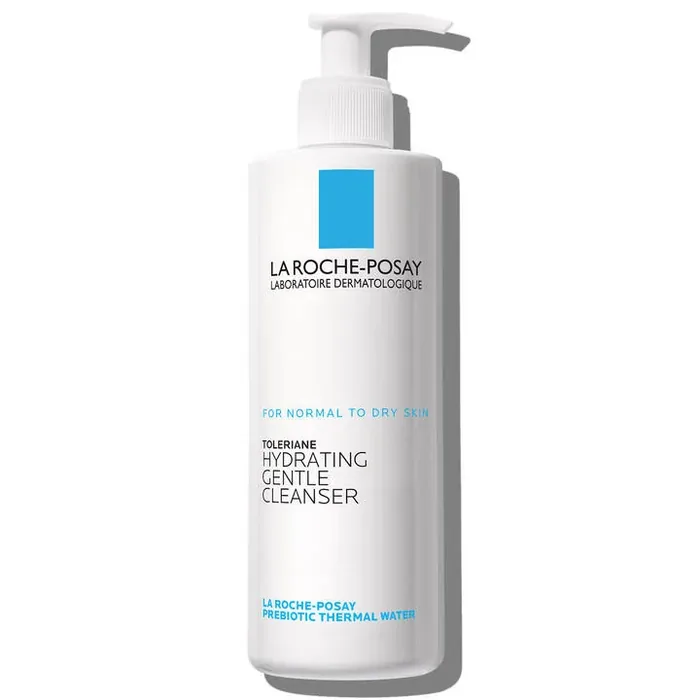
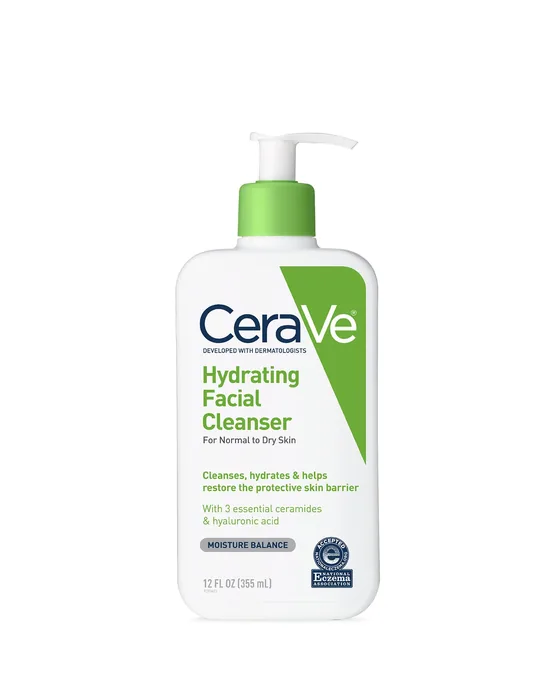
For basic, non-stripping cleansing, CeraVe often has the edge on value. Its hydrating and foaming cleansers are widely used because they are simple, accessible, and easy to fit into a routine. La Roche-Posay tends to edge ahead if you want a cleanser that feels a bit more cosmetically polished, or if you are choosing within treatment-oriented lines like Toleriane or Effaclar.
| Category | CeraVe | La Roche-Posay | Best for |
|---|---|---|---|
| Hydrating cleanser | Straightforward, gentle, value-focused | Often smoother-feeling and slightly more refined | CeraVe for value, La Roche-Posay for feel |
| Foaming cleanser | Practical for normal to oily skin | Often feels a bit more targeted by line | Oily and combination skin |
| Acne-oriented cleanser | Usually simpler | Often stronger treatment identity in Effaclar | Acne-prone shoppers wanting treatment-led options |
Moisturizer
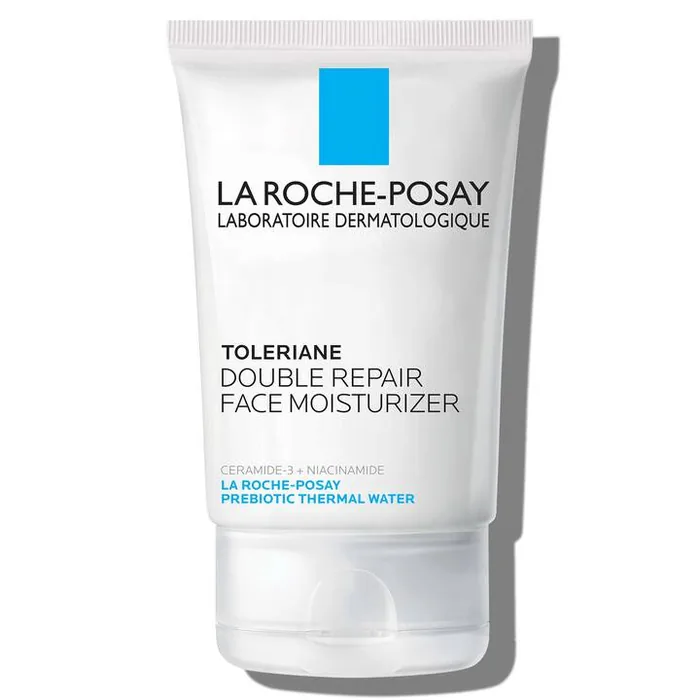
CeraVe moisturizers are usually better value per ounce and strong on ceramide-based barrier support. They work well for dry skin, face-and-body use, and routines where function matters more than finish. La Roche-Posay moisturizers often feel lighter, more refined, or easier to layer, especially in facial ranges like Toleriane.
| Moisturizer factor | CeraVe | La Roche-Posay |
|---|---|---|
| Barrier support | Strong | Strong |
| Value per ounce | Usually better | Usually weaker |
| Rich dry-skin comfort | Very good | Very good, depending on line |
| Lightweight facial elegance | More variable | Often stronger |
| Makeup layering | Can be fine, some formulas feel heavier | Often more polished |
| Family and body use | Excellent | Good, but usually pricier |
Sunscreen, acne, and retinoid
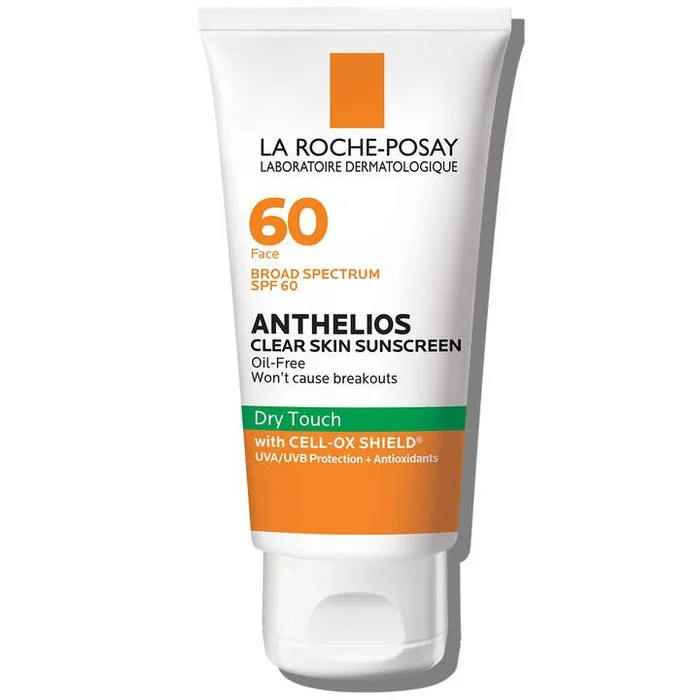
This is where La Roche-Posay often pulls ahead for many shoppers. In sunscreen, it usually has the stronger reputation for cosmetic elegance, daily wear, and oily-skin friendliness. CeraVe sunscreens can be perfectly serviceable, especially if you prioritize moisture and accessibility, but they are not usually the category people point to as the brand's strongest advantage.
For acne, La Roche-Posay often feels more treatment-led, while CeraVe tends to be simpler and easier for routine support. For retinoid products, La Roche-Posay may appeal more if you want a more targeted treatment identity, while CeraVe can be a gentler starting point depending on the exact formula.
| Category | CeraVe | La Roche-Posay |
|---|---|---|
| Sunscreen | Accessible, practical, sometimes less elegant | Often stronger for finish, daily wear, and oily-skin use |
| Acne care | Simpler, routine-friendly | Broader treatment angle, often stronger acne identity |
| Retinoid products | Good for cautious beginners in some cases | Often more treatment-positioned, but tolerance matters |
A gentler option is not worse just because it is less active-driven on paper. If you know your skin gets irritated easily, the product you will tolerate consistently is usually the better one.
Which is better for your skin type and budget?
If you are asking whether CeraVe or La Roche-Posay is better for oily, sensitive, dry, acne-prone, or mature skin, the answer changes by concern and product category.
Oily, acne-prone, and combination skin
La Roche-Posay often edges ahead if you want treatment-led acne options or a sunscreen that feels lighter and more wearable day to day. CeraVe still makes sense if your skin mainly needs a simple cleanser or lightweight moisturizer without a more aggressive treatment feel.
Dry, sensitive, and barrier-damaged skin
CeraVe is often the better value for dry or barrier-stressed skin, especially if you want rich creams, larger sizes, and uncomplicated barrier support. La Roche-Posay becomes more compelling if you want sensitive-skin positioning with a more elegant feel, especially in Toleriane or richer body-focused lines like Lipikar.
When budget is the deciding factor
If cost per ounce is driving the decision, CeraVe usually wins. The brand often offers better value sizing, jumbo formats, and routine basics that do the job without a big markup for cosmetic elegance.
| Budget question | Better answer |
|---|---|
| Cheapest reliable barrier cleanser or cream | CeraVe |
| Better sunscreen experience worth paying for | La Roche-Posay |
| Best value for face and body use | CeraVe |
| Better premium-mass dermocosmetic experience | La Roche-Posay |
Final verdict: La Roche-Posay, CeraVe, or both?
CeraVe is usually the better starting point for affordable barrier care. La Roche-Posay often wins when sunscreen elegance, targeted treatment lines, or more refined textures matter more.
Neither brand is magic. No single cleanser or moisturizer fixes every concern, and your skin's response matters more than internet loyalty. A product that pills, feels greasy, stings, or never gets used is not the right product for you, even if it is the internet favorite.
| Routine step | Better default pick |
|---|---|
| Cleanser | CeraVe for value, La Roche-Posay for a more refined feel |
| Moisturizer | CeraVe for barrier value, La Roche-Posay for elegant facial textures |
| Sunscreen | La Roche-Posay |
| Acne treatment | La Roche-Posay if you want more treatment-led options |
| Retinoid | Depends on tolerance and formula, not just brand name |
In other words, mixing the best product from each brand is often smarter than choosing a side. Both brands also make eye creams we cover in the best eye cream for wrinkles guide, and if you are weighing other drugstore giants, see our Neutrogena vs Olay comparison.
Editor's update · August 2, 2026
This August 2026 refresh re-verified pricing and stock. La Roche-Posay's thermal-water Toleriane range and standout Anthelios sunscreens still justify its small premium, while CeraVe remains the best-value ceramide barrier line; many readers still do well using both.