What it does
A coenzyme found in every living cell that supports energy production (ATP) and DNA repair. Levels decline with age, which is why it has become a popular longevity ingredient.
Best for
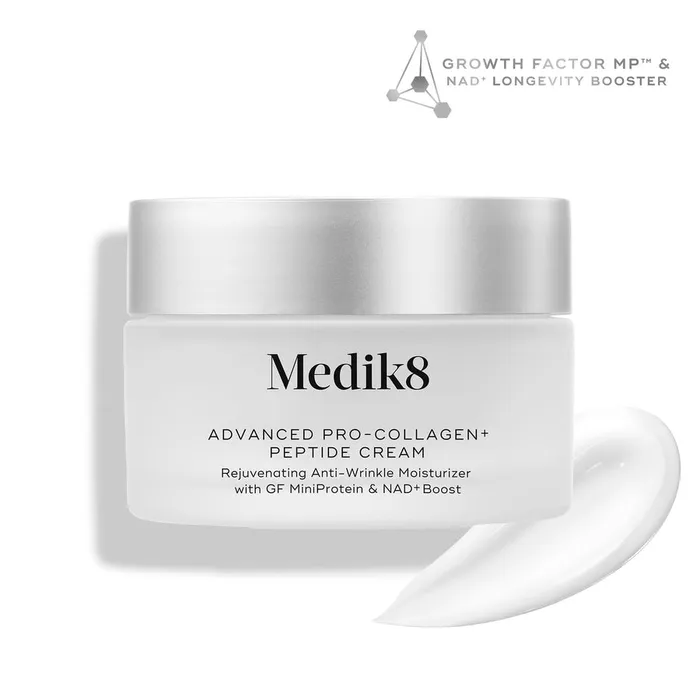
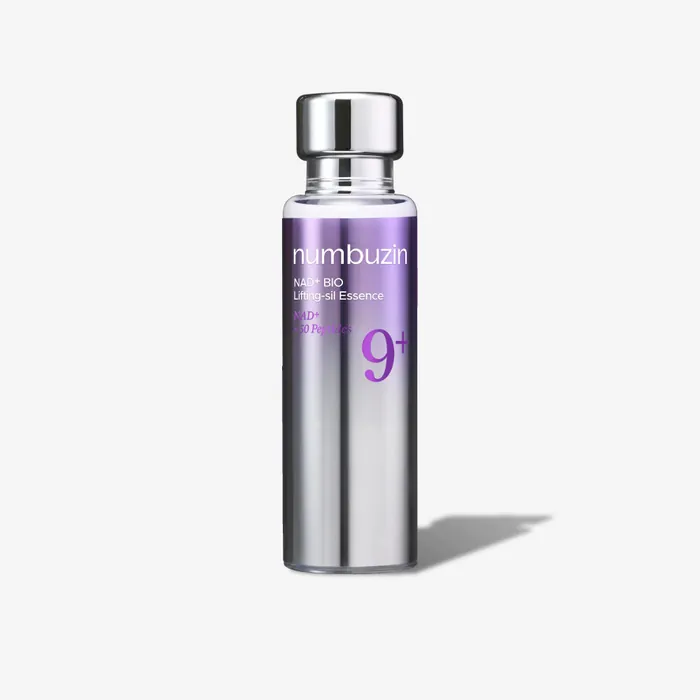
Mature skin and routine-builders looking for emerging longevity-science ingredients. Used in numbuzin's No.9 line and in Medik8's Pro-Collagen+ Peptide Cream as 'NAD+ Longevity Booster'.
What is NAD+?
NAD+ stands for nicotinamide adenine dinucleotide, a coenzyme present in every living cell. It shuttles electrons during metabolism and acts as fuel and cofactor for repair enzymes such as sirtuins and PARPs. In skin, that machinery supports keratinocyte turnover, barrier lipid production, and the cellular stress response. NAD+ levels decline with age and after UV exposure, which is the observation that launched a wave of longevity supplements, IV drips, and now creams.
The leap from that biology to a topical product is where honesty matters. Being essential inside the cell does not mean a molecule painted on the surface reaches the cell in a meaningful amount. NAD+ is large, water-loving, electrically charged, and chemically fragile, which is close to a worst-case profile for skin penetration.
What it does, and what it does not do
Inside the body, NAD+ is genuinely central to energy and repair. On the skin, the realistic story is narrower.
- May support the look of dull, tired, or stressed skin by feeding cellular energy pathways, mostly in theory or through precursors.
- Can pair with barrier ingredients so skin looks smoother and more resilient over time.
- Does not cure, erase, or reverse aging, and cannot deliver the systemic effects studied with oral or IV dosing.
- Does not reliably penetrate as intact NAD+ without help from encapsulation or a converted precursor.
A useful mental model: the exciting NAD+ headlines almost always come from swallowed or injected forms measured in blood and organs. A cream is a different delivery route with different rules, and the evidence does not carry over.
How the evidence actually stacks up
| Form and route | What the research shows | Relevance to a cream |
|---|---|---|
| Oral or IV NAD+ and precursors | Most of the longevity buzz; measured systemically | Low, different delivery route |
| Raw topical NAD+ | Thin, early, penetration-limited | Direct but weak |
| Encapsulated or liposomal NAD+ | Small lab and early studies suggest better delivery | Promising, not yet proven on skin appearance |
| Topical niacinamide (precursor) | Repeated clinical support for tone, barrier, fine lines | Strongest practical evidence |
In a 2021 review in the journal Antioxidants, researchers describe how supplying nicotinamide restores the skin cell NAD+ pool and mitochondrial energetics, supports barrier components like ceramides and filaggrin, and eases oxidative stress. The catch is that this work centers on the precursor, not on NAD+ smeared on directly. An older clinical study in Experimental Dermatology found a lipophilic niacin derivative, myristyl nicotinate, raised skin NAD by about 25 percent and improved barrier measures, again pointing to derivatives and precursors rather than raw NAD+ as the workable route.
Who it suits and how to use it
NAD+ makes sense for someone curious about the longevity trend who wants an energy-and-barrier framing, particularly on skin that looks dull, fatigued, or mature. If your goal is documented, measurable improvement in tone and fine lines, niacinamide is the more sensible pick, since it is the precursor skin readily converts into NAD+ and it is far better studied.
Practical tips:
- Treat NAD+ as a supporting act, not a headliner. Build your routine around proven actives and let NAD+ ride along.
- Look for encapsulated or liposomal delivery and opaque, air-tight packaging, since the raw molecule degrades with light and heat.
- Apply to clean skin, then seal with a moisturizer and daily sunscreen, the single most reliable step for the look of aging skin.
- Patch test first, though topical B3 compounds are generally well tolerated.
Myth versus realistic expectations
The myth is that a molecule famous for cellular energy and longevity must rejuvenate skin from a jar. Reality: essential biology plus poor penetration plus an unstable molecule equals modest, unproven cosmetic benefit for raw topical NAD+. The credible payoff lives in precursors and clever delivery, not in the NAD+ label itself. Judge a product by its full formula and its precursor content, keep expectations grounded, and remember that consistent barrier care and sun protection outperform any single trendy molecule for how skin looks over time.
Evidence
NAD+ supplementation has been linked to cellular repair and energy metabolism. Topical efficacy on human skin is still emerging research.
Read the source: PMC: nicotinamide (niacinamide) to control skin aging and pigmentation ->Reviewed August 2, 2026: Reviewed August 2026. NAD and its precursors such as niacinamide remain an area of active interest for skin energy and aging; topical NAD itself still rests more on mechanism than on robust independent trials.