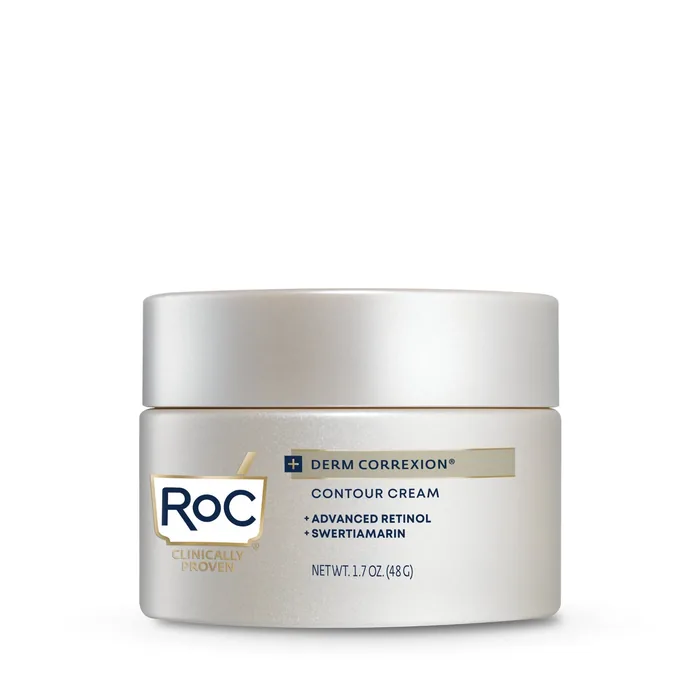
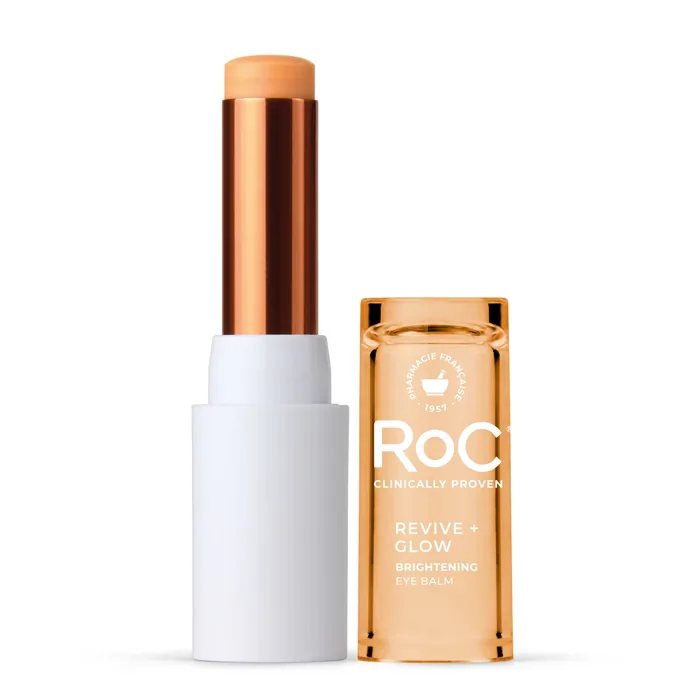
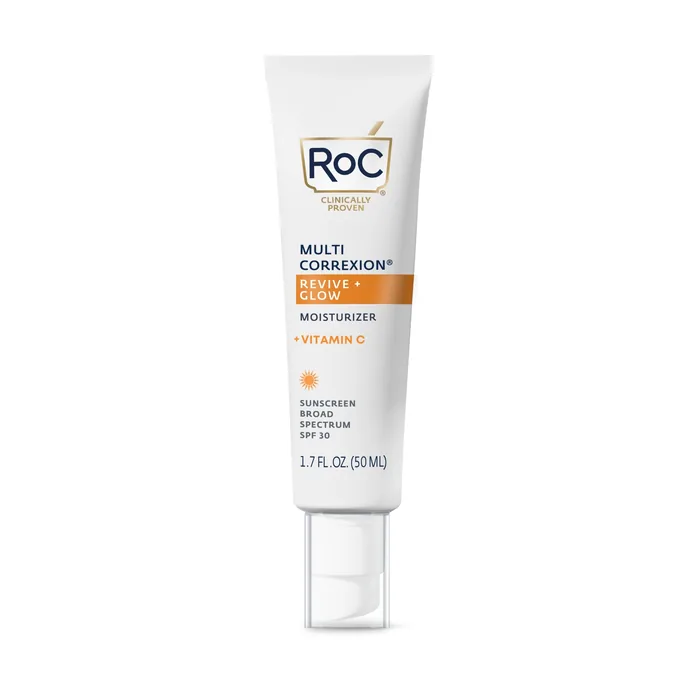
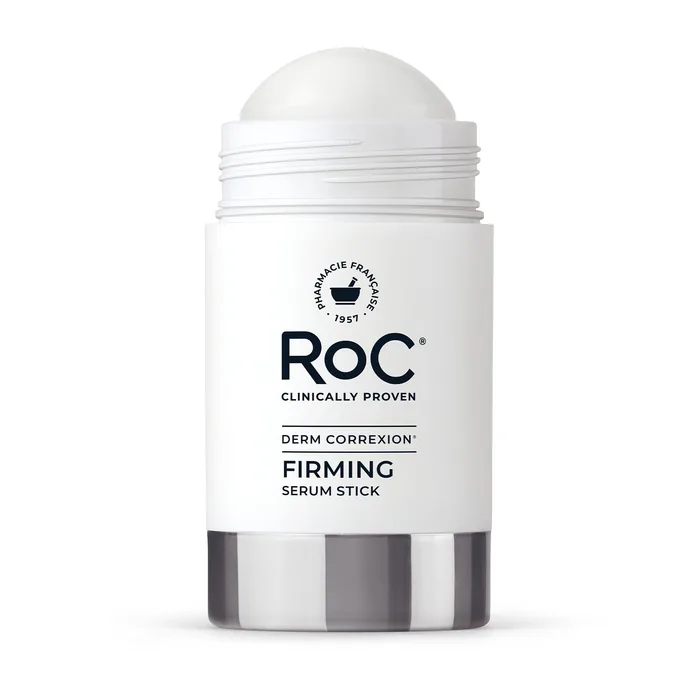
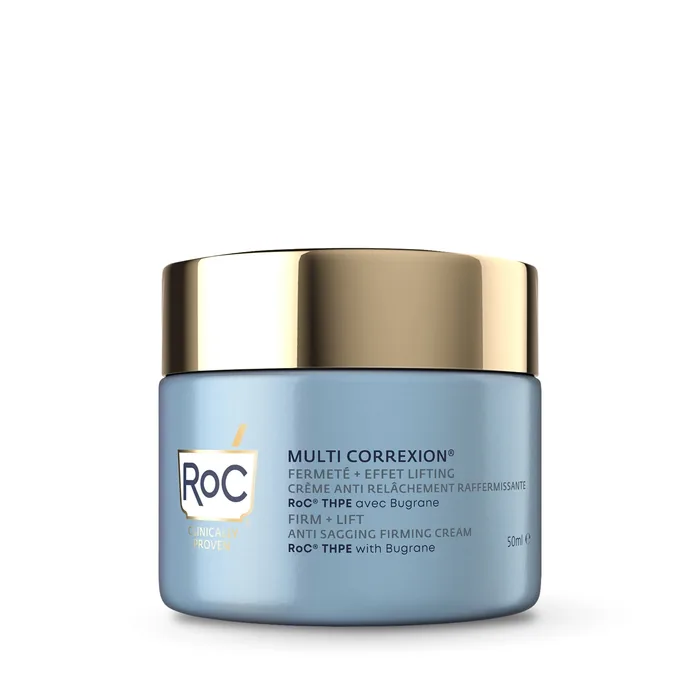
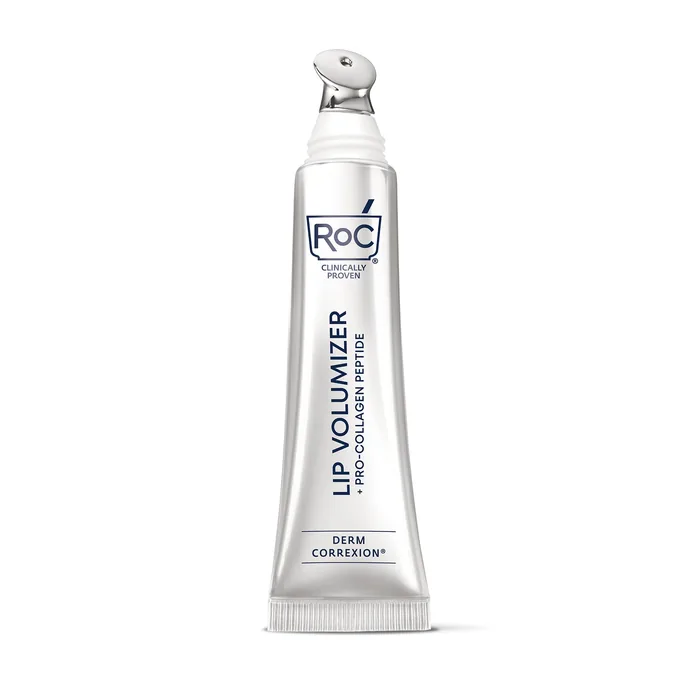
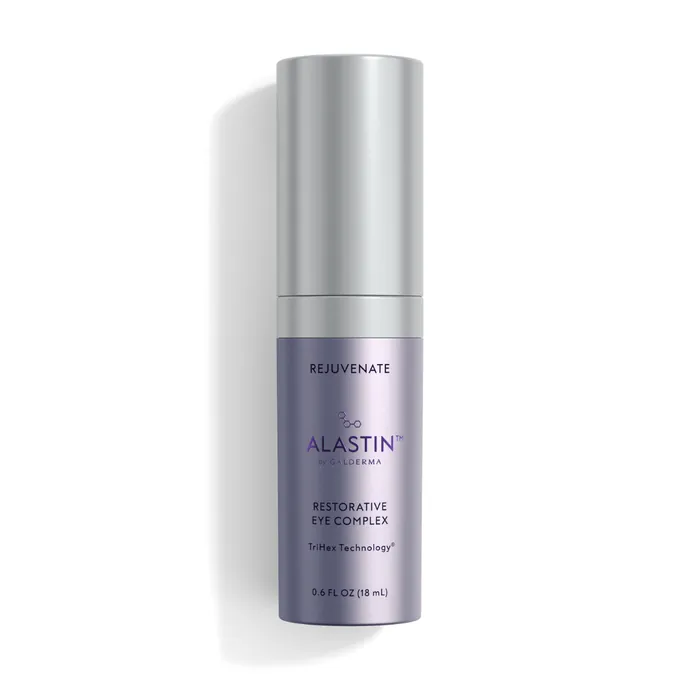
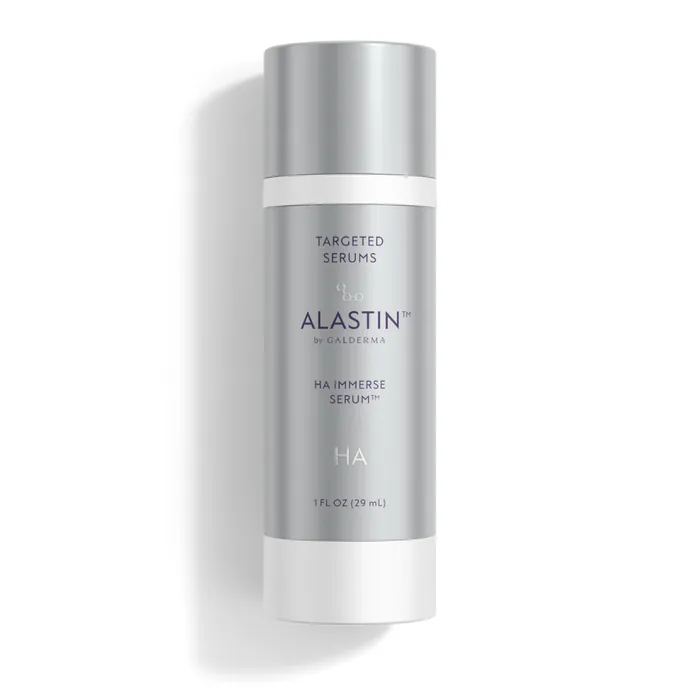
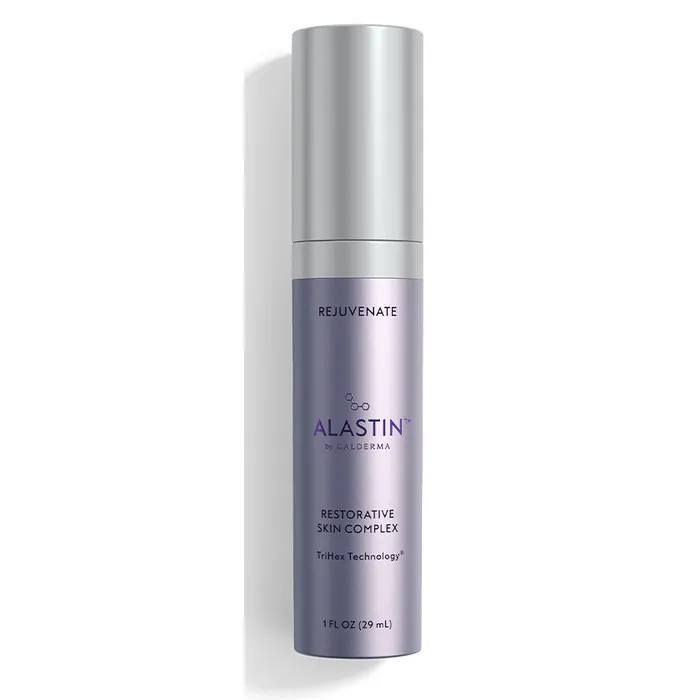
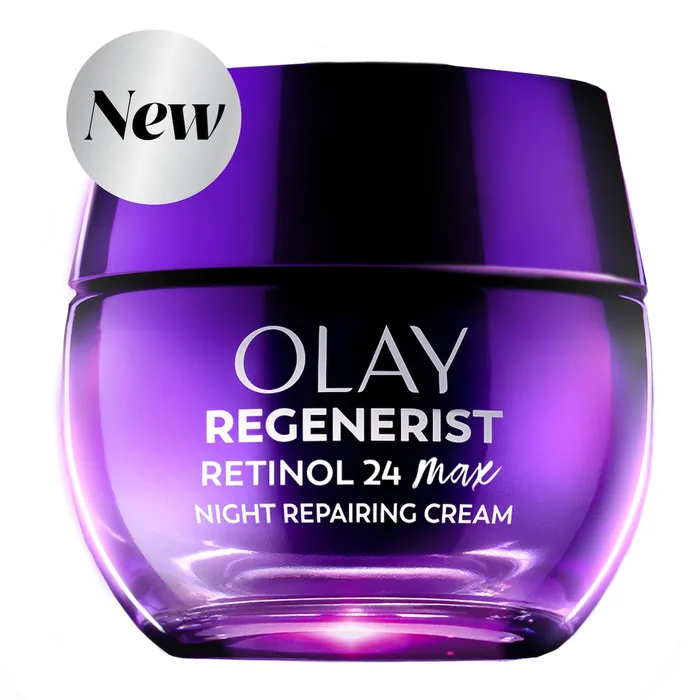
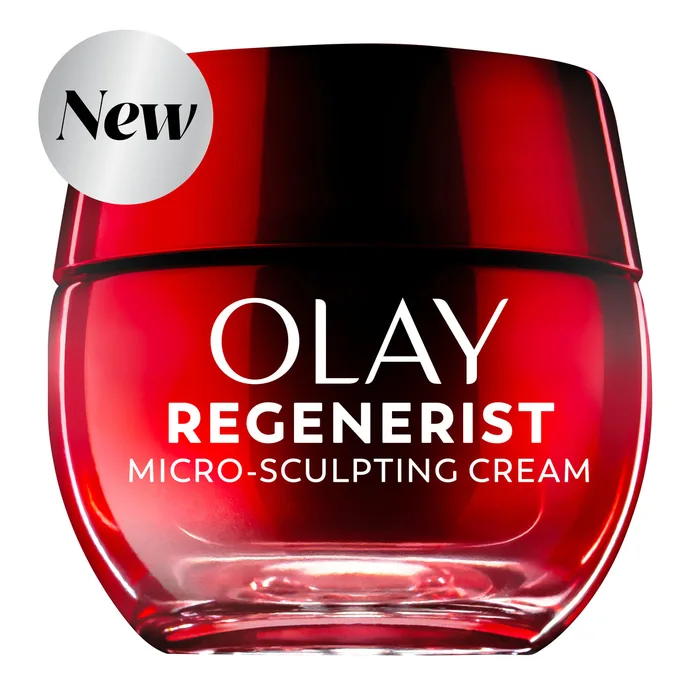
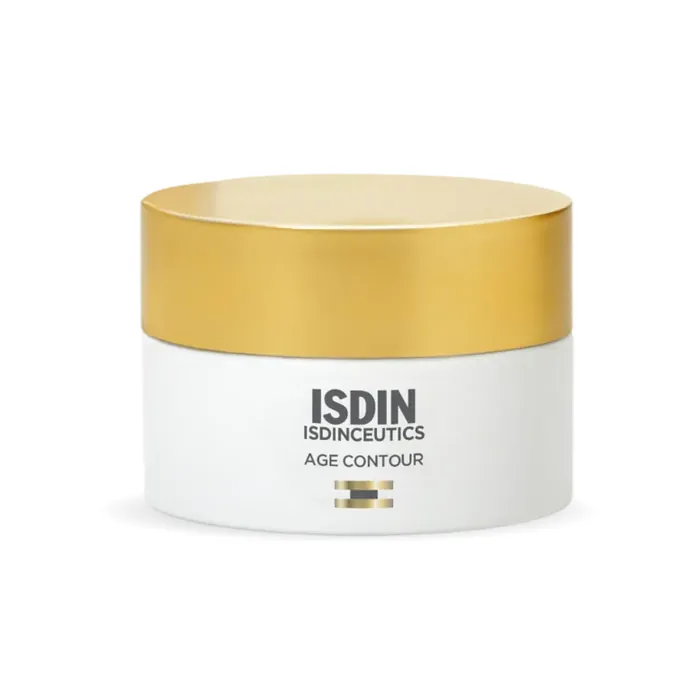
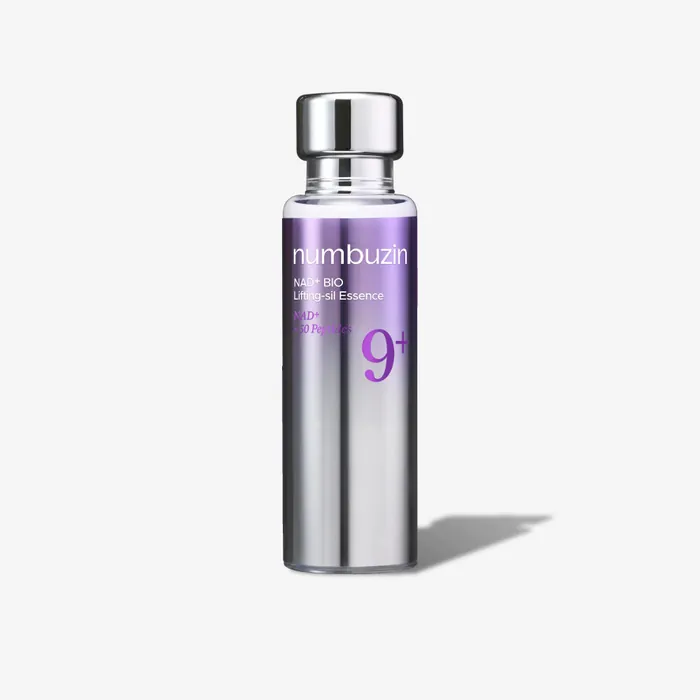
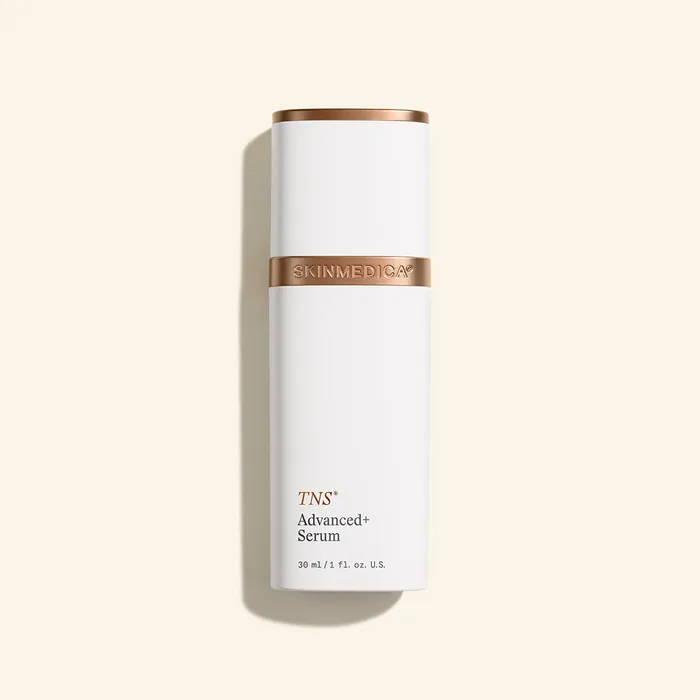
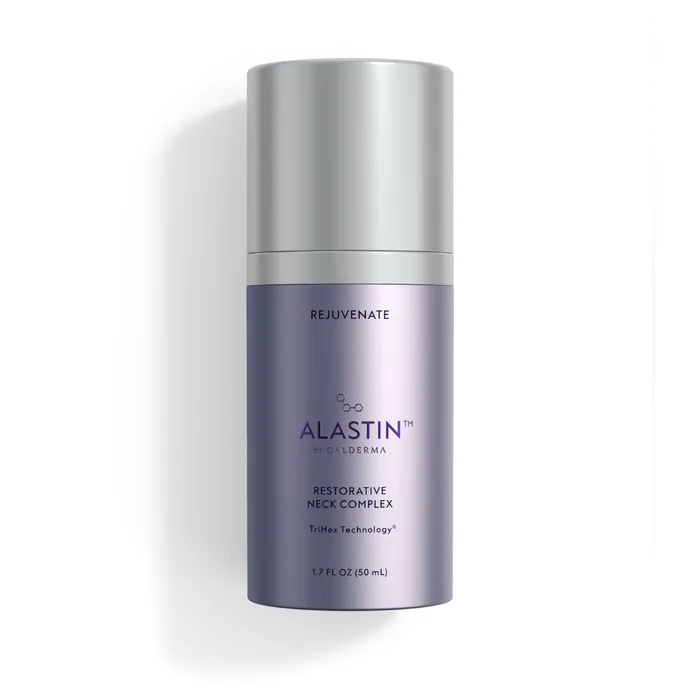
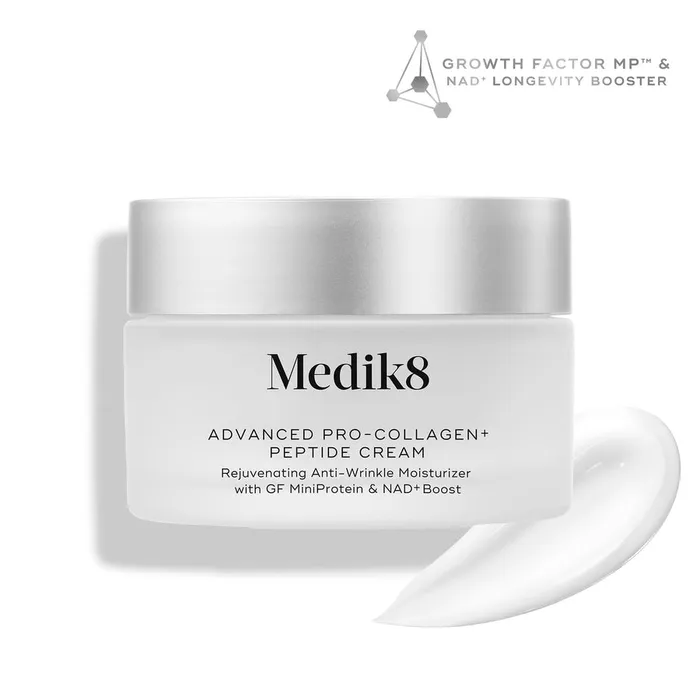
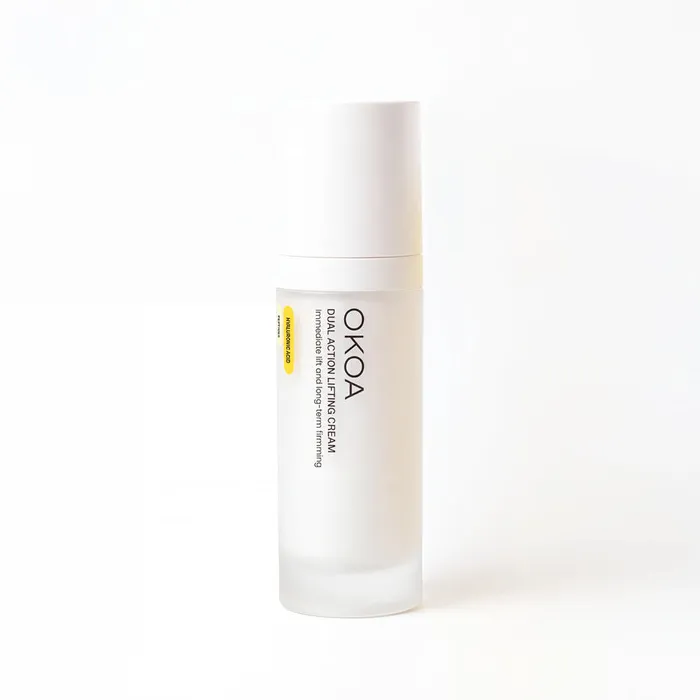
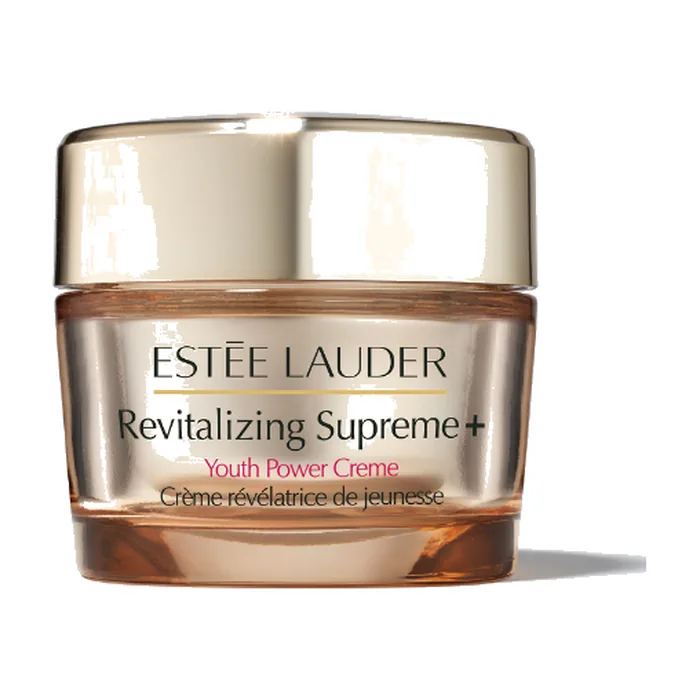
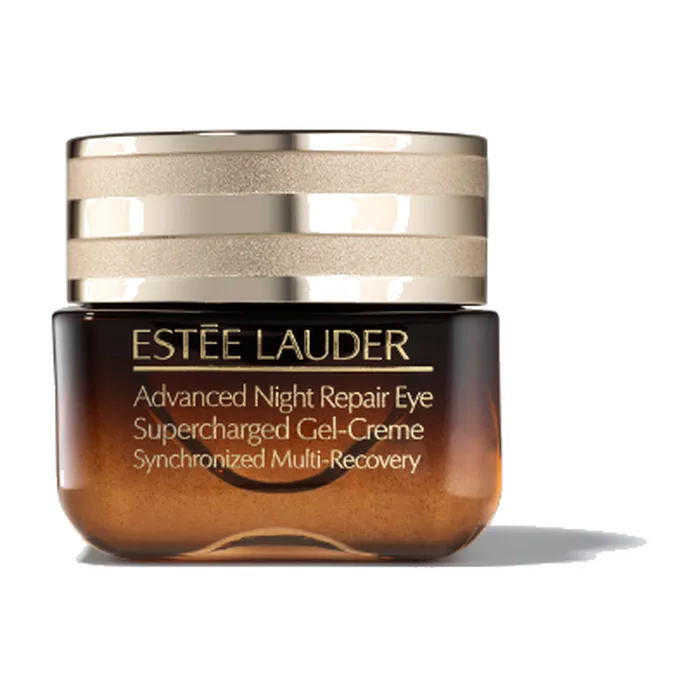
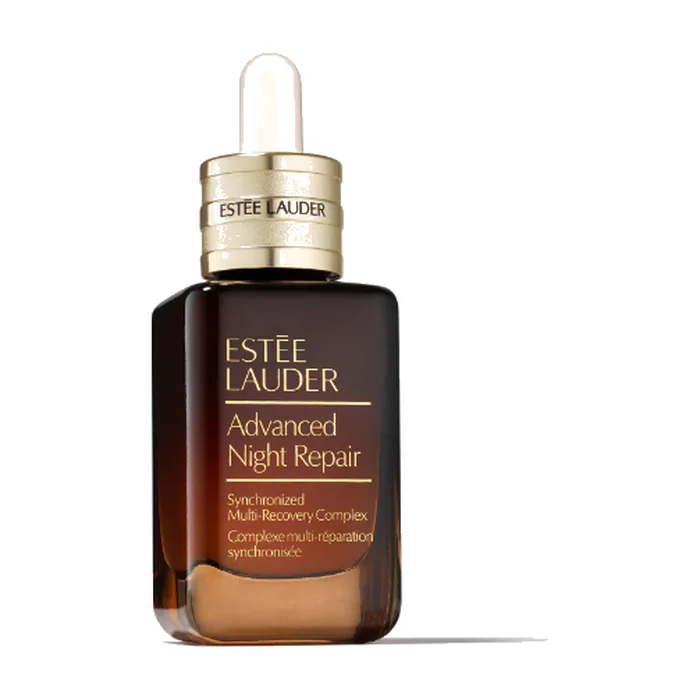
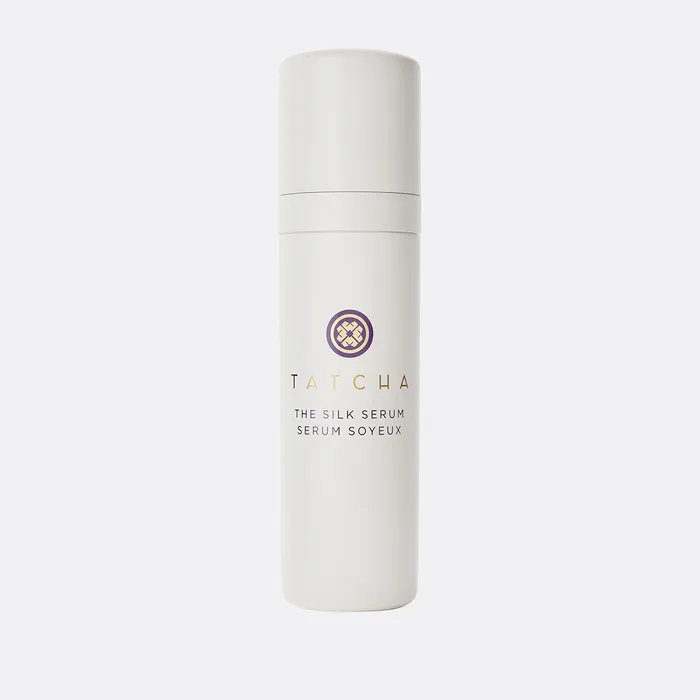
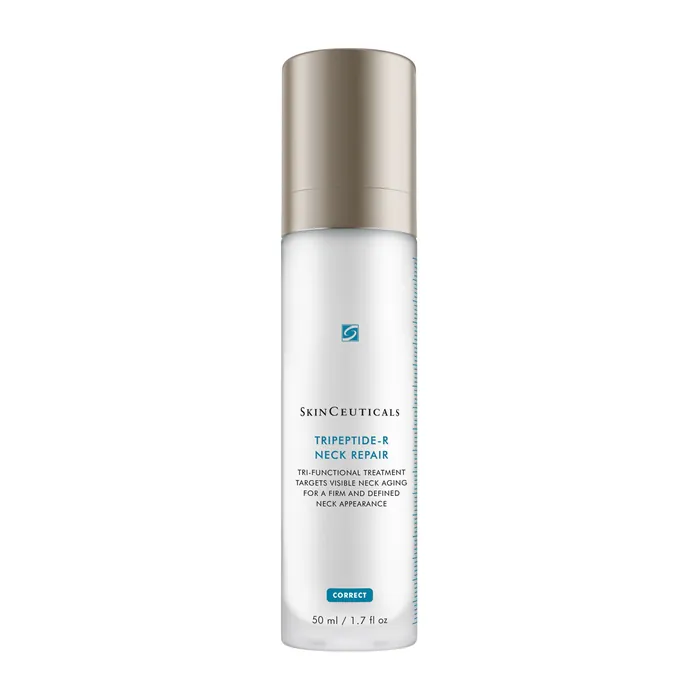
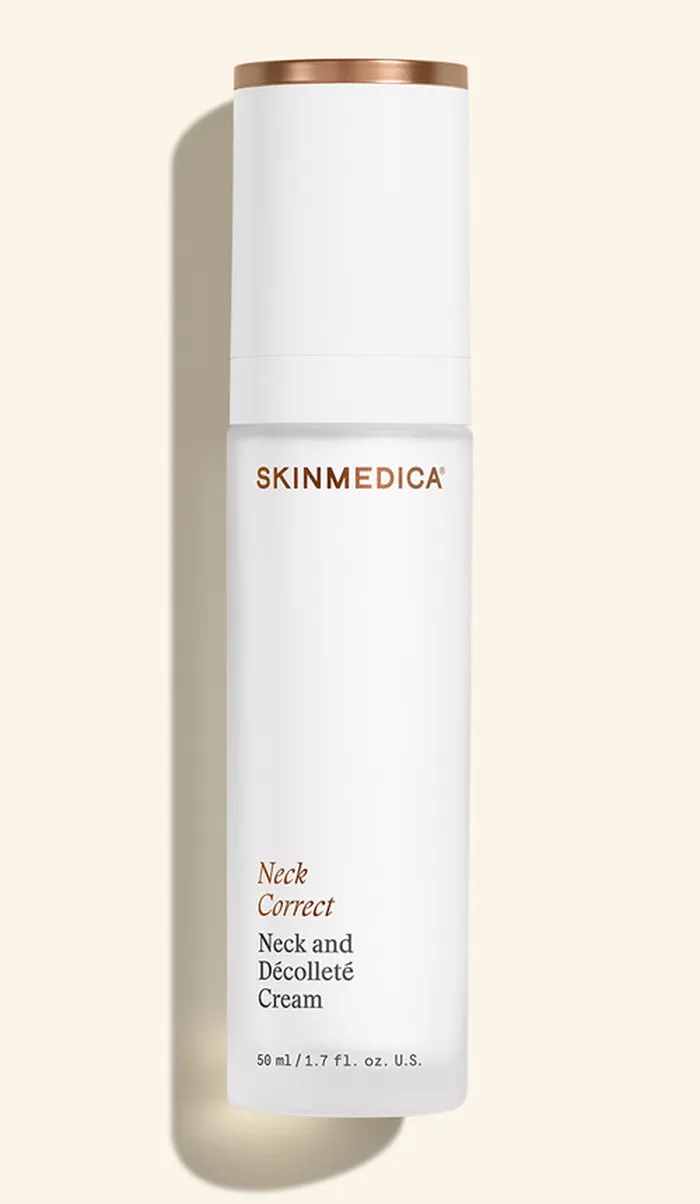
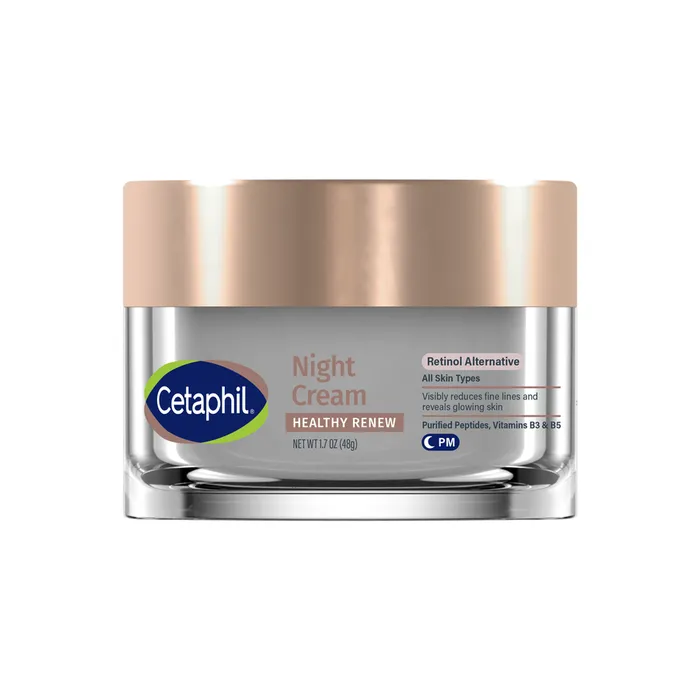
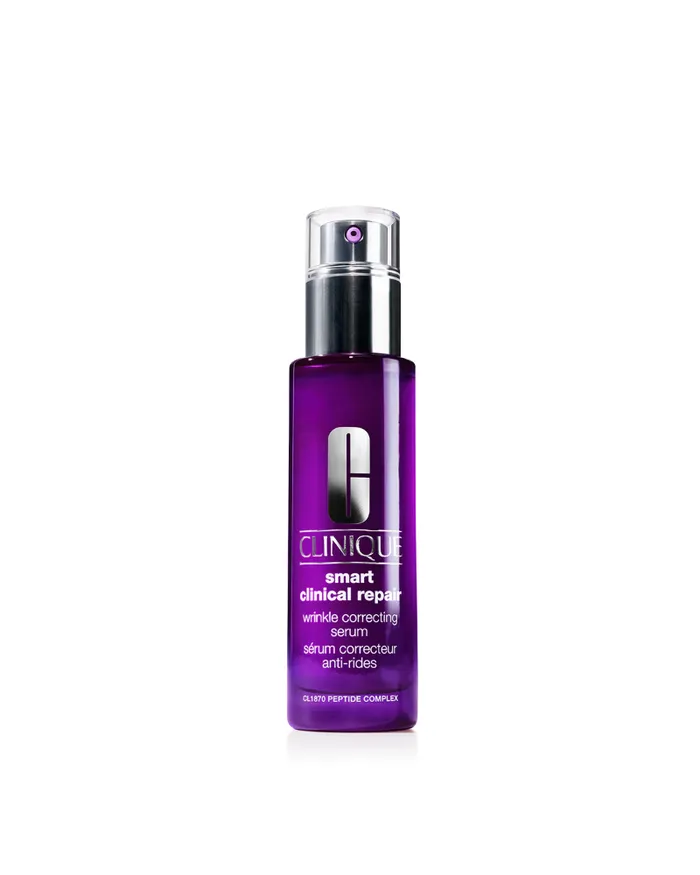
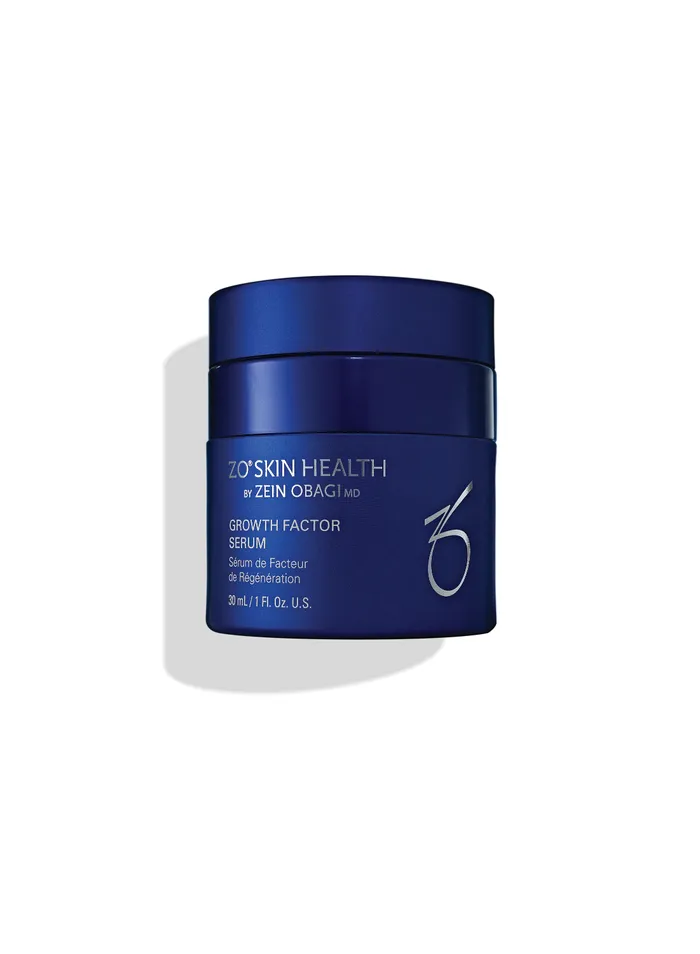
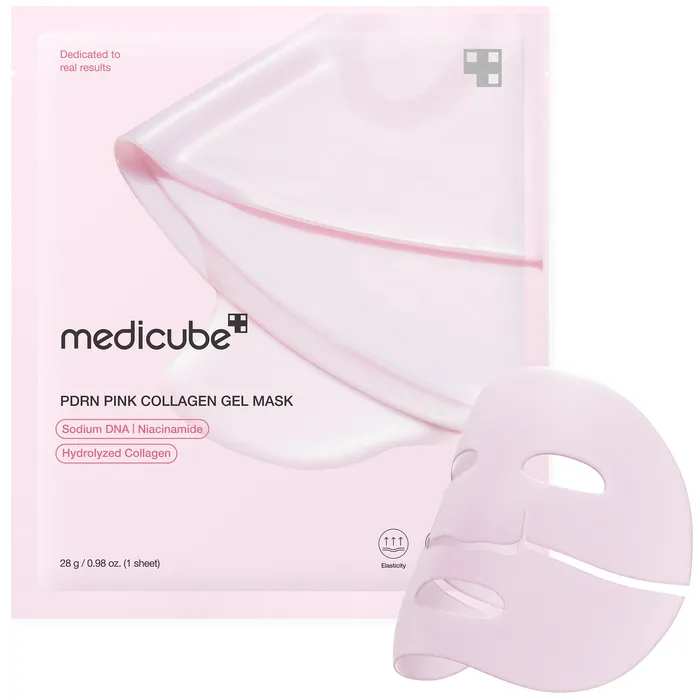
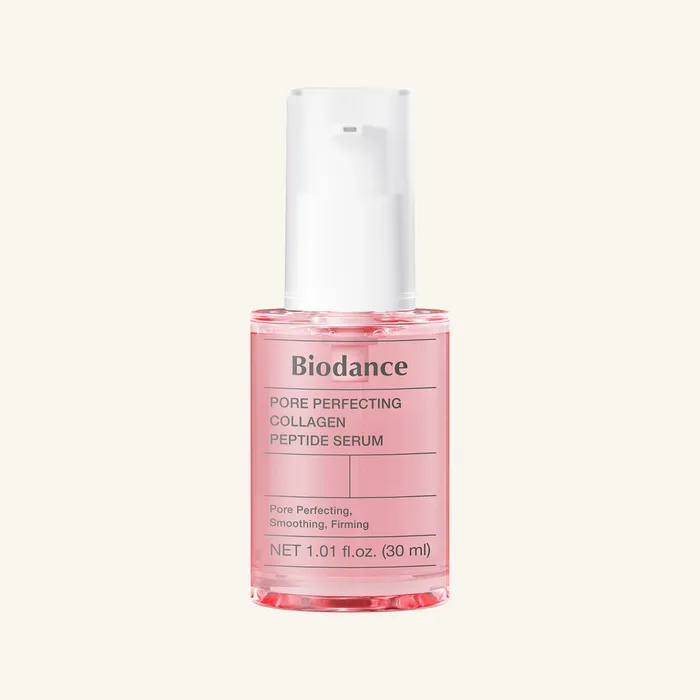
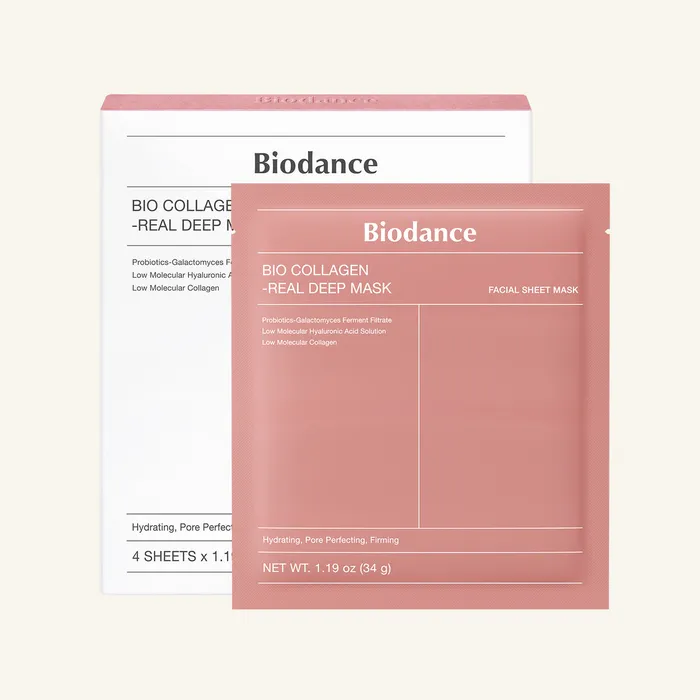
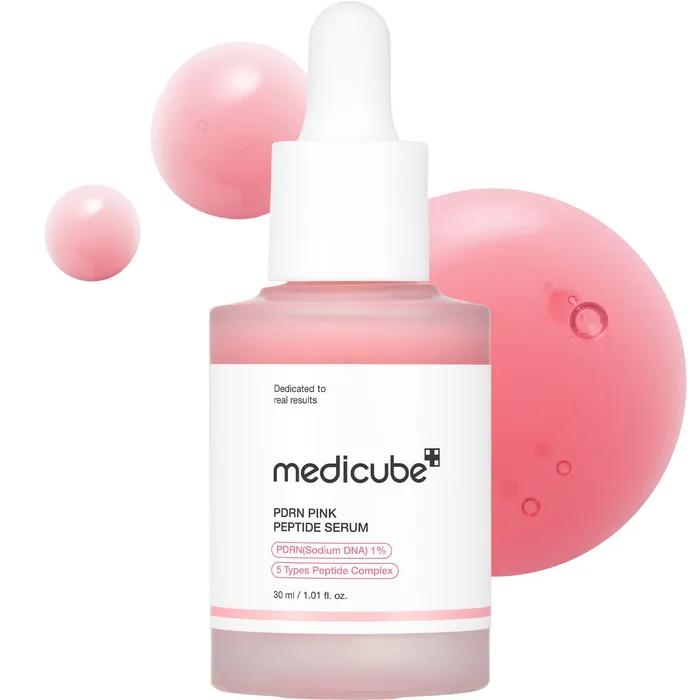
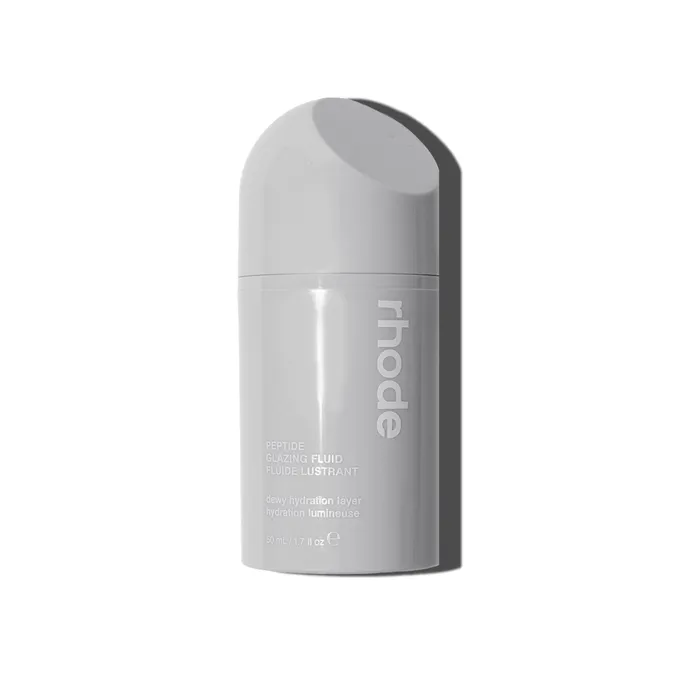
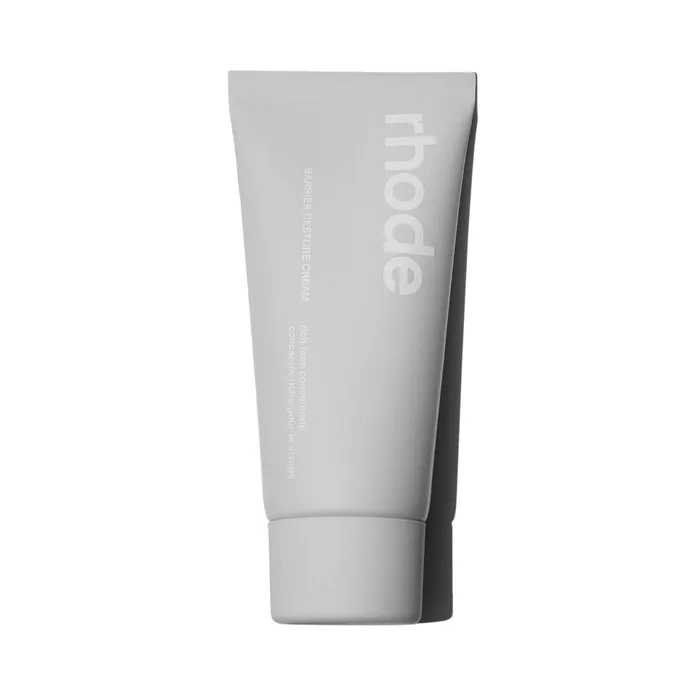
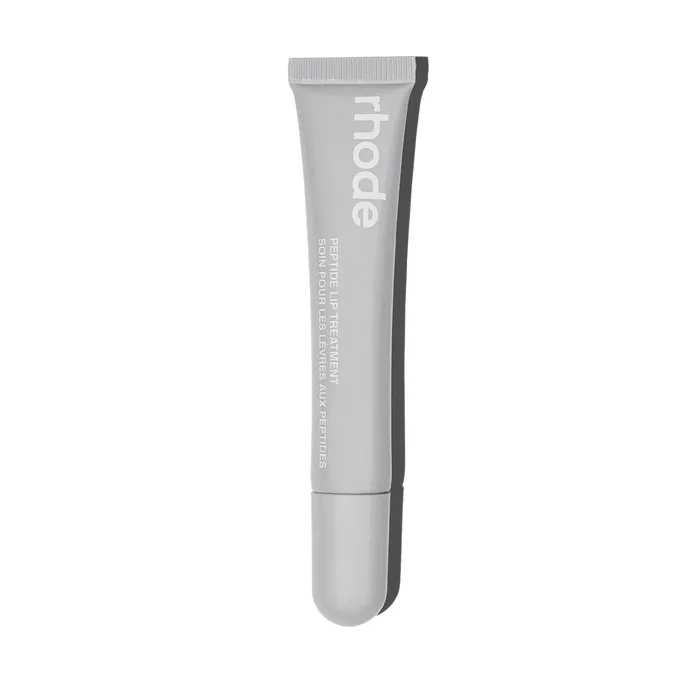
What it does
Short chains of amino acids that signal skin to produce more collagen and elastin, the two proteins that give skin its firmness and bounce.
Best for
Loss of firmness, fine lines, post-30 maintenance. The most studied lifting-cream active alongside retinol.
What are peptides?
Peptides are short chains of amino acids. Amino acids are the building blocks that also make up proteins, so the simplest way to think about peptides is that they are smaller fragments built from the same raw materials.
That is why the word shows up in so many categories. In skin care, peptides are used in creams and serums aimed at smoother, firmer-looking skin. In medicine, some peptide-based drugs are used in highly specific ways. In fitness and wellness marketing, peptides are often discussed for muscle growth, recovery, metabolism, or body composition. The problem is that people hear one success story in one category and assume all peptides do roughly the same thing. They do not.
If you want the short answer: peptides are smaller than proteins, but size alone does not tell you what a peptide can do. Function depends on the exact peptide, how it is delivered, how stable it is, and what evidence supports it.
That last point matters because "peptides" is an umbrella term, not a single ingredient or treatment category. A peptide in a moisturizer is not automatically comparable to a peptide drug, and a peptide supplement should not be assumed to perform like an injection. The name of the category tells you very little on its own.
Peptides vs proteins: what is the difference?
Structurally, peptides are shorter chains of amino acids, while proteins are longer and usually more complex. That is the textbook distinction.
In practice, function matters more than memorizing amino acid counts. Some peptides act like signals. Some help transport minerals. Some are fragments related to larger structural proteins. Some have hormone-like activity. Some are simply not very useful in the form they are being sold.
So yes, peptides are smaller than proteins. But if you are trying to judge a product, that fact alone is not helpful enough. The better question is: what specific peptide is this, and what is it supposed to do?
Why peptides get so much attention
Peptides get attention because they sound scientific, flexible, and modern. They also fit neatly into anti-aging, skin-firming, weight-loss, and performance marketing.
For brands, peptides are commercially attractive because the category sounds advanced without always forcing a clear explanation. A cream can highlight peptides for firmness. A wellness seller can mention peptides for metabolism. A fitness account can talk about peptides for recovery. The word does a lot of work before the buyer even asks for evidence.
That is why claim-checking matters here. Peptides can be useful. But they are also one of the easiest categories to overgeneralize.
How do peptides work in the body and on the skin?
Peptides can work in different ways depending on the peptide itself. Some act as signaling molecules, meaning they help send messages that influence biological processes. Others function more like structural fragments or transport helpers. Some peptide-based compounds are used in medicine because they interact with receptors in very specific ways.
On the skin, certain peptides are included in formulas because they may support a smoother, firmer-looking appearance over time. In the body more broadly, some peptides are involved in signaling pathways related to appetite, hormones, or other functions.
The key point is that route of use matters. A peptide in a cream, supplement, or injection should not be assumed to behave the same way. Even if the peptide name sounds impressive, finished-product performance still depends on formulation, stability, absorption, and dose.
This is where good science and ingredient marketing often split. Ingredient logic may sound reasonable, but real-world outcomes depend on whether the peptide reaches the right place in a useful form.
Signaling, carrier, and neurotransmitter-related peptides
In skin care, peptide categories are often described in simplified buckets:
| Peptide category | What it is generally meant to do | Practical reality |
|---|---|---|
| Signaling peptides | Help support skin processes linked to smoother or firmer-looking skin | Reasonable category, but outcomes depend on formula quality and consistency |
| Carrier peptides | Help deliver trace elements used in skin-related processes | More about formulation logic than instant visible results |
| Neurotransmitter-related peptides | Marketed for expression-line softening effects | Usually discussed in cosmetic terms, not as an alternative to injectables |
These categories are useful, but they should not be treated as guaranteed outcomes. A peptide cream with one trendy peptide mention is not automatically stronger than a well-formulated retinoid or barrier cream.
Why delivery changes the outcome
Delivery is one of the biggest reasons peptide claims become messy.
Topical skin care is limited by what can remain stable in the formula and what can actually interact with the skin in a meaningful way. Oral supplements face digestion and bioavailability questions. Injectable peptides bypass some of those issues, but they introduce much higher stakes around dosing, sourcing, contamination risk, and medical supervision.
| Delivery method | Main use case | Strength of expectation |
|---|---|---|
| Topical | Cosmetic skin support | Modest, gradual, appearance-focused |
| Oral | General wellness or targeted supplement use | Highly variable depending on product and evidence |
| Injectable | Prescription or medically supervised uses | Potentially more direct, but much higher need for oversight |
If a product talks about peptides but is vague about delivery, that is a red flag. The route often determines whether the claim is plausible, weak, or completely overstated.
Peptides in skin care: what they can and cannot do
For most buyers, the most useful peptide question is not abstract biology. It is: what can peptides in skin care realistically do for my face or neck?
Topical peptide products are usually aimed at firmer-looking, smoother, better-hydrated skin. That is the right expectation. They are not dramatic lifting products, and they do not correct significant sagging.
Where peptides fit best in a routine depends on your priorities. If you want a gentler firming-support category, peptides make sense. If you need stronger evidence for fine lines and texture, retinoids usually have the better track record. If your skin is mainly dry and crepey, a peptide cream may help most when paired with humectants, ceramides, and barrier-support ingredients.
A useful peptide cream is often less about instant transformation and more about steady cosmetic support.
What peptides in skin care are best for
Peptides tend to make the most sense for these use cases:
| Skin concern | Where peptides fit well | Expectation to keep |
|---|---|---|
| Fine lines | Supportive ingredient in a consistent routine | Subtle smoothing, not line erasure |
| Crepey texture | Often useful with humectants and richer moisturizers | Better hydration and surface softness |
| Early firmness concerns | Good for gradual cosmetic support | Firmer-looking skin over time, not lift |
| Sensitive or mature skin | Often easier to tolerate than strong retinoids | Gentle support, slower payoff |
This is why peptide creams are often a good match for readers who want a firming cream without the irritation risk that can come with stronger retinoids or acids.
Peptides vs retinol and other firming ingredients
Peptides and retinol are often compared as if one clearly replaces the other. That is usually the wrong framing.
Retinoids are generally better supported for improving the appearance of fine lines, texture, and firmness. The trade-off is tolerability. They can be drying or irritating, especially for sensitive skin, compromised barriers, or the neck area.
Peptides are usually gentler and easier to slot into a routine. The trade-off is that results are often subtler and more dependent on the overall formula.
| Ingredient type | Main strength | Main trade-off | Best fit |
|---|---|---|---|
| Peptides | Gentle firmness-support positioning | Usually subtler results | Sensitive, mature, or cautious users |
| Retinol and retinoids | Stronger evidence for texture and fine lines | Higher irritation risk | Users who tolerate active skincare well |
| Hyaluronic acid | Immediate hydration and plumping look | Not a structural firming ingredient | Dry, dehydrated, crepey-looking skin |
| Niacinamide | Barrier, tone, and texture support | Usually not dramatic on its own | Broad-use support ingredient |
| Ceramides | Barrier repair and comfort | More supportive than active-driven | Dry, reactive, mature skin |
In practical buying terms, peptides are often the better fit if you want a lower-drama formula you can actually use consistently. Retinol is the stronger fit if you want more evidence-backed texture work and your skin can handle it.
How to read a peptide skincare label
A peptide mention alone does not make a cream impressive.
On labels, peptides often appear with names ending in terms like palmitoyl or acetyl, and many appear as longer technical ingredient names. Common examples include palmitoyl tripeptide-1, palmitoyl tetrapeptide-7, copper tripeptide-1, and acetyl hexapeptide variants.
But the bigger issue is formula context. Ask:
| What to check | Why it matters |
|---|---|
| Specific peptide name | "Peptides" alone is too vague |
| Placement in ingredient list | Can hint at how much is present, though not precisely |
| Supporting ingredients | Humectants, ceramides, niacinamide, and antioxidants can improve the formula overall |
| Packaging | Airless or protective packaging may help stability |
| Brand transparency | Clear claims are usually a better sign than inflated promises |
A peptide cream can be good because the entire formula is well built, not just because one peptide is present.
Peptides for weight loss and metabolic health
"Peptides for weight loss" is one of the most searched versions of this topic, and it is also one of the easiest areas for confusion.
Not all peptides are weight-loss drugs. Not all compounds discussed in metabolism conversations are interchangeable. And not every product marketed with peptide language has the same level of evidence or regulatory status.
Some of the public interest here overlaps with GLP-1-related therapies, which are part of the broader peptide conversation. But that does not mean every peptide sold online for appetite, fat loss, or metabolism deserves the same credibility.
The safest general rule is simple: separate evidence-backed prescription use from vague wellness marketing.
Are weight loss peptides the same as GLP-1 drugs?
Not exactly, though there can be overlap.
Some GLP-1-related therapies are peptide-based, which is why they often get grouped into peptide discussions. But consumers also use the term "weight loss peptides" much more loosely to describe many products with very different evidence levels, approval status, and medical oversight.
So the answer is: some weight-loss treatments are peptide-based, but "peptides for weight loss" is not a precise category. That is why the exact product matters far more than the umbrella term.
What to watch for in marketing claims
This is an area where red flags matter.
| Red flag | Why it matters |
|---|---|
| Dramatic fat-loss promises | Overstates what any product can guarantee |
| Vague ingredient naming | Makes it hard to verify what is actually being sold |
| No clear prescription or medical pathway | Concerning for products affecting appetite or metabolism |
| Stacked claims like fat loss plus muscle gain plus anti-aging | Usually a sign of hype outrunning evidence |
| Poor source transparency | Raises purity and legitimacy concerns |
If the seller cannot clearly explain what the product is, how it is regulated, or who should supervise its use, that is not a small issue. That is the buying decision.
Peptides for muscle growth, recovery, and performance
Interest in peptides for muscle growth is usually tied to recovery, performance, or body-composition goals. But interest does not equal proof.
Some peptide-related compounds are discussed in medical or research contexts. Others are marketed online in bodybuilding or performance circles with claims that move much faster than the evidence.
This is one of those categories where context matters a lot. There is a big difference between a medically used peptide drug, an under-researched compound sold online, and fitness marketing that treats them as interchangeable.
Do peptides help build muscle?
Sometimes that is the claim, but the honest answer is that outcomes depend on the specific peptide, the context, and the quality of evidence.
There is no blanket yes for peptides as a category. Some compounds are discussed for hormone-related pathways or recovery support. Others are sold with very little reliable consumer-level evidence. Many conversations around muscle-growth peptides involve off-label use or products not established as mainstream wellness tools.
So if someone asks whether peptides help build muscle, the better answer is: some peptide-related products are marketed that way, but you should not assume proven benefit from the category name alone.
The problem with research peptides
"Research peptides" is often where the category gets especially shaky.
Products sold this way may come with major concerns around purity, legal status, dosing accuracy, storage, contamination, and basic product legitimacy. They are often discussed online as if they are polished consumer products. Many are not.
The issue is not just that evidence may be thin. It is that the product itself may be unreliable before you even get to the evidence.
Peptide injections, supplements, and other forms
Form changes everything with peptides.
Peptide injections, oral supplements, topical skin care, and food-derived peptides are not interchangeable. They differ in convenience, evidence, absorption, supervision needs, and risk.
Injectable peptides attract attention because they seem more direct. In some cases, delivery by injection does have a more plausible mechanism than a casual wellness gummy or cream. But injections also carry the highest need for medical supervision, proper storage, sterile handling, and source verification.
The more invasive the delivery, the more the buyer should care about quality control.
Topical vs oral vs injectable peptides
| Form | Typical use | Upside | Limitation |
|---|---|---|---|
| Topical | Skin care | Easy to use, generally lower risk | Cosmetic ceiling is modest |
| Oral supplement | Wellness support | Convenient | Evidence and absorption vary widely |
| Injectable | Medical or supervised use | More direct delivery pathway | Higher risk, higher need for oversight |
Topical peptides make the most sense when your goal is appearance-related skin support. Oral peptides are harder to generalize because products vary so much. Injectable peptides should not be approached casually, especially when sold outside clear medical channels.
Can you get peptides from food?
Yes, in the sense that foods containing protein can provide peptides and amino acids, and some foods or protein sources may contain bioactive peptide fragments.
But eating protein is not the same thing as using a targeted peptide drug or applying a peptide skin care ingredient. Food supports normal nutrition. It does not function like a branded peptide injection, and it should not be marketed as if it does.
Are peptides safe? Risks, limitations, and how to judge claims
Peptides are not one thing, so safety and efficacy cannot be generalized across the whole category.
Some peptide uses are relatively low risk, such as a well-formulated topical skin care product. Some require much more caution, such as prescription medications or injections. Some sit in an uncomfortable middle ground, especially when sold through weakly regulated channels with big promises and thin documentation.
Common limitations include weak product-specific data, unstable formulations, poor absorption, side effects, contamination risk, and heavy reliance on before-and-after anecdotes that do not prove much on their own.
A practical buyer framework is more useful than blanket enthusiasm.
Questions to ask before buying a peptide product
| Question | Why it matters |
|---|---|
| What exact peptide is used? | The category name alone is too vague |
| What evidence supports this specific product or ingredient? | Ingredient buzz is not the same as finished-product proof |
| How is it delivered? | Topical, oral, and injectable use create very different expectations |
| Who is it for? | A good product should have a clear use case |
| What risks apply? | Irritation, side effects, purity, and contamination all matter |
| Is the seller transparent? | Clear labeling and sourcing are basic trust signals |
A peptide product is more worth considering when the formula, delivery method, evidence level, and brand transparency all line up. It becomes expensive noise when the marketing is broad and the details are blurry.
When to speak with a healthcare professional
If you are considering prescription medications, peptide injections, or any product that affects metabolism, appetite, hormones, or recovery in a medically meaningful way, speak with a qualified healthcare professional first.
That also applies if you are pregnant, nursing, managing a diagnosed condition, taking prescription medication, or trying stronger actives that may need supervision.
For skin care, the threshold is usually lower, but it still makes sense to check with a dermatologist if your skin is highly reactive, your barrier is compromised, or you are combining multiple active products.
The short version is this: peptides can be useful, but the category is broader and noisier than the marketing suggests. In skin care, they are best viewed as supportive ingredients for firmer-looking, smoother, better-hydrated skin over time. In weight loss, muscle growth, and injections, the exact product and the level of medical oversight matter far more than the word peptide on its own.
Evidence
Topical peptide formulations show measurable improvements in wrinkle depth and skin elasticity in controlled trials.
Read the source: PubMed: oral and topical peptides for skin aging (systematic review and meta-analysis) ->Reviewed August 2, 2026: As of August 2026, topical peptides remain a gentle, supportive firming-adjacent category. The honest read is unchanged: helpful as part of a consistent routine, but subtler and more formula-dependent than retinoids.