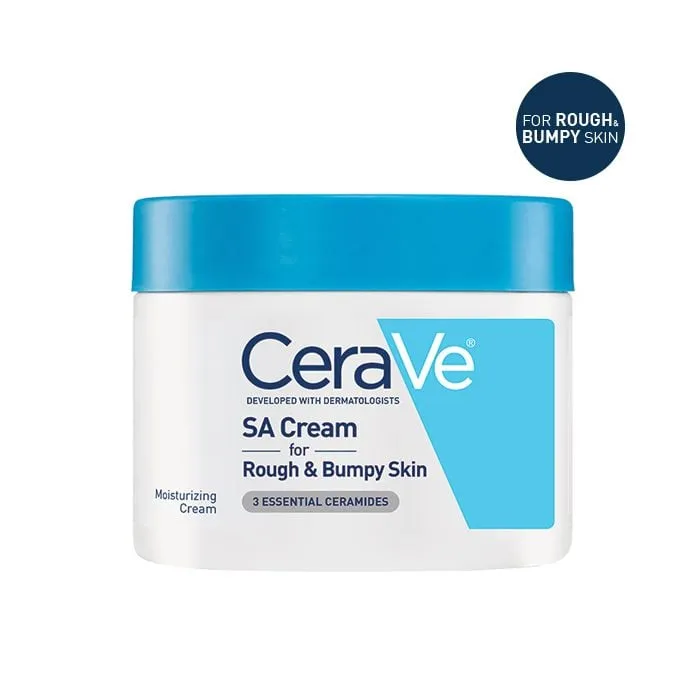
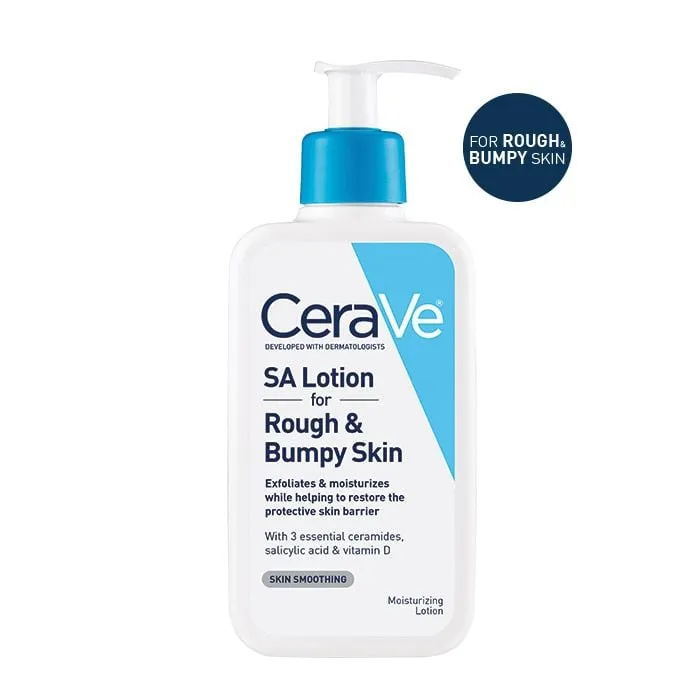
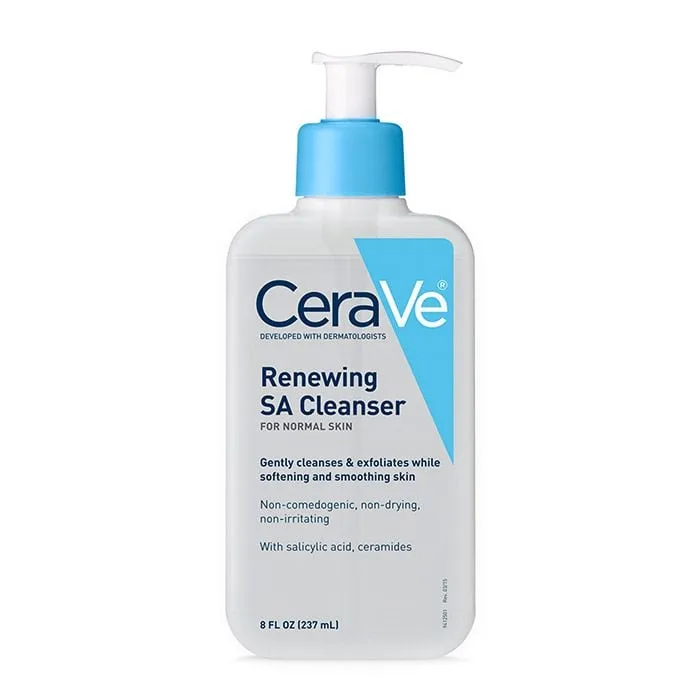
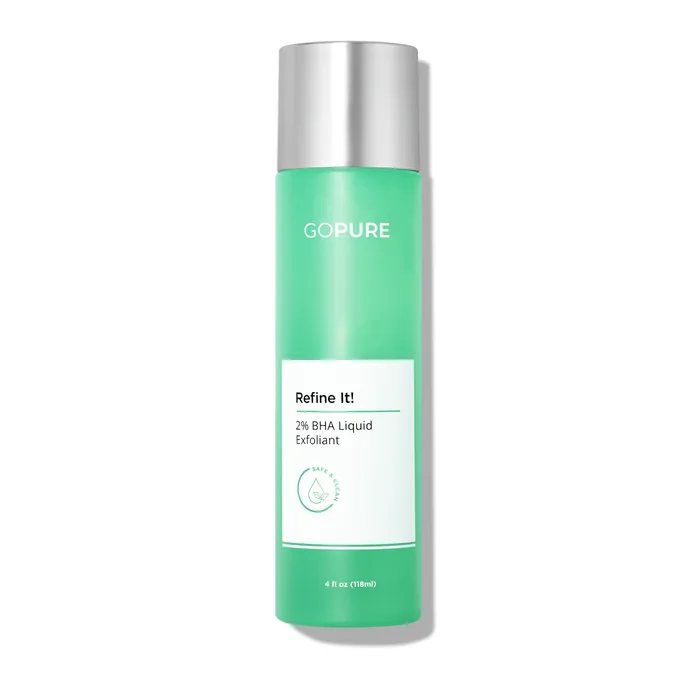
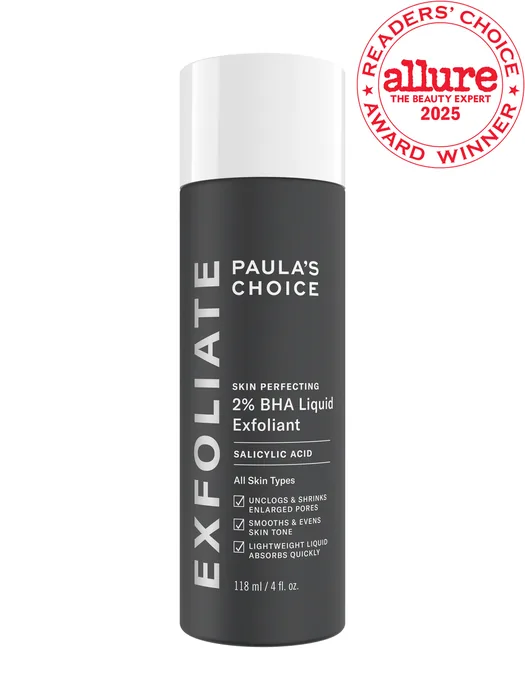
What it does
An oil-soluble beta hydroxy acid (BHA) that exfoliates on the surface and inside the pore, dissolving the mix of oil and dead skin that leads to blackheads, whiteheads, and breakouts.
Best for
Oily and acne-prone skin, blackheads and whiteheads, congestion, and rough or bumpy texture. Less suited to very dry or reactive skin at higher strengths.
What is salicylic acid?
Salicylic acid is a beta hydroxy acid, usually shortened to BHA. It is a mild exfoliating acid best known for treating oily, congested, and acne-prone skin.
The detail that makes it different from the alpha hydroxy acids, like glycolic or lactic acid, is that salicylic acid is oil-soluble. That means it can mix with the oil (sebum) inside your pores rather than only working on the surface. Because acne starts inside the pore, an ingredient that can get into that oily environment has a real advantage for blackheads, whiteheads, and clogged texture.
Salicylic acid shows up in cleansers, toners, serums, spot treatments, and exfoliating pads, usually somewhere between about 0.5% and 2% in over-the-counter products. Higher strengths exist, but those are used in professional peels, not daily home care.
The short version: if your main problem is oiliness, blackheads, or bumpy congested skin, salicylic acid is one of the more logical first actives to try. If your main problem is dryness or dehydration, it is usually not the ingredient you need first.
Salicylic acid vs AHAs (glycolic and lactic acid)
Both BHAs and AHAs exfoliate, but they suit different skin.
| Acid type | Solubility | Best suited to | Main job |
|---|---|---|---|
| Salicylic acid (BHA) | Oil-soluble | Oily, acne-prone, congested skin | Clears oil and dead skin inside the pore |
| Glycolic and lactic acid (AHA) | Water-soluble | Dry, dull, uneven-tone skin | Surface exfoliation and smoothing |
If your concern is blackheads and oiliness, BHA usually makes more sense. If your concern is dullness and rough surface texture on drier skin, an AHA is often the better fit. Some people use both, but usually not at the same time on the same night.
What salicylic acid does for skin
Salicylic acid does a few practical things at once, which is why it is such a staple acne active:
- it exfoliates dead skin cells on the surface and inside the pore
- it helps loosen and clear the plug of oil and debris that forms blackheads and whiteheads
- it has mild anti-inflammatory properties, which can make some blemishes look calmer
- it can smooth rough, bumpy texture over time
- it can reduce the greasy, congested look of oily skin
What it does not do is hydrate the skin, fade deep pigmentation on its own, or fix every type of acne. It is most useful for comedonal acne (blackheads and whiteheads) and general congestion. For inflammatory or cystic acne it can be a supporting player, but it is usually not enough by itself, and a dermatologist visit makes more sense.
Clinical sources describe topical salicylic acid as a common treatment for acne and everyday scaling or roughness, used across a range of leave-on and wash-off formats.
Who salicylic acid suits best
Salicylic acid tends to suit oily skin, acne-prone skin, blackhead-prone or congested skin, combination skin with an oily T-zone, and anyone who gets bumpy texture or clogged pores.
It is a weaker first choice if your skin is very dry, very sensitive, or already tight and flaky. In that case a gentler routine, more hydration, and barrier support usually matter more than adding an exfoliating acid.
How to use salicylic acid without overdoing it
The most common salicylic acid mistake is overuse. More exfoliation is not automatically better, and a stripped, irritated barrier can actually make skin look worse.
A sensible way to start:
- begin with one lower-strength product, not several acids at once
- use it a few times a week, then build up only if your skin tolerates it
- follow with a moisturizer so the skin does not feel tight
- use sunscreen in the morning, since exfoliated skin is more sun-sensitive
You also do not need to layer salicylic acid with every other active. Stacking it with strong retinoids, multiple acids, or aggressive scrubs on the same night is a common way to end up red, flaky, and reactive. If you use a retinoid, many people alternate nights rather than combining.
Salicylic acid and pregnancy
Topical salicylic acid at low over-the-counter strengths is generally considered lower risk, but guidance varies and oral salicylates are treated differently. If you are pregnant or nursing, confirm with your doctor or dermatologist before using acid exfoliants rather than relying on a product label alone.
Realistic expectations and common mistakes
Salicylic acid is genuinely useful, but it is a maintenance ingredient, not a miracle.
It can reduce blackheads, calm the look of congestion, and keep oily skin clearer with consistent use. It will not permanently cure acne, erase acne scars, or replace prescription treatment for severe or cystic breakouts.
Common mistakes include using it too often and damaging the barrier, assuming stinging means it is working, skipping moisturizer and sunscreen, combining it with too many other actives at once, and expecting it to fix dryness, deep pigmentation, or scarring.
If your skin is oily and congested, salicylic acid is one of the most reliable actives to reach for. If your bigger issue is dehydration, tone, or fine lines, other ingredients usually deserve priority first.
Evidence
Salicylic acid is a long-established over-the-counter acne active. The FDA recognizes beta hydroxy acids like salicylic acid for exfoliation and acne, and it is widely used for comedonal (blackhead and whitehead) acne.
Read the source: FDA: Beta Hydroxy Acids ->Reviewed August 2, 2026: Reviewed August 2026. Salicylic acid remains the go-to oil-soluble BHA for congestion and clogged pores, with the same guidance to start slowly and pair with sunscreen.