What is the best face oil?
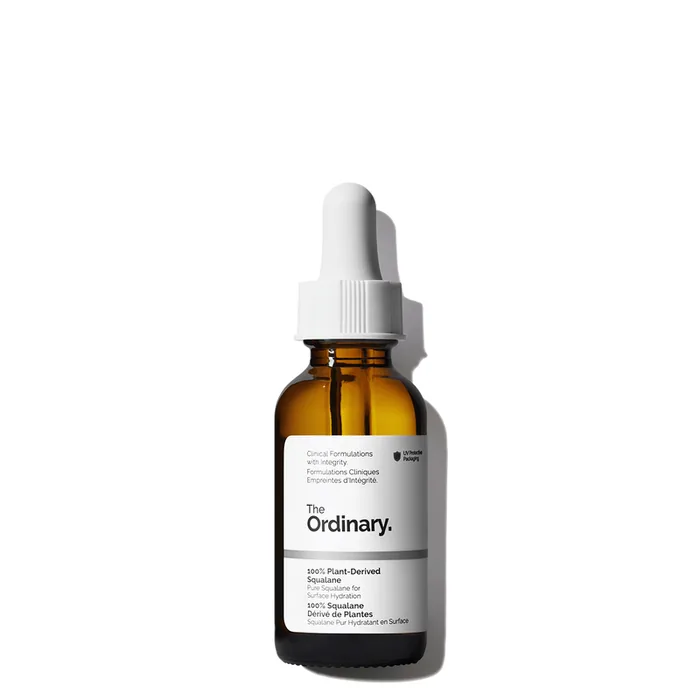
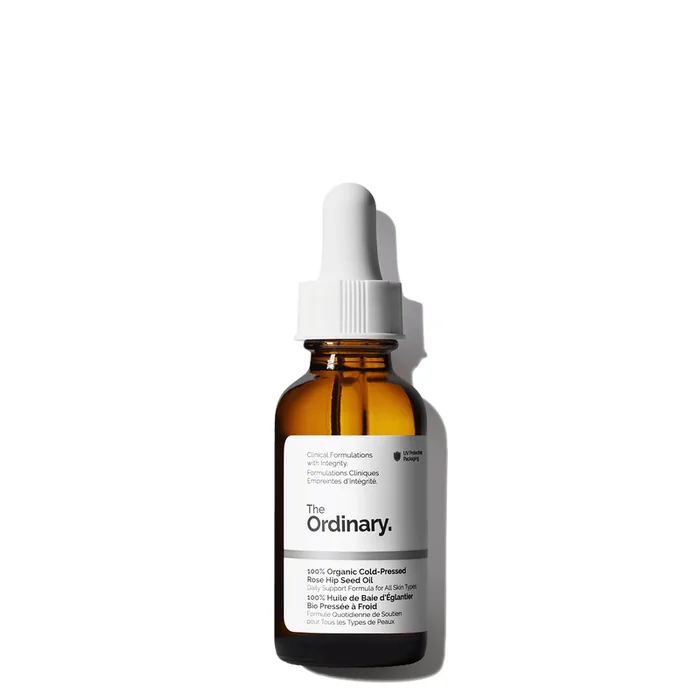
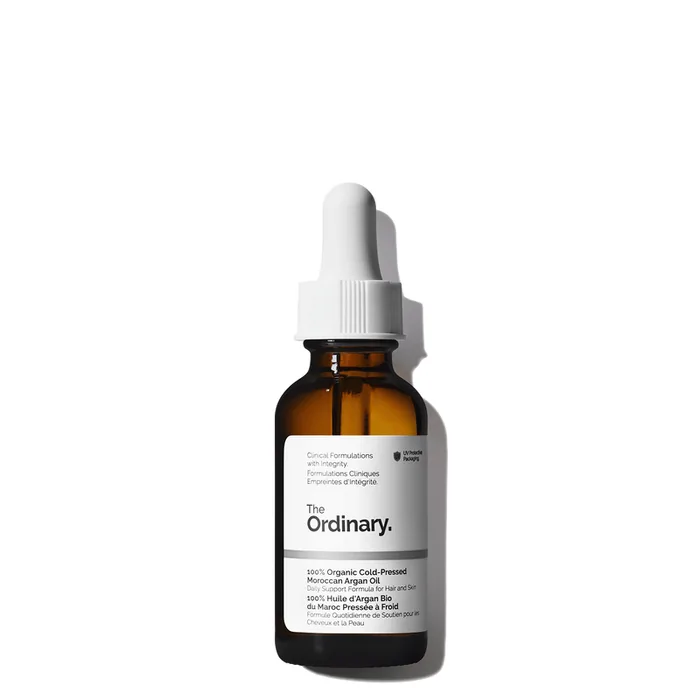
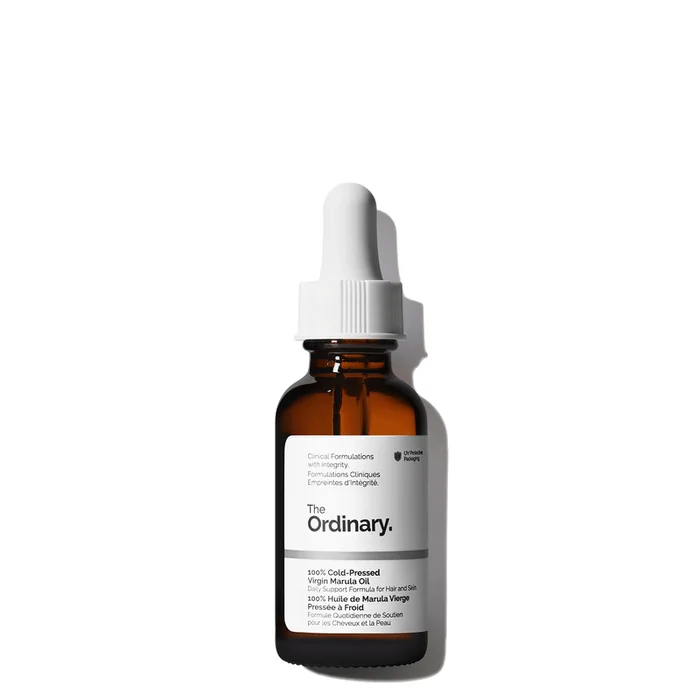
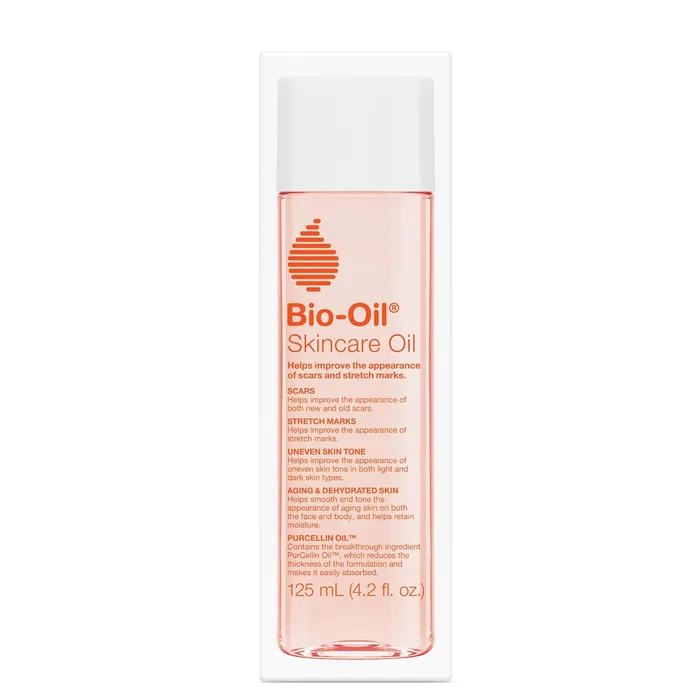
The best face oil depends on your skin and the job you need done. Squalane is the universal pick, weightless and safe even on oily and acne-prone skin. Rosehip leads for uneven tone and the look of scars. Argan suits dry and mature skin, with a clinical elasticity study behind it. Marula is the lightweight antioxidant option, and Bio-Oil owns the body-and-scars lane.
All five picks below sit between $7.80 and $21.49, which is deliberate. Single-ingredient cold-pressed oils are one of the few categories where the cheap version is chemically identical to the expensive one; a $9 bottle of cold-pressed rosehip and a $90 bottle of cold-pressed rosehip contain the same molecule doing the same work.
Clinical research backs the specifics: argan oil improved skin elasticity in postmenopausal women, and rosehip supports skin repair and the appearance of scars.
Dry skin or dehydrated skin? The answer changes everything
This is the distinction that decides whether a face oil helps you or disappoints you.
Dry skin lacks oil. It is a skin type: fewer functioning oil glands, so skin feels rough, tight, and flaky year-round, and it flakes rather than looking dull. Dry skin is exactly what face oils are for, because you are replacing a lipid the skin does not make enough of.
Dehydrated skin lacks water. It is a temporary condition any skin type can have, including oily skin. It looks dull and feels tight, fine lines look exaggerated, but skin can still be greasy by midday. Dehydrated skin needs humectants, hyaluronic acid and glycerin, not oil. Adding oil to dehydrated skin seals in a shortage.
The quick test: if your skin flakes, it is dry and oil helps. If it feels tight but still gets shiny, it is dehydrated and a hyaluronic acid serum is the fix, with oil as an optional seal on top.
What face oils actually do
Face oils are emollients and occlusives: they soften the skin surface and slow water loss. They are not hydrators, because oil carries no water. That single fact drives every rule that follows.
It means an oil must go over hydrated skin, never instead of it. It means an oil cannot replace your moisturizer unless that moisturizer's only job was sealing. And it means an oil is a finishing step, not a treatment: it will not resurface texture, fade pigment, or firm skin the way a retinoid or vitamin C does.
What a good oil does deliver is real: comfort, a satin finish, less overnight moisture loss, and in the case of rosehip and argan, supporting fatty acids and antioxidants that improve how skin looks over weeks.
Oil last, always: how to layer
Oil goes at the end of your routine, after moisturizer. Anything applied on top of an oil has to fight through a seal designed to keep things out, which is why serums layered over oil largely go to waste. Our full skincare routine order guide covers the wider sequence.
The technique that gets the most from a few drops: press two to four drops between warm palms, then press onto skin that is still slightly damp from your moisturizer. Pressing rather than rubbing avoids pilling. If you prefer a lighter finish, mix a single drop directly into your moisturizer instead of layering. A few drops also give a gua sha stone the slip it needs.
For a richer overnight seal on very dry skin, an oil can substitute for the petrolatum step in slugging, though petrolatum still seals harder.
Matching the oil to your skin
The fatty acid profile decides who an oil suits. Oleic-rich oils are heavier and can disrupt the barrier and congest acne-prone skin, which is the same mechanism behind the beef tallow problem. Linoleic-rich oils are lighter and better tolerated by oily skin. Squalane sidesteps the whole question because it mirrors a lipid skin already makes.
| Skin type or goal | Best pick | Why |
|---|---|---|
| Oily or acne-prone | Squalane | Non-comedogenic, weightless, mimics skin's own lipid |
| Dry or mature | Argan | Fatty acids and vitamin E, with elasticity evidence |
| Uneven tone, marks, scars | Rose Hip Seed | Provitamin A and essential fatty acids |
| Sensitive or reactive | Squalane | Single ingredient, fragrance-free, minimal reaction risk |
| Antioxidant support, light finish | Marula | Absorbs fast, high antioxidant content |
| Body skin and scars | Bio-Oil | Formulated for scars, stretch marks, and uneven body skin |
Does climate change which oil to use?
Yes, more than most guides admit. In dry or cold air, skin loses water faster and richer oils like argan earn their weight, especially at night. In humid heat, the same oil sits on the surface and feels greasy, so squalane or marula suits better, used sparingly and mainly in the evening.
The practical version: keep two oils if you live somewhere with real seasons, a lighter one for summer and a richer one for winter, and adjust the number of drops rather than buying a new routine.
One honest note on price and brand
Four of our five picks are The Ordinary, and that is not sponsorship; the brand simply owns the single-ingredient cold-pressed oil category at $8 to $11 while most competitors sell blends at four to twenty times the price. Where a luxury oil earns its cost is formulation complexity, scent, and experience, all legitimate reasons to buy one, none of which change the fatty-acid chemistry doing the actual work.
If you want a botanical blend and enjoy the ritual, buy it happily. If you want the mechanism at the lowest honest price, the list below is it.