Bio-Oil vs Mederma: the quick answer
Bio-Oil and Mederma are two of the most recognized drugstore options for the appearance of scars and stretch marks. Both are honest about what they do: they aim to improve how a scar or stretch mark looks over time, not remove it.
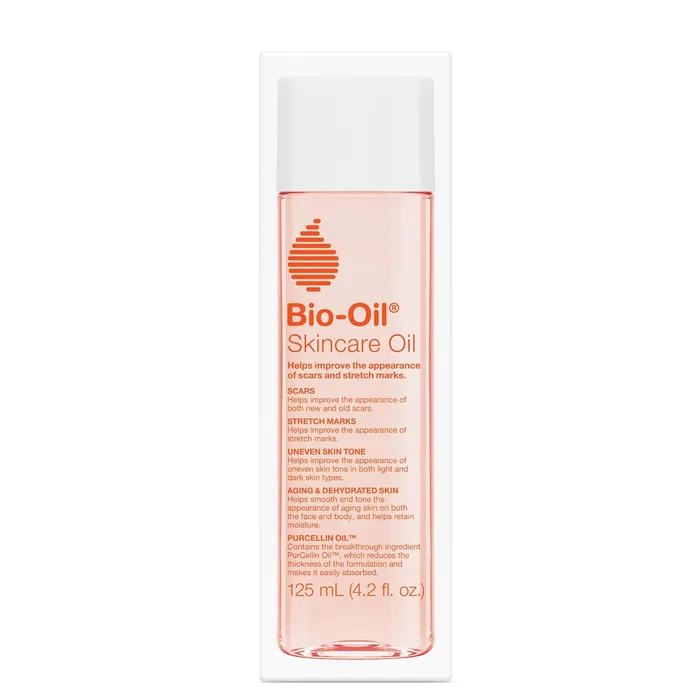
Bio-Oil is a multi-use skincare oil. It hydrates and helps improve the look of scars, stretch marks, and uneven tone across large areas.
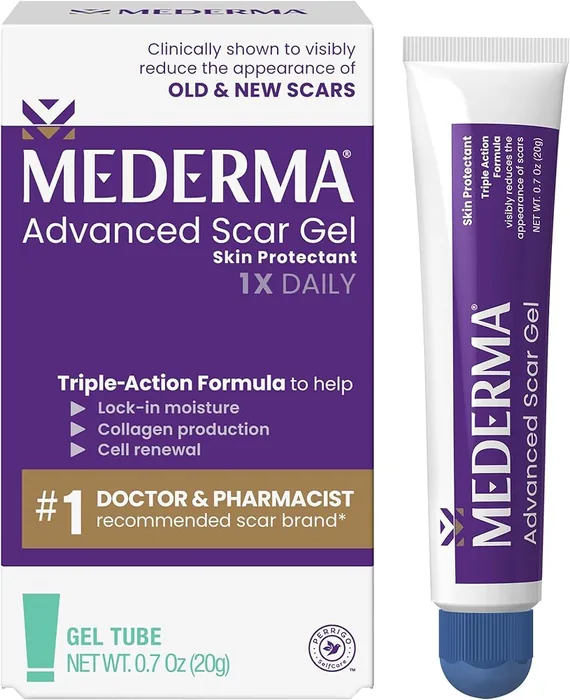
Mederma is more targeted. Its gel and creams are centered on onion bulb extract (marketed as Cepalin) and aimed specifically at the appearance of scars.
For broad, multi-purpose use including stretch marks, Bio-Oil is the more flexible pick. For a focused, scar-specific product, Mederma is the more targeted one.
The shortest version
Choose Bio-Oil for multi-use hydration and the look of scars and stretch marks.
Choose Mederma for a focused, scar-specific treatment.
What is the difference between Bio-Oil and Mederma?
Bio-Oil Skincare Oil is built around the brand's PurCellin Oil, which thins the formula so its vitamins and plant oils absorb easily. It includes vitamin E, vitamin A, chamomile, and lavender oils. It is designed to be massaged into scars, stretch marks, and dry or uneven skin, and its oil format suits large areas like the belly or thighs.
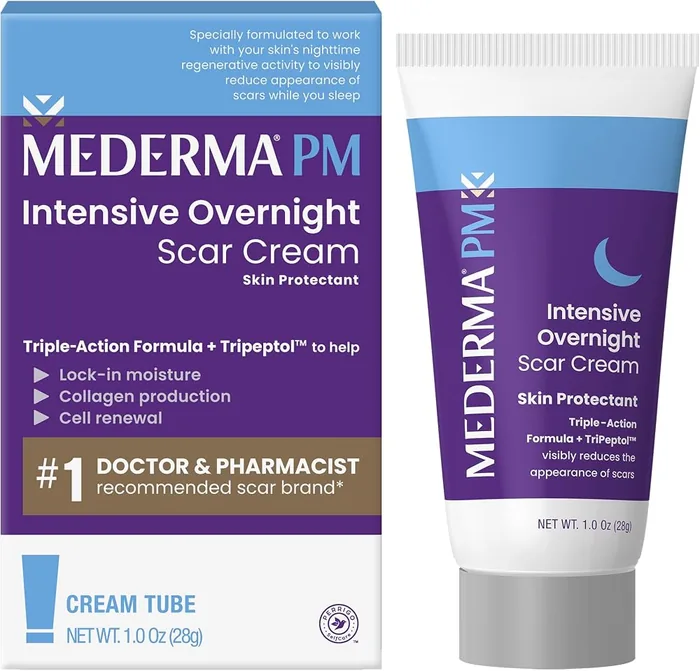
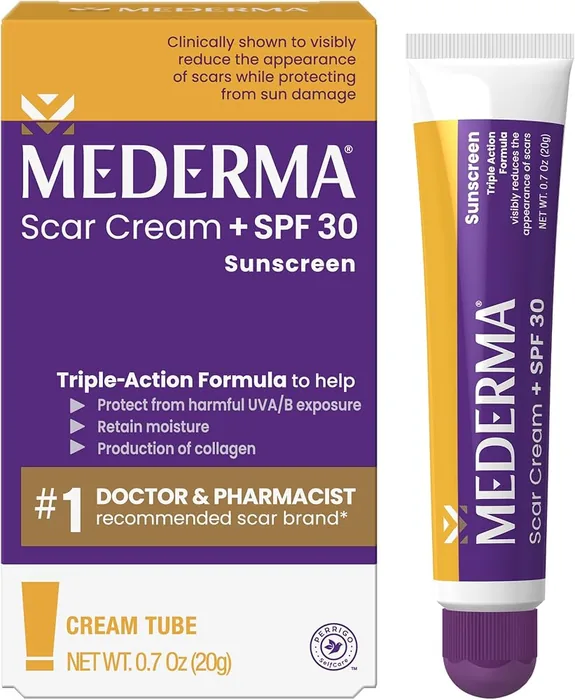
Mederma Advanced Scar Gel leads with onion bulb extract plus allantoin in a water-based gel meant to be applied to a specific scar once a day. The line also includes a PM overnight cream and a daytime cream with SPF 30 for scars exposed to the sun.
| Product | Core ingredient | Format | Best for |
|---|---|---|---|
| Bio-Oil Skincare Oil | PurCellin Oil, vitamins A and E | Multi-use oil | Scars, stretch marks, large areas |
| Mederma Advanced Scar Gel | Onion bulb extract, allantoin | Targeted gel | Specific scars |
Ingredients and approach
Bio-Oil's approach is hydration and massage. Keeping a scar or stretch mark moisturized and supple is a reasonable, evidence-supported way to help its appearance, and the oil format makes that easy over large areas.
Mederma's approach is more targeted, focusing an onion-extract gel on an individual scar. Both brands cite their own consumer-panel results, so treat those figures as brand claims and set expectations around gradual, appearance-level change.
For scars, stretch marks, and sun exposure
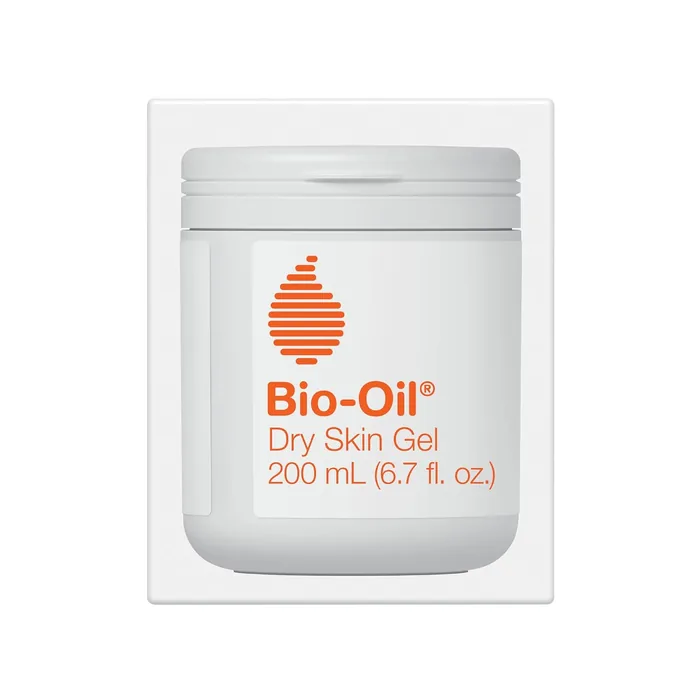
For stretch marks and large areas, Bio-Oil is the easier tool because you can massage it over the belly, hips, or thighs. Its Dry Skin Gel extends the same idea to general dry skin.
For a specific scar, Mederma's targeted gel is the more focused option, and its SPF 30 daytime cream is a smart pick for scars that get sun, since protecting a scar from UV is one of the more reliable ways to keep it from darkening.
| Use case | Better fit | Why |
|---|---|---|
| Stretch marks over large areas | Bio-Oil | Oil format spreads easily |
| A single defined scar | Mederma Advanced Scar Gel | Targeted onion-extract gel |
| Scars exposed to sun | Mederma Scar Cream Plus SPF 30 | Adds daily sun protection |
| Overnight scar care | Mederma PM | Overnight cream format |
| General dry, uneven skin | Bio-Oil | Multi-use hydration |
Which should you choose?
If you want one flexible product for stretch marks, dryness, and the look of scars across larger areas, Bio-Oil is the more versatile buy. If you want a focused product for a specific scar, Mederma is the more targeted choice, with SPF and overnight options.
Consistency matters more than the brand here: both work only with daily use over weeks to months. For another scar-treatment matchup, our Mederma vs ScarAway comparison is a useful next read.
Choose Bio-Oil if...
- you want a multi-use oil for scars and stretch marks
- you are treating large areas like the belly or thighs
- you also want general skin hydration
Choose Mederma if...
- you are focused on a specific scar
- you want an SPF or overnight scar option
- you prefer a targeted gel over an oil
Limitations and honest expectations
Neither product removes or erases a scar or stretch mark. They aim to improve appearance, and results are gradual, partial, and dependent on consistent use over weeks or months. Older, flat scars and stretch marks tend to respond less than newer ones.
For raised or keloid scars, silicone-based options are often recommended, and any scar that is changing, painful, or growing deserves a professional opinion. Protecting scars from the sun is one of the most reliable steps either way.
Editor's update · August 2, 2026
This August 2026 refresh re-verified pricing and honest, appearance-level claims for both. Bio-Oil is still the flexible multi-use oil for stretch marks and large areas, and Mederma is still the more targeted, scar-specific option with SPF and overnight formats; results with either require months of consistent use.