What it does
A fat-soluble antioxidant that neutralizes free radicals from UV and pollution, supports skin barrier function, and keeps the oils in a formula from going rancid.
Best for
Daytime use (antioxidant defense), dry and mature skin, and any routine that already uses vitamin C (the two stabilize each other).
What is Vitamin E?
Vitamin E is a fat-soluble antioxidant that has been used in skin care for more than fifty years. On an ingredient list it usually appears as tocopherol, the active form, or as tocopheryl acetate, a more stable ester. Because it is oil-loving, it concentrates in the lipid layers of the skin and in the oily phase of a formula, where it helps neutralize the free radicals produced by sun, pollution, and normal daily stress.
It plays two quiet but real roles. In the bottle, it protects oils and other actives from oxidizing, which is partly why you see it in so many products. On the skin, it supports the barrier and adds antioxidant defense, especially as part of a well-built daytime routine.
What it does, and what it does not do
What it can help with:
- Adds antioxidant support against the visible effects of daily environmental stress
- Helps reinforce the moisture barrier and soften the feel of dry skin
- Stabilizes formulas and other antioxidants, notably vitamin C, so they last longer and work better together
- Conditions rough, tight-feeling skin as a lightweight emollient
What it does not do, honestly:
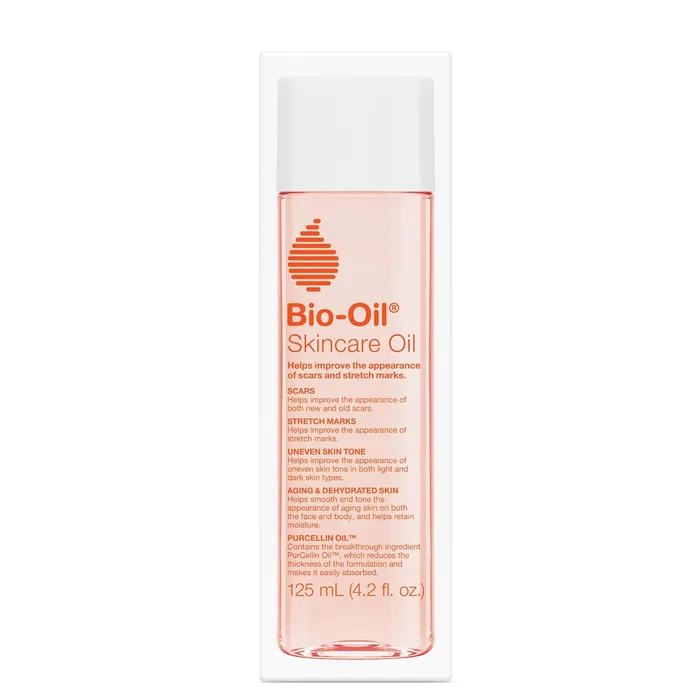
- It does not fade scars or stretch marks. The most cited study on that found no improvement and a meaningful rate of contact dermatitis.
- It is not a strong wrinkle treatment on its own. For visible lines, retinoids and consistent sun protection do the heavy lifting.
- It is not a sunscreen. It supports your SPF, it does not replace it.
Forms and concentration
The form matters more than most labels admit.
| Form | What it is | Notes |
|---|---|---|
| Tocopherol | The active, unesterified vitamin | More antioxidant activity, less stable in a jar |
| Tocopheryl acetate | The common ester | Very stable, converts to the active form slowly on skin |
| Mixed tocopherols | The wider vitamin E family | Often used in natural-leaning formulas for broader coverage |
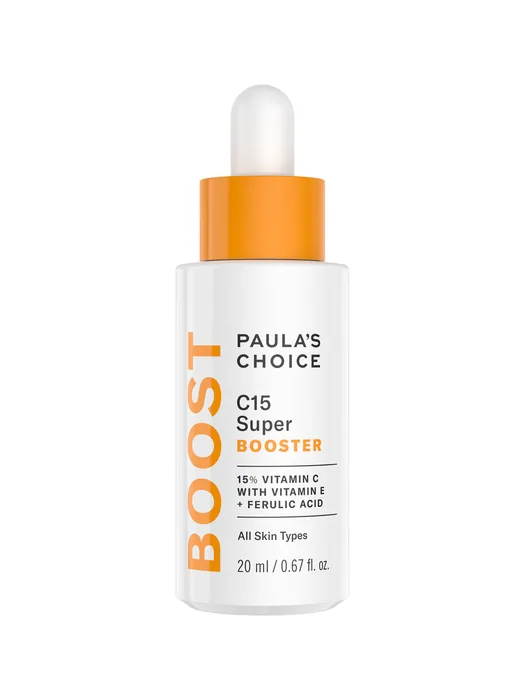
Typical use levels sit around 0.5 to 1 percent, and more is not better. At higher levels vitamin E can feel heavy and, in sensitive people, raise the small risk of irritation. The single most evidence-backed way to use it is in a vitamin C and E antioxidant serum, where the pair outperforms either one alone.
Who it suits and how to use it
Vitamin E suits most skin types and is especially comfortable on dry, normal, and mature skin. If you are very oily or breakout-prone, choose a lightweight serum rather than a rich oil, since heavier tocopheryl esters can feel occlusive. It is pregnancy and nursing friendly as a topical antioxidant, though as always the routine matters more than any single ingredient.
Use it in the morning under sunscreen for antioxidant support, or in the evening as part of a barrier-focused moisturizer. It layers well with glycerin, squalane, and vitamin C, and there is nothing it clashes with. Patch test any new vitamin E oil, because pure high-strength oils are the main source of the rare allergy reports.
The scar myth
The belief that dabbing vitamin E oil on a scar will make it disappear is the most persistent myth about this ingredient, and it does not hold up. Keeping healing skin moisturized does help the look of a scar, but that is the moisturizing doing the work, not vitamin E specifically, and pure vitamin E oil carries a higher chance of irritating that skin. Treat vitamin E as a helpful antioxidant and barrier conditioner, not a scar eraser.
Evidence
Topical vitamin E has been shown to reduce UV-induced skin damage and oxidative stress in clinical and laboratory research.
Read the source: PMC: Vitamin E in dermatology ->Reviewed August 2, 2026: As of August 2026, vitamin E remains a common antioxidant that pairs well with vitamin C and helps stabilize formulas, with its main role as a supporting antioxidant.