CeraVe vs Cetaphil: the short answer
For moisturizers, pick CeraVe Moisturizing Cream for ceramide-led barrier support and a richer feel, or Cetaphil Moisturizing Cream for a plainer formula with fewer ingredients to react to.
Shopping for a face wash instead? The cleansers now have their own page: our CeraVe vs Cetaphil cleanser comparison puts the Hydrating, Foaming and Gentle Skin washes side by side on ingredients, fragrance and price per ounce. In short, CeraVe's cleansers add ceramides and hyaluronic acid, and Cetaphil's are shorter formulas that cost less per ounce.
CeraVe vs Cetaphil moisturizer: the quick answer
If your question is specifically about the moisturizers, the two lead creams solve dryness in different ways.
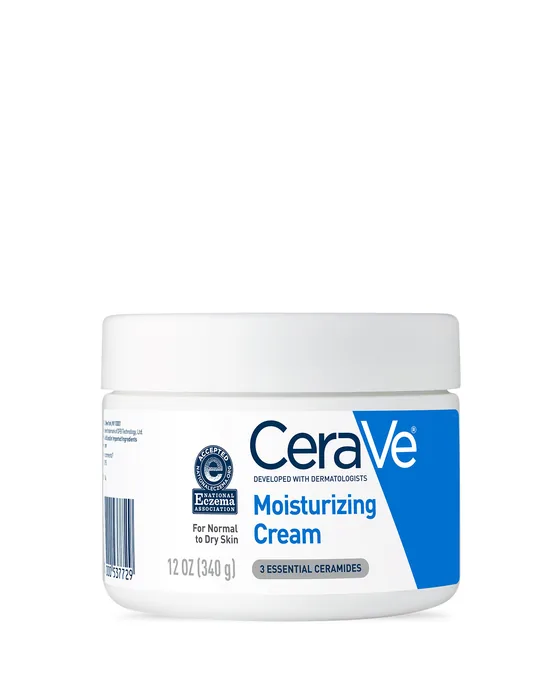
CeraVe Moisturizing Cream is built around three ceramides plus hyaluronic acid and an MVE delivery system that releases ingredients gradually. It reads as active barrier repair.
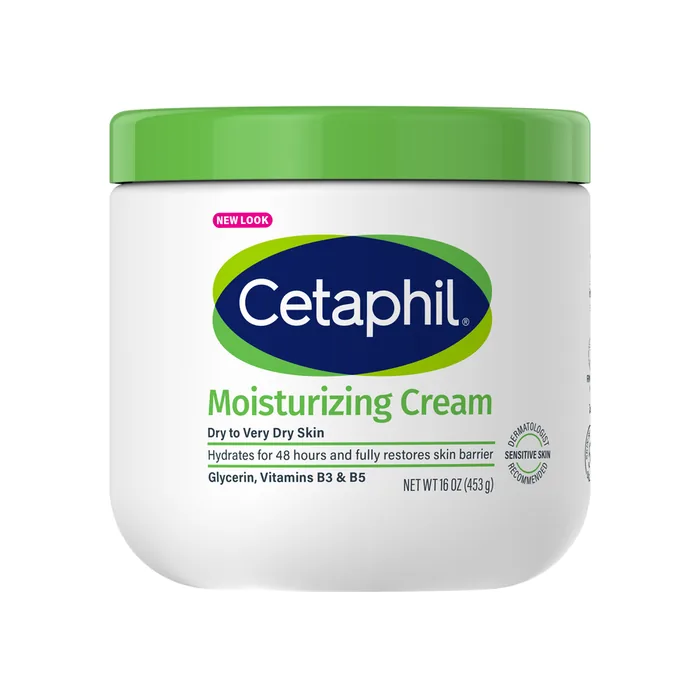
Cetaphil Moisturizing Cream is plainer and gentler, relying on glycerin and simple emollients with fewer ingredients to react to.
For barrier repair and a richer feel, CeraVe is the stronger moisturizer. For a stripped-back, low-variable cream for very reactive skin, Cetaphil is the safer default.
The shortest version
Choose CeraVe Moisturizing Cream for ceramide-led barrier repair.
Choose Cetaphil Moisturizing Cream for a plainer, lower-variable formula.
What is the difference between the two moisturizers?
CeraVe Moisturizing Cream leads with glycerin and petrolatum for moisture, then layers in three barrier-identical ceramides, hyaluronic acid, and cholesterol. The point is to rebuild the skin barrier, not just sit on top of it.
Cetaphil Moisturizing Cream keeps things simpler. It hydrates well with glycerin and emollients, but it does not center on ceramides, so it is more of a comfortable, gentle cream than a barrier-repair treatment.
| Cream | Core idea | Best for |
|---|---|---|
| CeraVe Moisturizing Cream | Three ceramides plus hyaluronic acid | Barrier repair, richer feel |
| Cetaphil Moisturizing Cream | Glycerin and simple emollients | Plain, low-variable hydration |
Texture and feel
CeraVe Moisturizing Cream is thick and cushioned, with a bit more slip and a more conditioned finish. It suits dry and very dry skin that wants a substantial cream.
Cetaphil Moisturizing Cream is similarly rich but feels plainer and less "treatment-like," which many reactive-skin users actually prefer because there is less going on.
Both sink in reasonably well for rich creams and both work best applied to slightly damp skin to help seal in moisture.
For dry skin, sensitive skin, and daily use
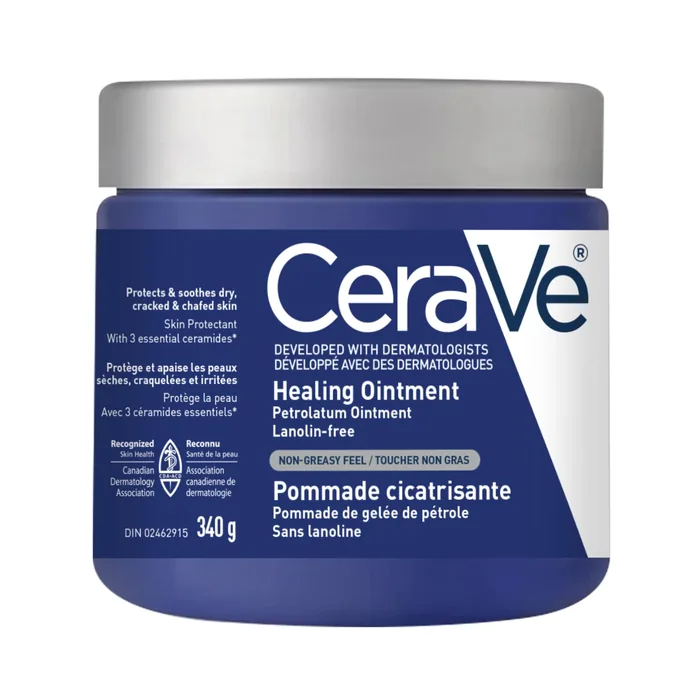
For a compromised or very dry barrier, CeraVe's ceramides give it the edge, and the brand's Healing Ointment is a good companion for the driest patches. If you are torn between CeraVe's own cream and its lighter lotion, see CeraVe Moisturizing Cream vs Lotion.
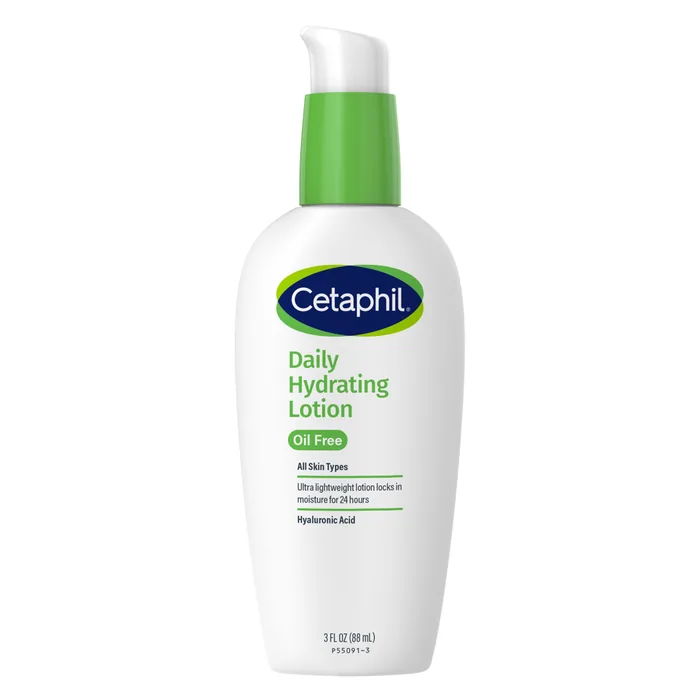
For highly reactive skin that flares from too many ingredients, Cetaphil's shorter list can be the safer choice, and its lighter Daily Hydrating Lotion is a good option when a full cream feels too heavy.
| Use case | Better fit | Why |
|---|---|---|
| Barrier repair | CeraVe Moisturizing Cream | Ceramides plus hyaluronic acid |
| Very reactive skin | Cetaphil Moisturizing Cream | Fewer ingredients to react to |
| Very dry patches | CeraVe Healing Ointment | Petrolatum plus ceramides |
| Lightweight daytime option | Cetaphil Daily Hydrating Lotion | Lighter texture with hyaluronic acid |
| Richest cushioned feel | CeraVe Moisturizing Cream | Thick, conditioned finish |
Which moisturizer should you choose?
If you want barrier repair and a richer, more cushioned cream, CeraVe Moisturizing Cream is the stronger moisturizer and the easy pick for dry or compromised skin. If your skin reacts easily and you want the simplest possible formula, Cetaphil Moisturizing Cream is the safer, plainer choice.
Both are inexpensive and fragrance-free, so consistency matters more than the logo. Beyond the creams, the brand pictures rhyme: CeraVe's non-foaming Hydrating Facial Cleanser and wider active range (including a retinol serum) make it the fuller system, while Cetaphil's classic Gentle Skin Cleanser keeps the same plain, low-variable philosophy as its cream.
Choose CeraVe Moisturizing Cream if...
- you want ceramides and barrier repair
- you like a richer, cushioned cream
- your skin is dry or compromised
Choose Cetaphil Moisturizing Cream if...
- your skin reacts to many ingredients
- you want the plainest formula
- you prefer a simple, gentle cream
Limitations and honest expectations
Neither cream treats the root cause of eczema or chronic dryness; both manage symptoms and support the skin. CeraVe's added ceramides help most people, but a longer list is simply more to react to for a small group. Cetaphil's shorter list is safer for that group but gives up the ceramide story.
Both are best on slightly damp skin, and both can feel heavy for oily skin if applied all over the face. Match the cream to how dry or reactive your skin actually is.
Editor's update · October 13, 2026
Updated October 13, 2026. The cleanser comparison added on September 28 now has its own page, CeraVe vs Cetaphil cleanser, with prices re-read from Ulta. This page focuses on the moisturizing creams and lighter lotions.