Neutrogena vs Olay at a glance
Neither brand is universally better. The smarter pick depends on what you actually want from your routine.
If your priority is lightweight hydration, easy layering, and drugstore basics that often suit combination or acne-prone skin, Neutrogena usually makes the stronger case. If your priority is wrinkle support, richer moisturisers, and anti-aging formulas built around niacinamide, peptides, and retinoid-adjacent routines, Olay often has the edge.
The best way to compare Neutrogena vs Olay is by looking at product range, ingredients, texture and finish, anti-aging focus, price and value, retail accessibility, and who each brand tends to suit best.
Both are mass-market skincare brands with huge retail reach. Both are easy to find in drugstores, grocery chains, big-box retailers, and online. But they are not doing exactly the same job.
Neutrogena tends to feel broader and more category-spread. It has a strong presence in cleansers, acne care, sunscreen, gel moisturisers, and accessible retinol basics. Olay is more tightly associated with moisturising and anti-aging, especially creams and serums aimed at fine lines, firmness, and mature skin concerns.
Quick verdict: who should choose which?
Choose Neutrogena if you want lightweight hydration, simpler layering, a brand that is strong in acne-prone and combination-skin basics, familiar drugstore actives like hyaluronic acid, glycerin, salicylic acid, and retinol, and textures that often feel lighter and less creamy.
Choose Olay if you want richer anti-aging moisturisers, peptide- and niacinamide-led formulas, a wrinkle-focused routine, creams that feel more treatment-oriented, and a better fit for dry, normal, or mature skin that likes more cushion.
How Neutrogena and Olay compare as brands
Neutrogena and Olay are both legacy mass skincare brands, but their positioning is different.
Neutrogena is part of Kenvue, the consumer health company that includes former Johnson & Johnson consumer brands. Its image has long leaned dermatologist-adjacent, practical, and category-diverse. It is the brand many shoppers know from acne washes, oil-free moisturisers, makeup removers, Hydro Boost, sunscreen, and entry-level retinol products.
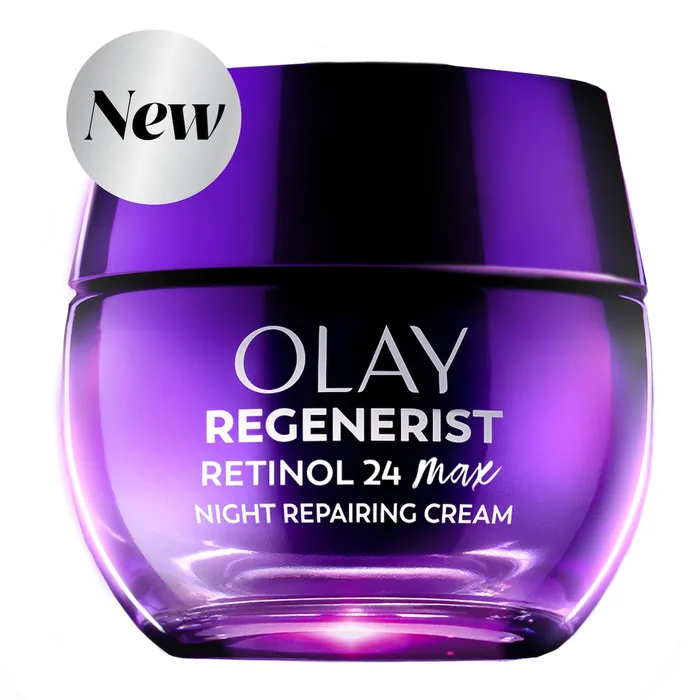
Olay is part of Procter & Gamble and has a longer-standing identity around moisturisation and anti-aging. Its brand equity is tied less to acne or cleansing and more to creams, serums, wrinkle care, and age-targeted product lines such as Regenerist and Retinol 24.
Both brands are global, widely distributed, and heavily visible in mainstream retail. The useful scale signals are obvious: broad shelf space, strong ad visibility, deep product catalogs, and backing from major parent companies with huge distribution power.
Where they sell online and offline
Both brands are extremely accessible, which matters if you want easy repurchasing.
| Channel | Neutrogena | Olay |
|---|---|---|
| Official brand site | Yes | Yes |
| Amazon | Widely available | Widely available |
| Walmart | Widely available | Widely available |
| Target | Widely available | Widely available |
| Ulta | Commonly available | Commonly available |
| CVS / Walgreens | Widely available | Widely available |
| Grocery chains | Common for hero products | Common for hero products |
Both show up across official sites, Amazon, Walmart, Target, CVS, Walgreens, and many grocery and pharmacy chains. The main caveat is that hero products, bundles, and limited-edition sets can vary by retailer.
Product line depth and category presence
Neutrogena has stronger visibility in cleansers, acne care, Hydro Boost hydration products, sunscreen, makeup removal, and retinol basics like Rapid Wrinkle Repair.
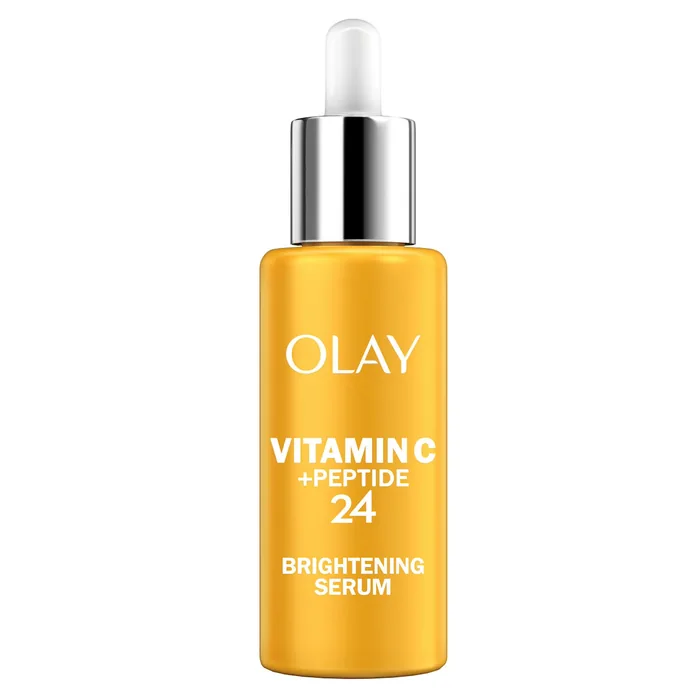
Olay is especially prominent in moisturisers, anti-aging creams, Regenerist, Retinol 24, Vitamin C lines, Super Serum, and firming-focused skincare.
In simple terms, Neutrogena feels like a broader skin basics brand. Olay feels more concentrated on anti-aging moisturising and treatment-style routines.
Ingredients, formulas, and what each brand is actually good at
This is where the difference becomes more useful than brand reputation.
Neutrogena is commonly associated with hyaluronic acid, glycerin, salicylic acid, retinol, lighter gel textures, and oil-free or fast-absorbing formulas.
Olay is commonly associated with niacinamide, peptides, retinoid-focused anti-aging products, richer cream textures, moisturiser-serum hybrids, and formulas aimed at smoothing and firm-looking skin over time.
That does not mean every Neutrogena product is light or every Olay product is rich. Formula quality varies by line, and some products from both brands are better than others. It is better to compare ranges than to assume the entire brand behaves one way.
Fragrance and tolerability also vary. Some products from both brands are fragrance-free or relatively straightforward, while others can be less ideal for very reactive skin. If you are sensitive, the exact product matters more than the logo on the jar.
Realistically, ingredients in either brand can help with hydration, smoother texture, and the appearance of fine lines over time. They can also support a firmer-looking surface if the formula is well built and used consistently. What they cannot do is create dramatic lifting or structural tightening.
Olay Regenerist vs Neutrogena Hydro Boost
This is one of the clearest examples of how the brands differ.
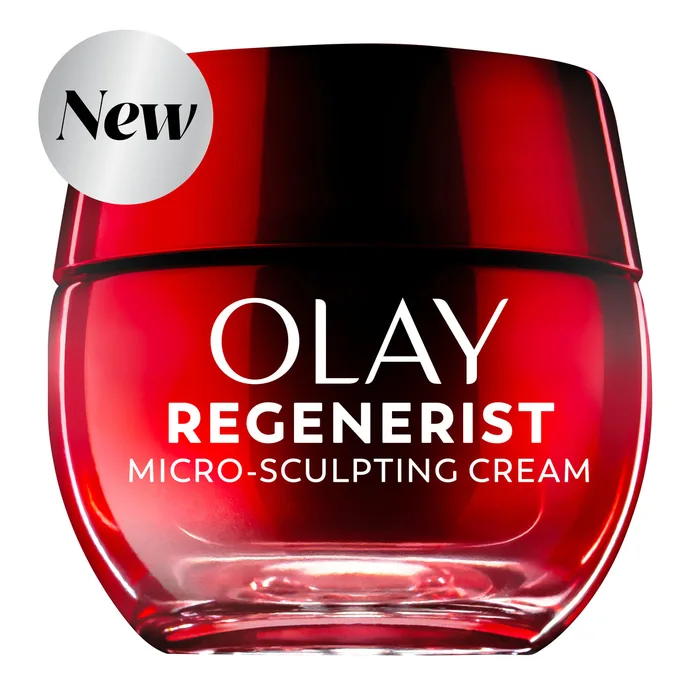
Olay Regenerist is more anti-aging coded. It is usually the better fit if you want a richer moisturiser with niacinamide-forward support and a more substantial cream feel.
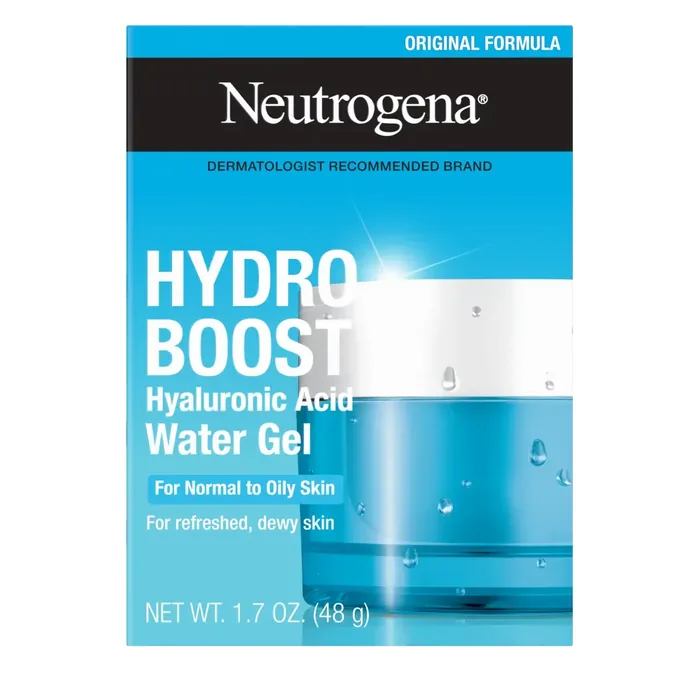
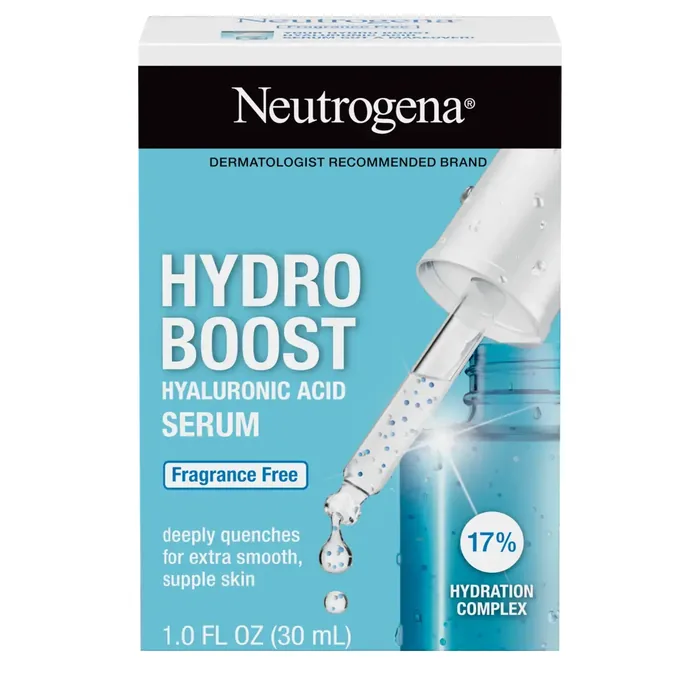
Neutrogena Hydro Boost is more hydration coded. It is usually the better fit if you want a lighter gel-cream that layers easily, feels less heavy, and works well under sunscreen or makeup.
| Line | Best for | Texture | Main strength | Skip if |
|---|---|---|---|---|
| Olay Regenerist | Normal to dry skin, wrinkle-focused routines | Richer cream | Moisture plus anti-aging support | You want a very light gel texture |
| Neutrogena Hydro Boost | Normal to oily or dehydration-prone skin | Lightweight gel-cream | Easy hydration and layering | You want a richer treatment-style cream |
If your skin feels tight, dull, and dryness is making lines look worse, Olay Regenerist often feels more supportive. If you mainly need hydration without heaviness, Hydro Boost usually makes more day-to-day sense.
Neutrogena vs Olay retinol lines
Neutrogena Rapid Wrinkle Repair and Olay Retinol 24 are both popular entry points into drugstore retinol routines, but they appeal to slightly different users.
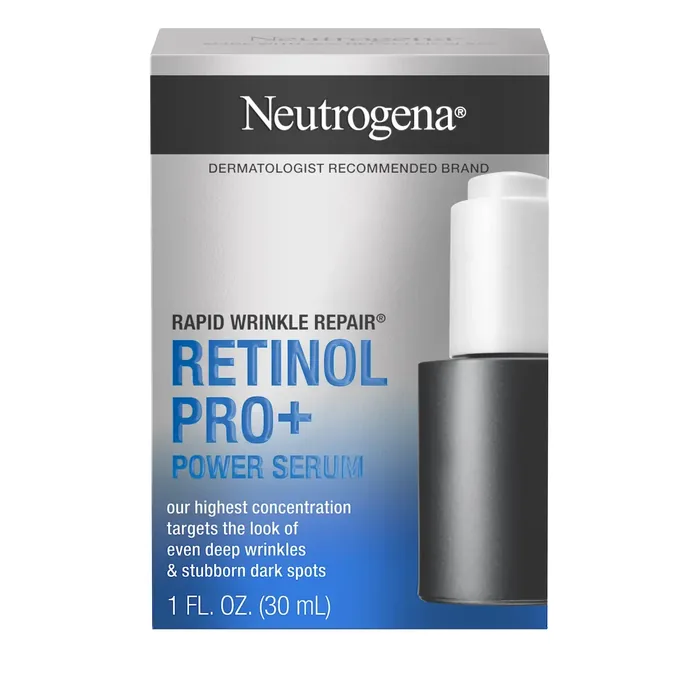
Neutrogena Rapid Wrinkle Repair tends to feel more treatment-style in a direct, familiar drugstore way. Olay Retinol 24 usually makes a stronger case for users who want retinol in a more moisturising, cushiony formula with a broader anti-aging feel.
| Retinol line | Likely fit | Texture | Best for |
|---|---|---|---|
| Neutrogena Rapid Wrinkle Repair | Users who want a straightforward retinol-focused option | Lighter lotion or cream-serum feel | Fine lines, texture, simpler retinol routines |
| Olay Retinol 24 | Users who want retinol plus moisturising support | Creamier, more cushioned | Drier skin, anti-aging routines, overnight use |
Neither line should be treated like a guaranteed wrinkle fix. Retinoids are among the better-supported cosmetic actives for improving the look of fine lines and texture, but tolerance matters, and results depend on consistency. If you want a deeper dive into evening retinol routines, see our guide to the best night cream.
Neutrogena vs Olay for wrinkles, mature skin, and everyday use
If your main concern is wrinkles, Olay often has the stronger anti-aging identity. Its product lines are more clearly built around moisturising support, niacinamide, peptides, and wrinkle-focused positioning.
Neutrogena is still competitive, especially if you want retinol-led options and lighter textures. For some users, that will be more practical than a richer cream they end up avoiding.
For mature dry skin, Olay often wins because the textures are more cushioning. For oily or combination skin, Neutrogena often wins because its lighter formulas can feel easier to layer. For sensitive skin, neither brand automatically wins; fragrance, retinoids, and stronger actives raise the risk of irritation regardless of brand. For first-time retinol users, Olay may feel easier if you want a moisturiser-first overnight routine, while Neutrogena may appeal more if you want a straightforward retinol product.
Usability matters more than people think. Lightweight gels are often easier under sunscreen and makeup, while richer anti-aging creams make more sense at night or for drier skin. A formula can look strong on paper but still be the wrong fit if it pills, feels greasy, or never gets used consistently.
Which is better for your skin type?
| Skin type or goal | Better brand fit | Why |
|---|---|---|
| Dry to normal mature skin | Olay | Richer creams and stronger anti-aging identity |
| Normal to oily skin | Neutrogena | Lighter hydration and easier layering |
| Dehydration-prone skin | Neutrogena | Hydro-focused gel textures often feel more comfortable |
| Early wrinkle routine | Olay or Neutrogena | Olay for cushioned moisture, Neutrogena for direct retinol support |
| Very sensitive skin | Depends on product | Exact formula matters more than brand name |
The same realistic approach applies if your concern is the eye area, which we cover in the best eye cream for wrinkles guide.
Price, value, and realistic expectations
Both brands sit in the drugstore-to-premium-mass range, but Olay often prices some of its anti-aging lines a bit higher. Neutrogena can feel more affordable in core hydration categories, especially where gel moisturisers and basic skincare staples are concerned.
Value also depends on whether you are buying a hero cream, a serum, a set, or a retinol treatment. Both brands are commonly discounted, bundled, or promoted through major retailers, so list price is not always the final price.
| Value factor | Neutrogena | Olay |
|---|---|---|
| Core hydration pricing | Often more affordable-feeling | Competitive but less value-led in anti-aging lines |
| Anti-aging cream pricing | Mid-range | Often slightly higher in premium-mass lines |
| Discounts and bundles | Common | Common |
| Repurchase convenience | Excellent | Excellent |
Both brands can help with hydration, smoother-looking texture, softer fine lines caused by dryness, and firmer-looking skin over time with consistent use. Neither brand's creams will reposition tissue, remove loose skin, deliver procedure-level lifting, or correct significant sagging. That does not make them useless. It just means they should be judged as topical skincare, not as substitutes for in-office treatments.
Bottom line: when Neutrogena wins and when Olay wins
Neutrogena wins when you want lightweight hydration, simple layering, accessible basics, normal-to-oily-friendly textures, and a familiar drugstore retinol route without a richer cream routine.
Olay wins when you want wrinkle-focused creams, richer textures, anti-aging routines that feel more treatment-oriented, niacinamide- and peptide-friendly moisturiser support, and a better fit for dry, normal, or mature skin.
The best shopping approach is to choose by product family and concern, not brand loyalty alone.
Editor's update · August 2, 2026
As of August 2026 we rechecked pricing and added a dedicated head-to-head of the two flagship moisturizers, Hydro Boost Water Gel and Regenerist Micro-Sculpting Cream. The brand-level takeaway is the same: Neutrogena for lightweight hydration and accessible actives, Olay for richer anti-aging built on niacinamide and peptides.