La Roche-Posay vs Cetaphil: the quick answer
La Roche-Posay and Cetaphil are both dermatologist-recommended and both aimed at sensitive skin, but they sit at different tiers.
La Roche-Posay is a French dermatological brand built on thermal spring water, with more targeted formulas like the Toleriane sensitive range and a well-regarded sunscreen lineup. It costs a bit more.
Cetaphil is the plainer, cheaper, more widely available classic, built around famously mild cleansers and simple moisturizers.
For targeted sensitive-skin care and strong sun protection, La Roche-Posay has the edge. For a no-frills gentle routine at the lowest price, Cetaphil is the dependable pick.
The shortest version
Choose La Roche-Posay for targeted sensitive-skin formulas and standout sunscreens.
Choose Cetaphil for a plain, affordable, gentle routine.
What is the difference between La Roche-Posay and Cetaphil?
La Roche-Posay, owned by L'Oreal, formulates around La Roche-Posay thermal spring water and positions itself as a dermatological brand. Its Toleriane line targets sensitive and reactive skin, and its Anthelios sunscreens are among the most recommended at the drugstore.
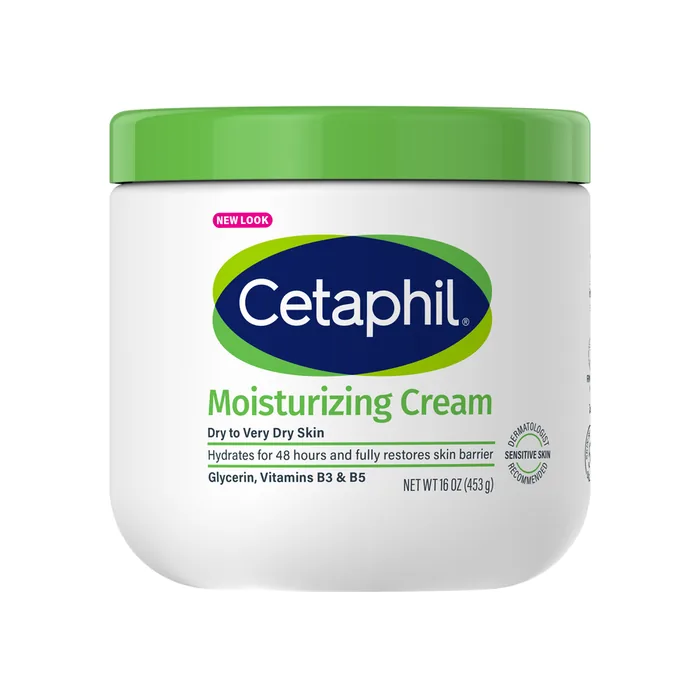
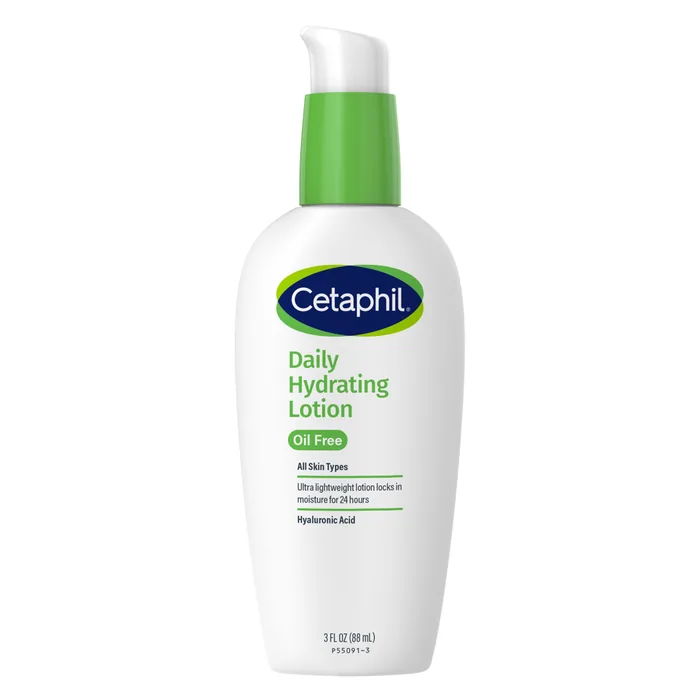
Cetaphil, owned by Galderma, is built on restraint. Its Gentle Skin Cleanser and Moisturizing Cream are mild, simple, and fragrance-free, with glycerin doing much of the work, and the Daily Hydrating Lotion adds hyaluronic acid in a lighter texture.
| Line | Positioning | Standout |
|---|---|---|
| La Roche-Posay | French dermatological, thermal water | Toleriane range, Anthelios sunscreens |
| Cetaphil | Plain, gentle, affordable classic | Gentle Skin Cleanser |
Ingredients and formulas
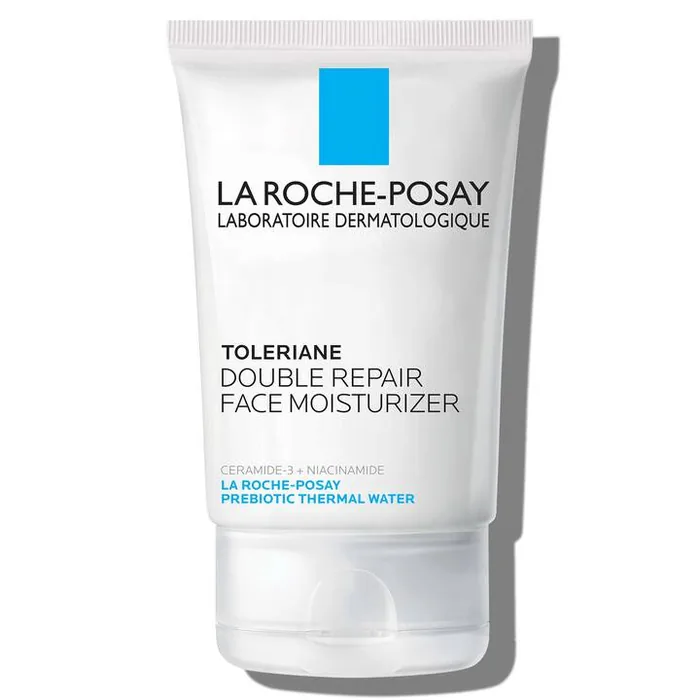
La Roche-Posay tends to build more targeted formulas: the Toleriane Double Repair moisturizer pairs ceramides and niacinamide with its thermal water, and the range includes specific options for oily, reactive, and compromised skin.
Cetaphil keeps its lists short and unremarkable on purpose, which is its whole appeal for reactive skin. Both lines support the barrier and reduce dryness, but La Roche-Posay leans more targeted while Cetaphil leans minimal.
Cleansers, moisturizers, and sun care
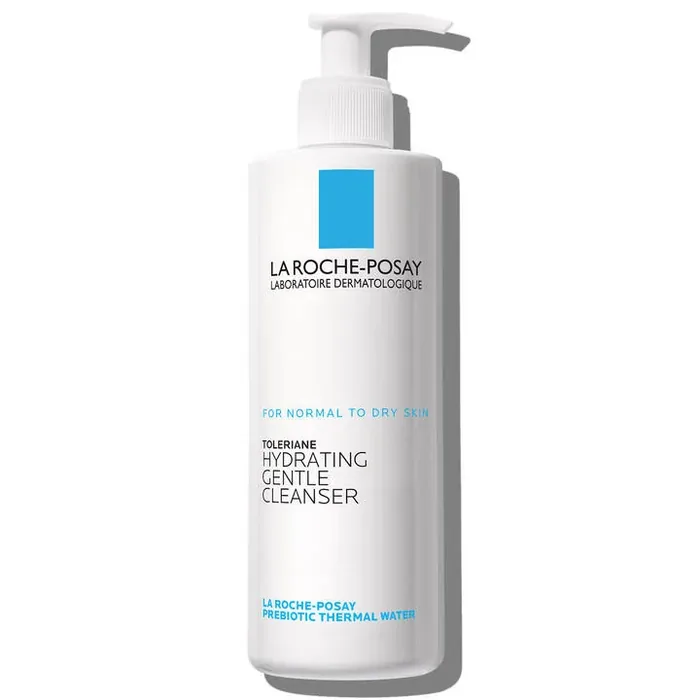
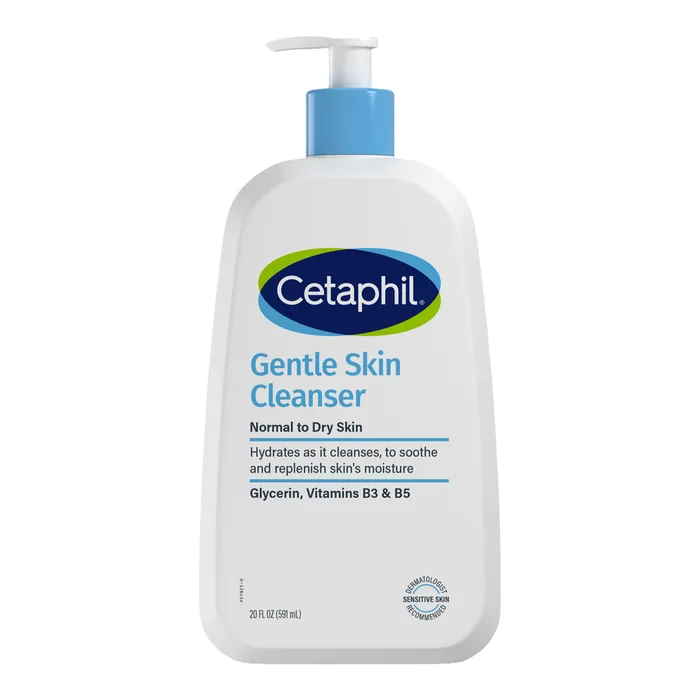
For cleansing, both are gentle. La Roche-Posay's Toleriane Hydrating Gentle Cleanser is ceramide-supported, while Cetaphil's Gentle Skin Cleanser is the more iconic mild classic that can be used with or without water.
For moisturizing, La Roche-Posay's Toleriane Double Repair is the more active barrier cream, and Cetaphil's Moisturizing Cream is the plainer, dependable option.
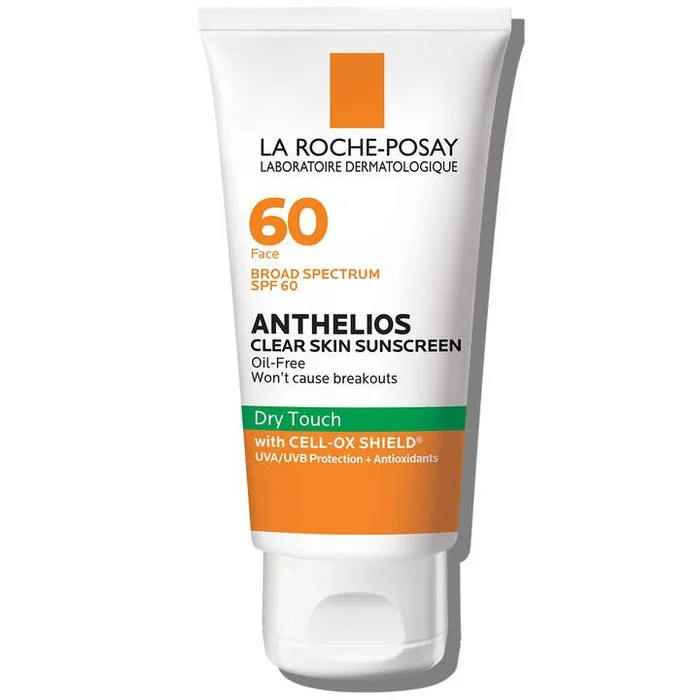
Sun care is where La Roche-Posay pulls clearly ahead. Its Anthelios sunscreens are widely recommended, and Cetaphil does not have an equivalent flagship in that category.
| Use case | Better fit | Why |
|---|---|---|
| Targeted sensitive-skin moisturizer | La Roche-Posay Toleriane | Ceramides and niacinamide with thermal water |
| Plain gentle cleanser | Cetaphil | Famously mild classic |
| Sunscreen | La Roche-Posay Anthelios | Standout drugstore sun care |
| Lowest-price gentle routine | Cetaphil | Cheaper and widely available |
| Reactive, compromised skin | La Roche-Posay | Purpose-built reactive-skin range |
Which should you choose?
If you want targeted formulas for reactive skin and a genuinely strong sunscreen, La Roche-Posay is worth the small premium. If you want a plain, dependable gentle routine at the lowest price, Cetaphil is a classic for good reason.
Both are gentle and fragrance-conscious, so the decision is targeted care versus minimal simplicity. For related sensitive-skin matchups, see our La Roche-Posay vs CeraVe and Cetaphil vs Vanicream comparisons.
Choose La Roche-Posay if...
- you want targeted formulas for reactive skin
- you want a standout sunscreen line
- you do not mind paying a little more
Choose Cetaphil if...
- you want a plain, gentle routine
- you want the lowest price
- you like the classic mild cleanser
Limitations and honest expectations
Neither line treats the root cause of eczema, rosacea, or chronic sensitivity; both manage symptoms and support the skin. La Roche-Posay's targeted formulas cost more, which is not always necessary for mild dryness. Cetaphil's range is broad, so read individual labels rather than assuming every product suits reactive skin.
As with any new product, patch test first, especially if your skin reacts easily.
Editor's update · August 2, 2026
This August 2026 update rechecked both. La Roche-Posay's targeted Toleriane formulas and Anthelios sunscreens still justify the premium, and Cetaphil is still the lowest-fuss gentle routine; the sunscreen gap continues to favor La Roche-Posay.