What the best eye cream can realistically do
The best eye cream can usually do three things well: hydrate, smooth, and help the under-eye area look a bit fresher and firmer. That is useful, but it is also where many eye cream purchases go wrong. Not every under-eye concern responds to the same type of product.
Dark circles, puffiness, fine lines, and deeper hollowness can look similar in the mirror, but they are not the same problem. That matters because the best eye creams for dark circles are not always the best eye cream for wrinkles, and the best eye cream for dark circles and puffiness may still do very little for under-eye hollows caused by facial structure.
A good eye cream can help the eye area look smoother, less dry, and more awake. Some formulas can support a brighter-looking appearance over time, especially if dryness, dullness, or mild morning puffiness are part of the issue. What an eye cream cannot do is replace sleep, correct volume loss, or create procedure-level lifting.
If your main concern is:
- dark circles, look first at brightening and barrier-supporting formulas
- puffiness, look for lightweight de-puffing textures and ingredients like caffeine
- fine lines and crepey texture, richer hydrating creams or gentle retinol eye creams make more sense
- mixed concerns, the best eye cream for wrinkles and dark circles is usually a balanced formula with peptides, humectants, and some brightening support
Why eye creams disappoint when the concern is misidentified
A lot of disappointing eye cream reviews come down to the wrong product being used for the wrong issue.
Pigment-related dark circles can need brightening support. Shadowing from hollow tear troughs often looks dark but is more about anatomy than skincare. Morning puffiness is usually different again, and dry fine lines can improve quickly with a richer cream even when deeper expression lines do not.
Here is the practical distinction:
| Concern look-alike | What may actually be causing it | What an eye cream can realistically do |
|---|---|---|
| Brown or uneven dark circles | Pigment, sun exposure, post-inflammatory discoloration | May help brighten gradually with niacinamide or vitamin C derivatives |
| Blue, purple, or shadowy circles | Vascular visibility or hollowness | May hydrate and smooth, but will not fix structural shadowing |
| Morning under-eye swelling | Fluid retention, lack of sleep, salt, allergies | May temporarily reduce puffiness, especially with cooling gels or caffeine |
| Crinkled fine lines | Dryness and dehydration | Often responds well to humectants, ceramides, and richer creams |
How to choose the best eye cream for your main concern
Before looking at the picks, it helps to match your concern to the kind of formula that makes sense.
If you want the best eye cream for wrinkles and dark circles, a formula with peptides, niacinamide, humectants, and a comfortable texture is often the most balanced place to start. If you only want basic hydration, a gentle eye cream or even a bland facial moisturizer may be enough.
Texture matters more around the eyes than many shoppers expect. Gel creams are often better for puffiness, daytime wear, and makeup compatibility. Richer creams are usually better for dry, mature, or crepey under-eyes, especially at night.
Tolerance matters too. The eye area is thin and easily irritated. Fragrance, essential oils, aggressive acids, and retinoids used too often can backfire fast. If you are milia-prone, very heavy formulas may not be ideal. If your concealer creases, a lighter eye cream often performs better under makeup.
Value also matters. Eye creams are usually small, so packaging and pricing count. Airless pumps or opaque tubes can be more practical for retinol or vitamin C formulas than wide jars. And if the product is basically a tiny, expensive moisturizer with no eye-specific advantage, it may not be worth the premium.
Best eye cream ingredients for dark circles and puffiness
For dark circles and puffiness, the best ingredients are usually the ones that improve hydration, support brightness, or help with temporary de-puffing rather than making big lifting claims.
| Ingredient | What it may help with | Best fit |
|---|---|---|
| Caffeine | Temporary de-puffing and a slightly tighter look | Morning puffiness and tired-looking eyes |
| Niacinamide | Barrier support, tone, and mild brightening support | Uneven-looking under-eyes and sensitive skin |
| Vitamin C derivatives | Brightening support with potentially better tolerance than pure ascorbic acid | Dull or pigment-prone under-eyes |
| Peptides | Smoother, firmer-looking skin over time | Mixed concerns including early fine lines |
| Humectants like hyaluronic acid and glycerin | Hydration and plumping | Dryness-related crinkling and general under-eye dullness |
The key is realistic framing. Caffeine can help with puffiness, but it is not a permanent fix. Niacinamide and vitamin C derivatives may improve the look of dark circles over time, but they will not erase hereditary or anatomy-driven darkness.
Best eye cream ingredients for wrinkles and crepey texture
If your main issue is lines, crepey texture, or a dry under-eye area that makes wrinkles look worse, the ingredient strategy changes. We go deeper on this in our guide to the best eye cream for wrinkles.
| Ingredient | What it may help with | Trade-off |
|---|---|---|
| Retinol or retinal | Fine lines, texture, firmer-looking skin over time | Higher irritation risk, especially near sensitive eyes |
| Peptides | Gradual smoothing and firmness support | Usually subtler than retinoids |
| Ceramides | Barrier support and comfort | Better for support than dramatic change |
| Hyaluronic acid | Temporary plumping and hydration | Short-term surface benefit, not structural change |
| Barrier-supporting emollients | Softer, smoother skin and less visible dryness lines | Can feel too rich for oily skin or daytime use |
Retinoids are among the stronger cosmetic options for wrinkle-focused shoppers, but they also raise the tolerance bar. If you have easily irritated eyes, a peptide and ceramide formula is usually the safer buy.
What to avoid if your eye area is sensitive
If your eye area is reactive, keep the formula simple. Strong fragrance, essential oils, harsh exfoliating acids, and overly active formulas are common problems. Retinoids can be useful, but overapplying them too close to the lash line is one of the easiest ways to trigger irritation. The same care we describe for sensitive skin applies around the eyes.
A safer strategy is:
- fragrance-free or very low-fragrance formulas
- fewer competing actives
- cream textures with barrier support
- slower retinol use, if using it at all
Best eye cream picks by use case
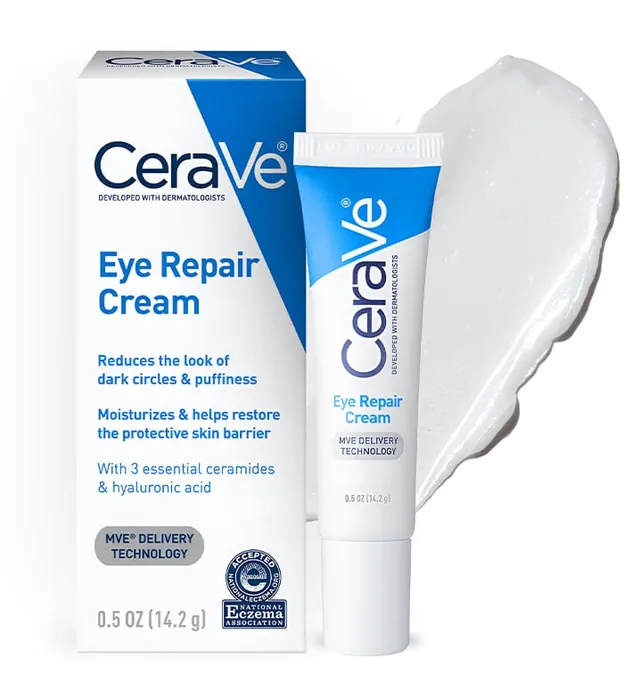
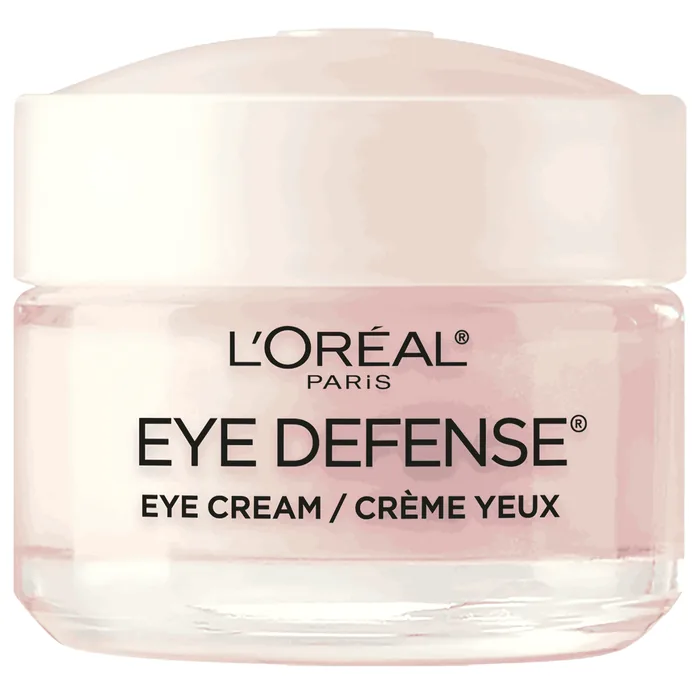
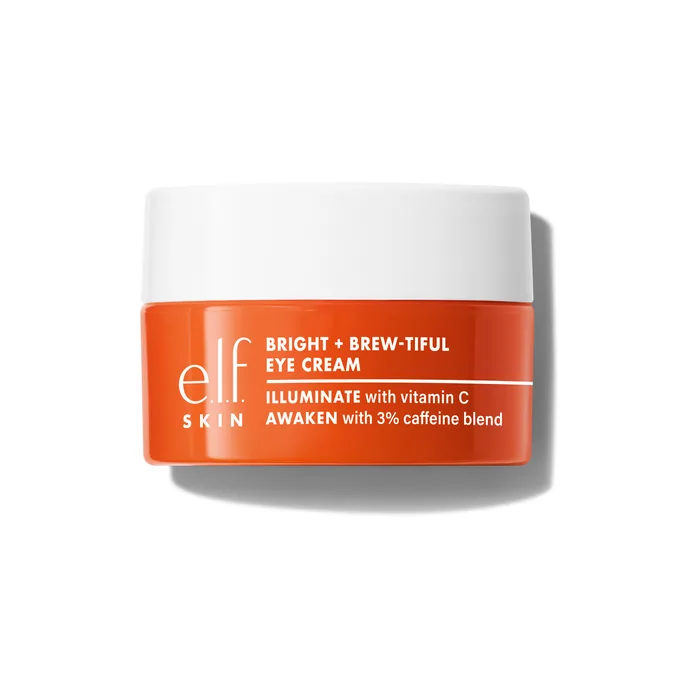
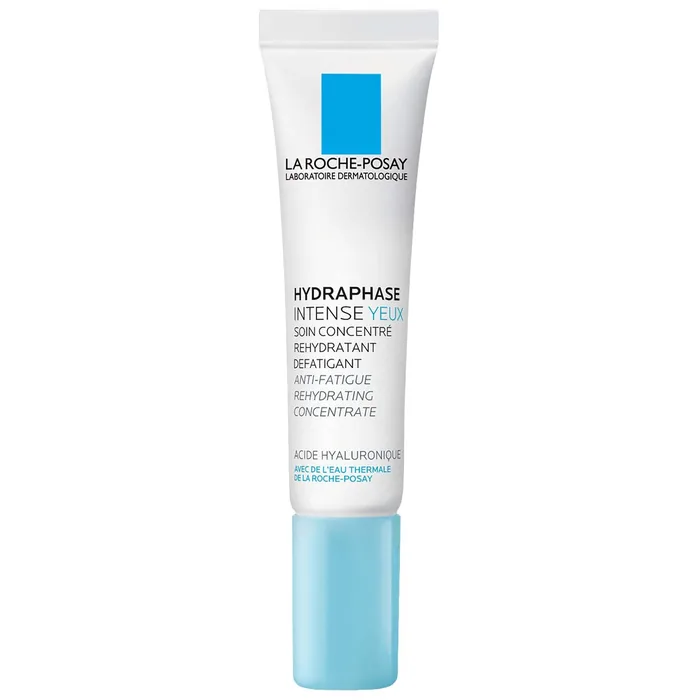
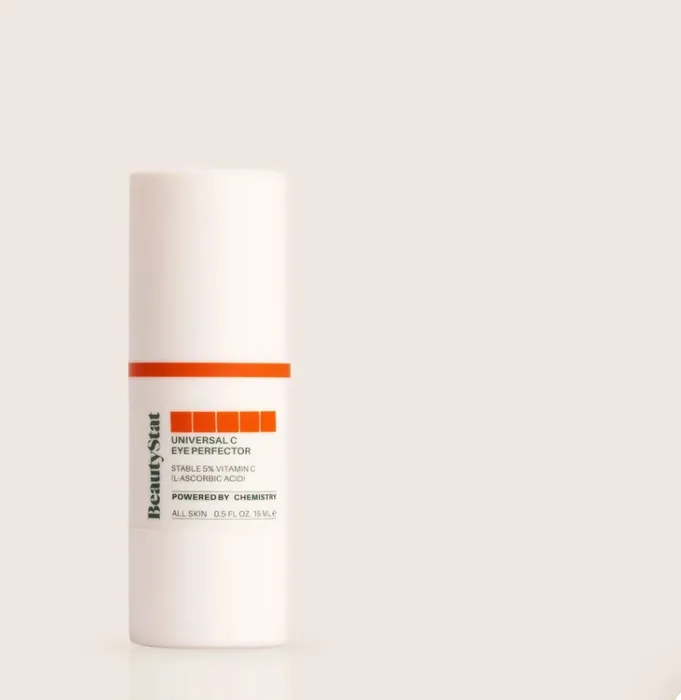
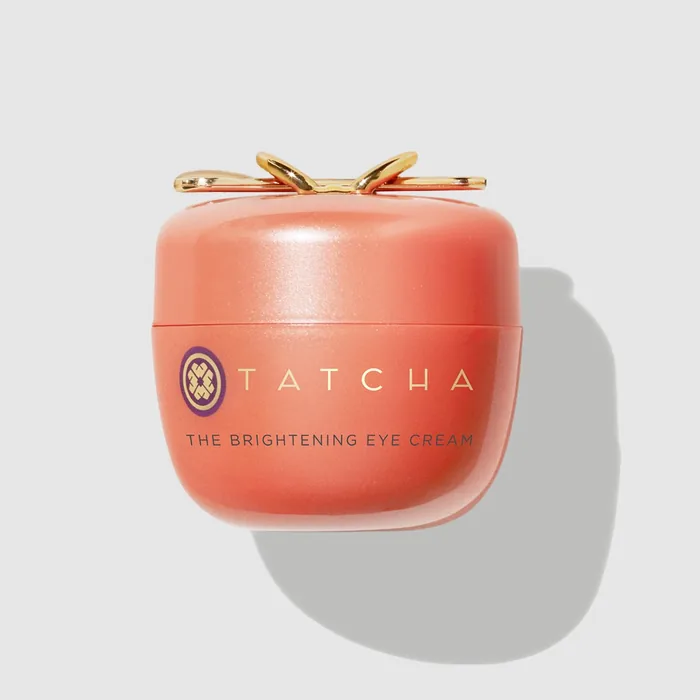
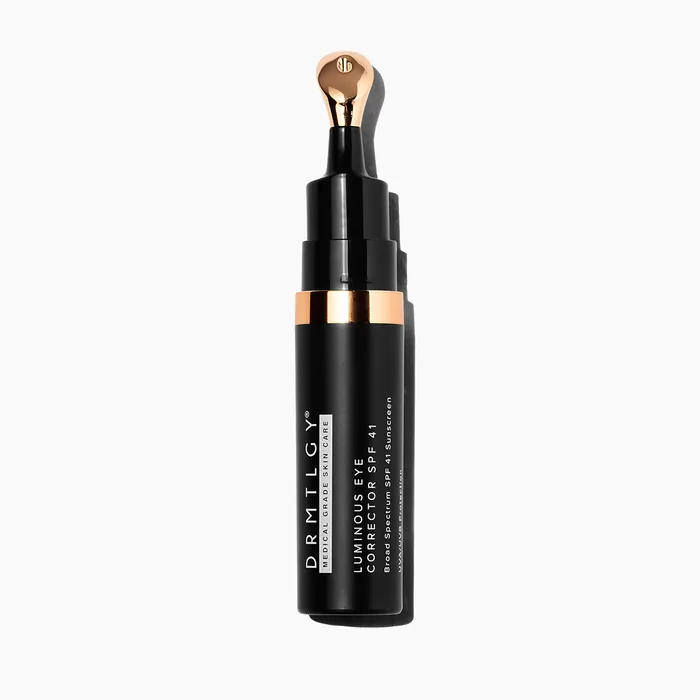
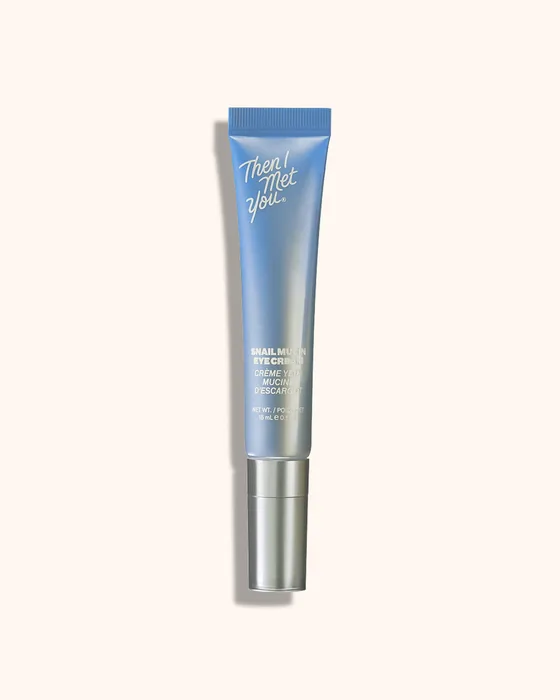
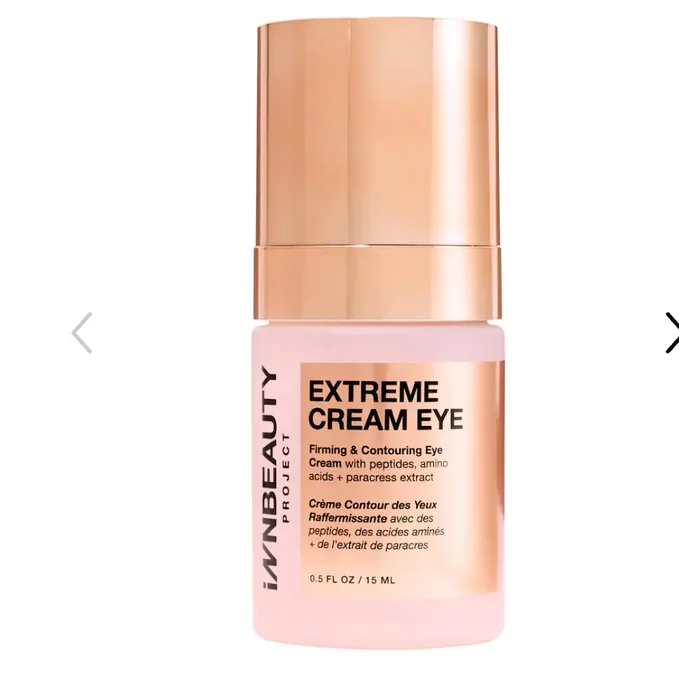
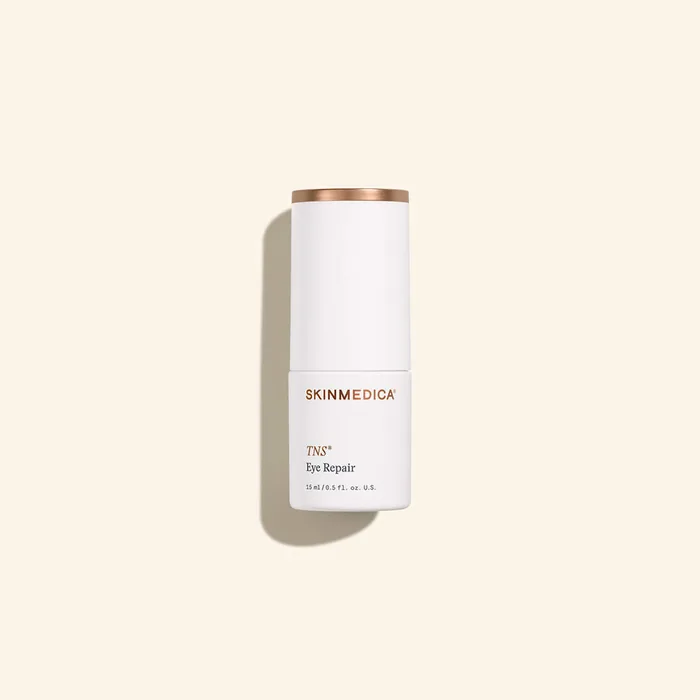
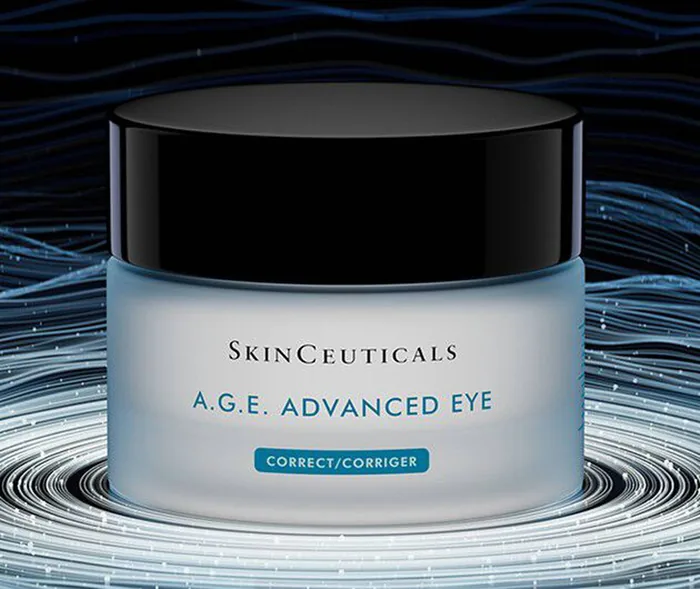
There is no single best eye cream for everyone. The better question is which product best fits your main concern, skin tolerance, and routine. The picks here map to those use cases, from simple drugstore basics to clinical, growth-factor formulas. Each one carries a "Best for" label and a short read on who it suits, plus current US pricing. These are researched and verified against brand pages, not BLC lab-tested.
How to use eye cream for the best results
Use a small amount, usually about a rice-grain size per eye. Apply it gently around the orbital bone rather than rubbing it right up against the lash line. Most products will migrate slightly on their own.
Consistency matters more than overapplying. A thin, regular layer used every day usually does more than occasional heavy application. This is especially true with retinol and peptide formulas.
For daytime, lighter gels and gel-creams tend to sit better under sunscreen and concealer. For nighttime, richer creams can make more sense if dryness and crepey texture are your main concern.
If you use sunscreen, apply eye cream first, then sunscreen. If you wear concealer, let the eye cream settle for a minute before makeup. The products that work best under makeup are usually the ones that hydrate without leaving a slippery film.
If you are pregnant, nursing, using prescription skincare, or have very reactive skin, check with a dermatologist before adding retinoids or stronger actives around the eye area.
Can you use regular moisturizer instead of eye cream?
Sometimes yes. If your only issue is mild dryness and your facial moisturizer is gentle, fragrance-free, and non-irritating, you may not need a separate eye cream.
A dedicated eye product makes more sense when you want one of four things:
- a lighter texture that works better under concealer
- a de-puffing formula with caffeine
- a carefully formulated retinol eye cream
- better tolerability for a sensitive eye area
So the answer is not that everyone needs an eye cream. It is that some eye creams solve a more specific problem than a basic face moisturizer does.
What eye cream cannot fix and when to adjust your expectations
Eye creams can hydrate, smooth, and modestly improve the look of the under-eye area. They can make fine lines from dryness less obvious. They can sometimes help with a brighter or less puffy appearance. What they do not do is remove structural hollows, permanently erase dark circles, or lift tissue the way a procedure can.
Dark circles are often more complicated than skincare marketing suggests. They may be related to genetics, pigmentation, allergy rubbing, vascular visibility, or facial anatomy. That is why the best eye cream for dark circles is sometimes only a partial answer.
A simple buying framework works better than chasing big claims:
- choose a hydrating formula if your main issue is dryness, concealer creasing, or crinkling
- choose a caffeine-led formula if morning puffiness is your biggest concern
- choose a retinol eye cream if fine lines and texture are the priority and your skin can tolerate it
- choose a gentle, fragrance-free formula if irritation is common for you
The best eye cream is the one that matches the problem you actually have, not the one making the loudest promise.
When to consider a dermatologist instead of another eye cream
If the eye area stays irritated, develops eczema-like symptoms, shows pronounced pigment changes, or reacts repeatedly to even gentle skincare, it makes sense to get professional advice rather than cycling through more products. The same applies if your main concern looks more like structural hollowness or persistent swelling than a skincare issue. That is not alarmist. It is just a better use of your time and money.