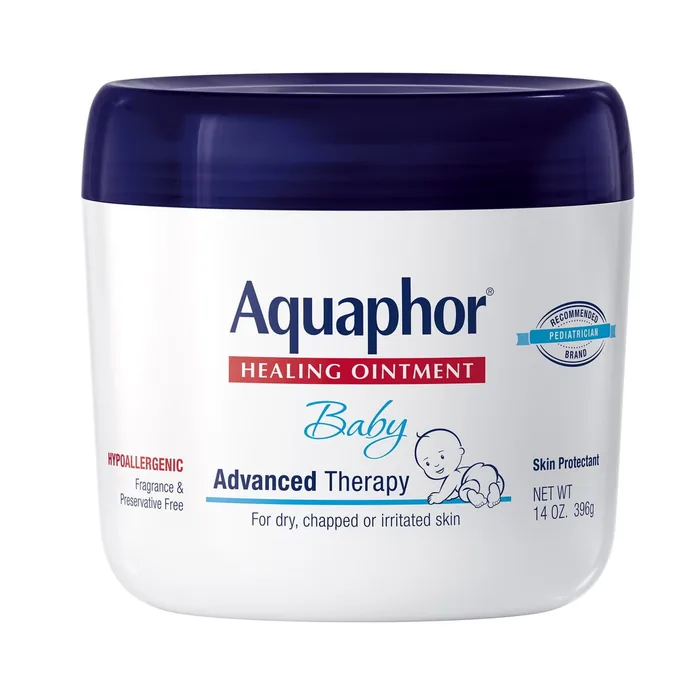
CeraVe Healing Ointment vs Aquaphor: the quick answer
Both are petrolatum-based ointments that protect the skin by sealing the surface and slowing water loss. They are used for the same jobs: chapped lips, dry patches, slugging, minor scrapes, tattoo aftercare, and post-procedure protection.
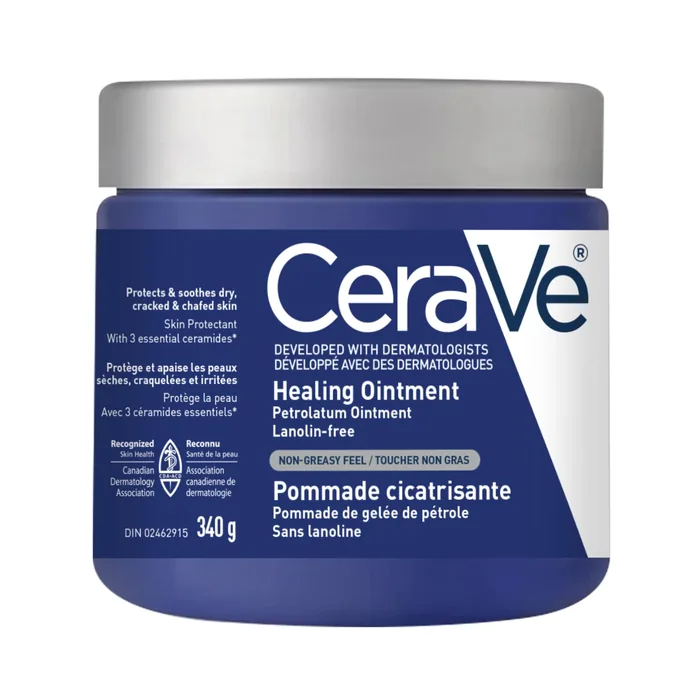
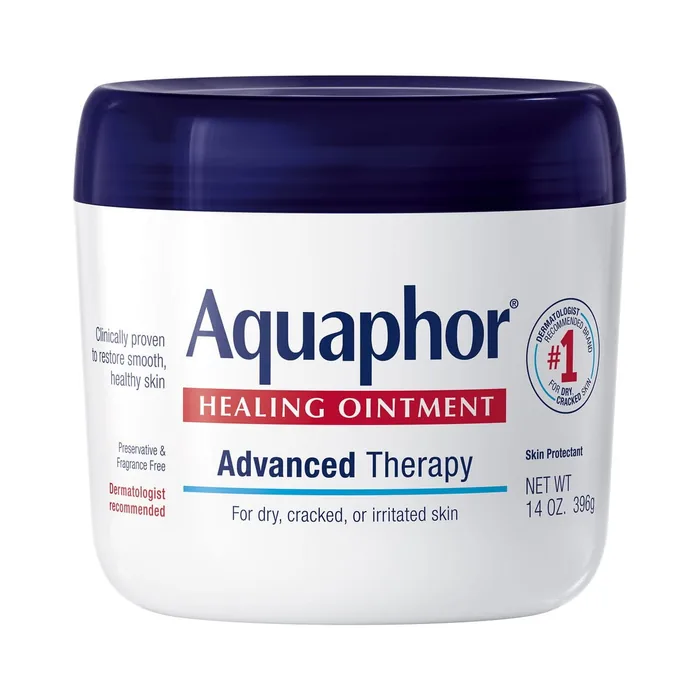
The clearest difference is one ingredient. Aquaphor Healing Ointment contains lanolin alcohol, which gives it a soft, classic feel but is a known sensitizer for a minority of people. CeraVe Healing Ointment is lanolin-free and adds ceramides and hyaluronic acid to its petrolatum base.
If you know you are lanolin-sensitive, or you simply want barrier lipids in your occlusive, CeraVe Healing Ointment is the safer pick. If you like Aquaphor's feel and lanolin has never bothered you, there is no reason to switch.
The shortest version
Choose CeraVe Healing Ointment if you want a lanolin-free ointment with added ceramides.
Choose Aquaphor if you prefer its classic texture and do not react to lanolin.
What is the difference?
Both products are built on petrolatum, the occlusive that does most of the work. CeraVe Healing Ointment is about 46.5 percent petrolatum, plus ceramides, hyaluronic acid, and dimethicone. Aquaphor Healing Ointment is about 41 percent petrolatum, plus mineral oil, panthenol, glycerin, bisabolol, and lanolin alcohol.
That lanolin alcohol is what makes Aquaphor feel softer and more spreadable. It is also the single ingredient most likely to cause a reaction, which is why lanolin-free alternatives exist in the first place.
| Product | Petrolatum | Notable adds | Lanolin |
|---|---|---|---|
| CeraVe Healing Ointment | About 46.5% | Ceramides, hyaluronic acid | No |
| Aquaphor Healing Ointment | About 41% | Panthenol, glycerin, bisabolol | Yes (lanolin alcohol) |
Texture and finish
Aquaphor is famous for its soft, easy-to-spread feel, and the lanolin is a big part of that. CeraVe Healing Ointment is slightly firmer and less slippery, but it still spreads well once warmed, and many people cannot tell much difference on the lips or on a dry patch.
Both leave a glossy, protective film and both work best on slightly damp skin so they can trap existing moisture rather than sitting on a dry surface.
For lips, slugging, and dry patches
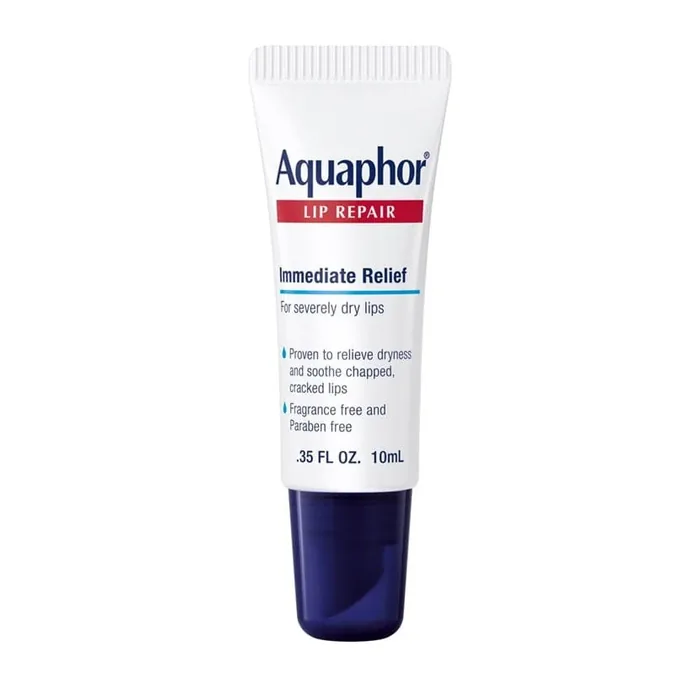
For lips, both are excellent. Aquaphor Lip Repair is a dedicated lip format that many people love, while CeraVe Healing Ointment works just as well straight from the tube.
For slugging, either one seals in your moisturizer overnight. CeraVe's added ceramides are a small bonus, but the occlusive effect is the main event for both.
For minor wounds, tattoos, and post-procedure skin, both are commonly recommended to keep the area protected. Follow whatever aftercare instructions you have been given first.
| Use case | Better fit | Why |
|---|---|---|
| Lanolin-sensitive skin | CeraVe Healing Ointment | Lanolin-free formula |
| Softest, most spreadable feel | Aquaphor | Lanolin alcohol adds slip |
| Dedicated lip product | Aquaphor Lip Repair | Purpose-built lip format |
| Slugging over moisturizer | Tie | Both seal well; CeraVe adds ceramides |
| Baby or very delicate skin | Aquaphor Baby or CeraVe | Both offer gentle options |
Which should you choose?
This is a use-case and tolerance decision, not a brand-loyalty one.
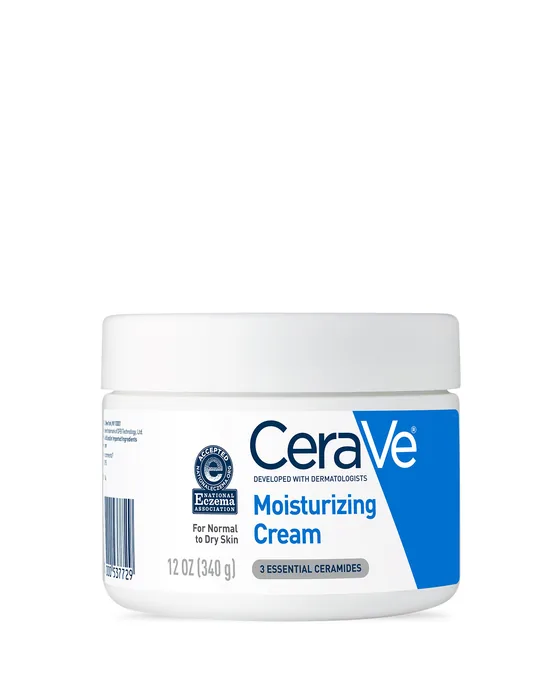
Pick CeraVe Healing Ointment if you are lanolin-sensitive, want ceramides in the mix, or simply prefer a fragrance-free, lanolin-free occlusive. Pick Aquaphor if you love the classic feel and lanolin has never been an issue. For a broader look at simple occlusives, our Aquaphor vs Vaseline comparison covers the petrolatum-only end of the spectrum, and if you want a daily face cream instead, CeraVe Moisturizing Cream is a gentler everyday step.
Choose CeraVe Healing Ointment if...
- you are sensitive to lanolin
- you want added ceramides and hyaluronic acid
- you prefer a lanolin-free occlusive
Choose Aquaphor if...
- you like its soft, spreadable texture
- lanolin has never bothered your skin
- you want a dedicated lip format
Limitations and honest expectations
Neither ointment hydrates on its own. Both are sealants: they trap the water that is already there and protect the surface, which is exactly why they shine over a moisturizer or on damp skin rather than as a stand-alone routine.
Heavy occlusives can feel like too much on oily or acne-prone skin if applied all over, so use them selectively. And for deep, infected, or worsening wounds, neither product replaces medical care.
Editor's update · August 2, 2026
This August 2026 update rechecked both ointments. CeraVe Healing Ointment is still the lanolin-free, ceramide-added choice, and Aquaphor still wins on that classic soft, spreadable feel; the decision continues to hinge on lanolin tolerance more than anything else.