Aquaphor vs Vaseline: the quick answer
The short version is simple: both Aquaphor and Vaseline are barrier-protecting occlusives built around petrolatum, but Vaseline is the simpler formula and Aquaphor is the more layered ointment.
If you want the most straightforward, ingredient-minimal option, Vaseline usually makes more sense. If you want something that still protects well but feels a bit easier to spread and includes a few added supportive ingredients, Aquaphor is often the better fit.
Neither one is a cure-all. Both are best at reducing moisture loss and protecting dry, irritated, or chapped skin from further water loss. The right choice depends on what you are using it for: lips, face, minor wound care, slugging, eczema-prone dryness, or very sensitive skin.
This is not really a brand loyalty decision. It is a use-case decision. The main differences come down to ingredients, skin feel, spreadability, and whether your skin does better with a simpler formula.
The shortest version
Choose Vaseline if you want the simplest occlusive layer.
Choose Aquaphor if you want a softer ointment texture that spreads more easily and includes added humectant and emollient support.
What both products can and cannot do
What both products do well is seal the skin and slow transepidermal water loss. That can make lips feel less chapped, dry patches look less rough, and compromised skin feel more protected.
What they do not do on their own is hydrate the skin the way a water-based moisturizer does. They seal in what is already there. That is why both products often work best on slightly damp skin or over a moisturizer, not as a complete routine for every skin type.
What is the difference between Aquaphor and Vaseline?
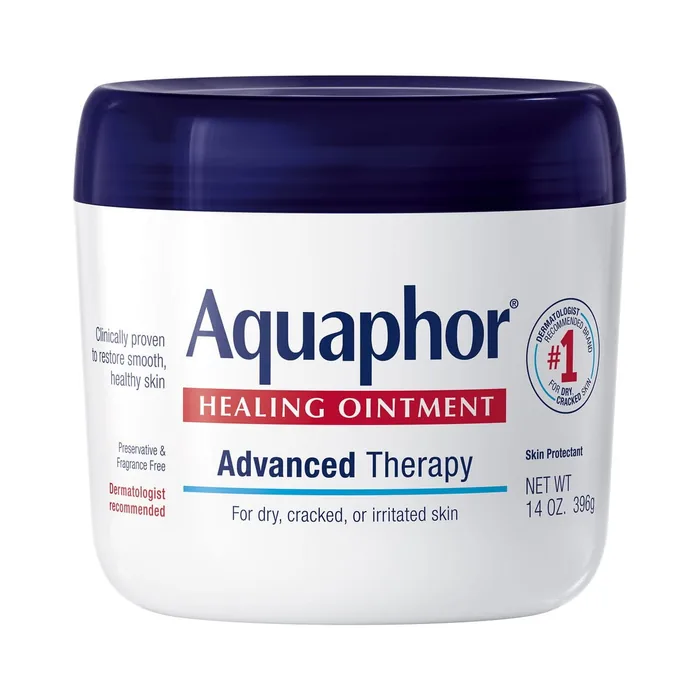
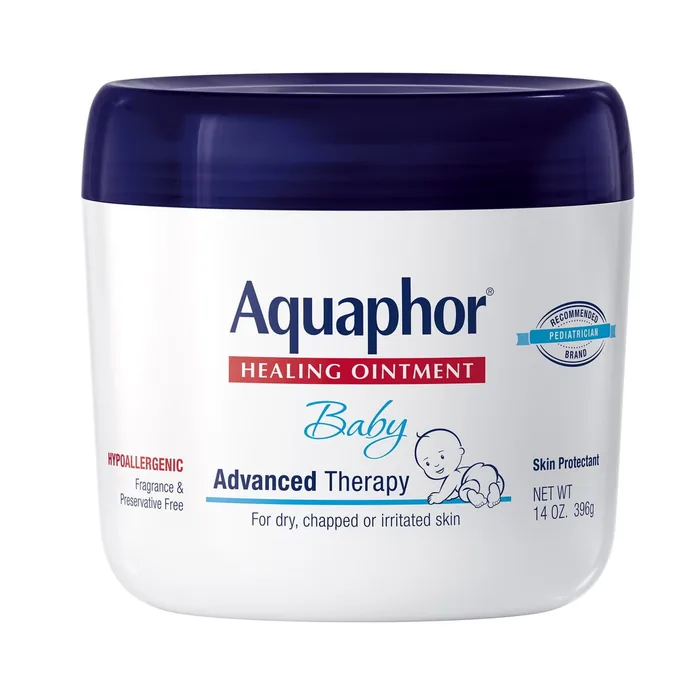
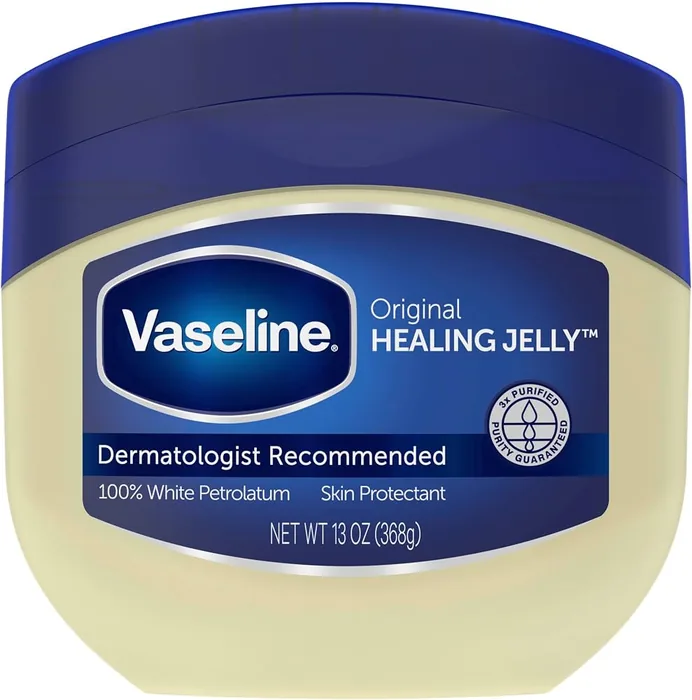
At a high level, Vaseline Original Healing Jelly is mostly about one thing: 100% white petrolatum. Aquaphor Healing Ointment also uses petrolatum, but combines it with ingredients such as mineral oil, ceresin, lanolin alcohol, glycerin, bisabolol, and panthenol.
That formula difference changes how each product feels in real use. Vaseline is more stripped down, thicker, and more obviously jelly-like. Aquaphor tends to feel more ointment-like, slightly softer, and easier to spread across small dry areas.
For some people, that makes Aquaphor more pleasant on lips, around the nose, or on flaky patches. For others, especially those trying to keep a routine very simple, Vaseline is the cleaner choice.
Ingredients comparison
Petrolatum is the core occlusive in both products. It sits on the skin surface and helps reduce moisture loss. That is the main reason both products are useful.
Aquaphor adds supportive ingredients, but those should be framed realistically.
| Product | Core ingredients | What that means in practice |
|---|---|---|
| Vaseline Original Healing Jelly | 100% white petrolatum | Very simple occlusive barrier with minimal formula complexity |
| Aquaphor Healing Ointment | Petrolatum, mineral oil, ceresin, lanolin alcohol, glycerin, bisabolol, panthenol | Occlusive barrier plus added ingredients that can make the texture softer and the formula feel more conditioning |
Glycerin is a humectant, so it can help attract water. Panthenol is commonly used for skin-conditioning support. Bisabolol is often included for a soothing cosmetic feel. Lanolin alcohol contributes to the ointment character, but it is also the ingredient that makes some users cautious if they know they are lanolin-sensitive.
These additions do not automatically make Aquaphor better. They just make it different.
Texture and finish comparison
In use, the biggest difference is texture.
Vaseline feels more straightforwardly greasy and occlusive. It has that classic petroleum jelly slip and can feel stiffer, especially in thicker layers.
Aquaphor usually feels more flexible and slightly easier to spread. It still leaves a glossy, protective film, but many people find it less stiff and more comfortable for targeted areas like lips, nostrils, cuticles, or flaky corners of the nose.
| Product | Texture | Finish | Best texture fit |
|---|---|---|---|
| Vaseline | Thick, jelly-like, heavier | Glossy, greasier, more sealed-off feel | People who want a classic occlusive layer |
| Aquaphor | Softer, ointment-like, more spreadable | Glossy but slightly more flexible | People who want easier application on small dry areas |
Why ingredient simplicity matters for some people
Simpler is not always better, but it often matters for highly reactive skin.
If you are trying to reduce variables, Vaseline is the safer default because it has fewer ingredients and avoids lanolin alcohol. Aquaphor works well for many people, but if you have had issues with lanolin-containing products before, it is the one more likely to cause hesitation.
That does not mean Aquaphor is harsh. It means Vaseline is usually the cleaner option for ingredient-minimal routines.
Aquaphor vs Vaseline for lips, face, wounds, and dry skin
The overall winner changes depending on where you are using it. In a lot of cases, the difference is smaller than people expect. Still, there are a few use cases where one product tends to make more sense.
Aquaphor vs Vaseline for lips
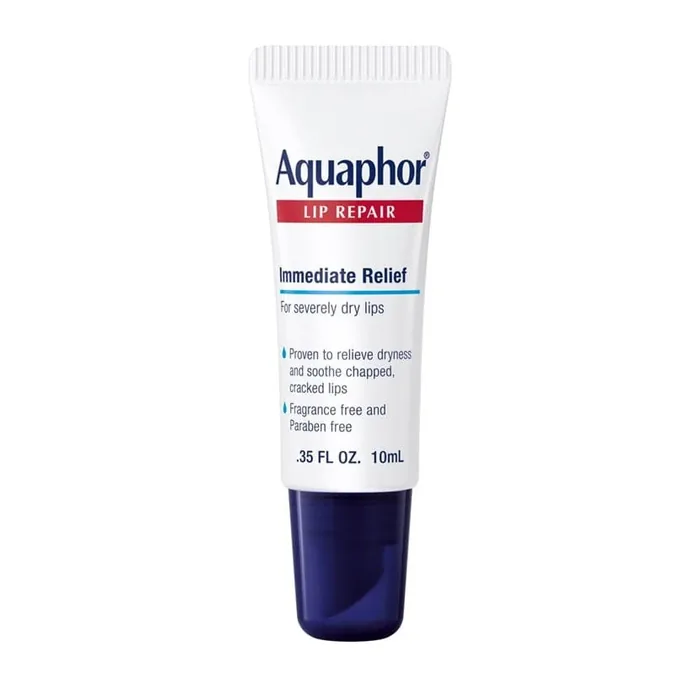
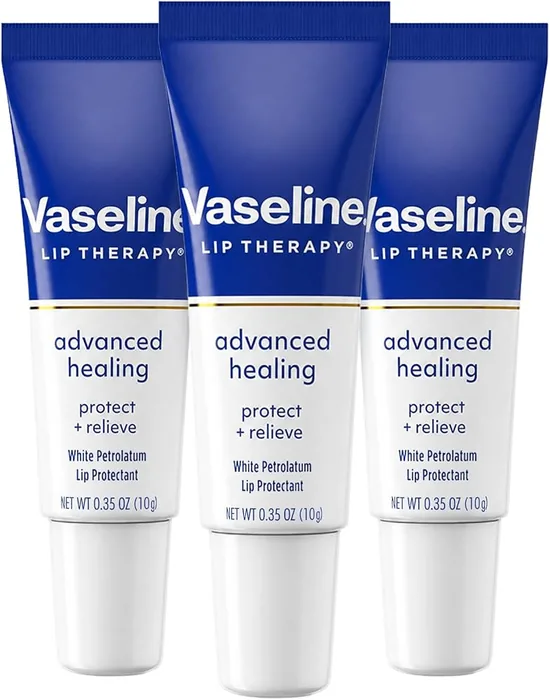
Both work well as occlusive lip protectants. If your lips are dry, chapped, or wind-exposed, either one can help by sealing in moisture and reducing further water loss.
Aquaphor often wins on feel. Its softer ointment texture can be more comfortable and easier to spread without feeling quite as stiff. That is why many people prefer it for everyday lip use.
Vaseline wins on simplicity. If you want the shortest ingredient list and do not care about a slightly more basic texture, it is a strong option.
Aquaphor vs Vaseline for face
For the face, this is mostly a slugging and dry-patch question.
Both can help protect windburned skin, seal in moisturizer, and reduce post-retinoid dryness. Both can also feel too heavy if you have oily or acne-prone skin, especially if you apply them all over.
Used selectively, both are useful. Think of them as finishing products, not stand-alone facial moisturizers.
| Use case | Better fit | Why |
|---|---|---|
| Slugging over moisturizer | Tie | Both trap moisture well |
| Dry patches around nose or mouth | Aquaphor | Softer spread and targeted comfort |
| Very reactive, ingredient-minimal routine | Vaseline | Fewer ingredients |
| Oily skin all over the face | Neither as a daily all-over product | Both can feel too heavy |
Aquaphor vs Vaseline for wounds
For minor superficial wounds, petrolatum-based ointments are often used to help keep the area moist rather than letting it dry out and crack. That is a supportive role, not a cure.
In practical terms, either can work for this purpose if that aligns with your clinician's instructions. Vaseline is often the simpler choice. Aquaphor is also commonly used, but its added ingredients do not necessarily make it better for every person.
Do not use either product as DIY treatment for deep wounds, infected wounds, severe burns, or anything getting redder, hotter, more painful, or unusually swollen. If you have stitches, a fresh procedure site, or a wound care plan from a clinician, follow that guidance first.
Aquaphor vs Vaseline for eczema-prone or very dry skin
For eczema-prone dryness or very dry skin, both products are best used as sealants. Apply them after bathing or over a moisturizer to help lock in water.
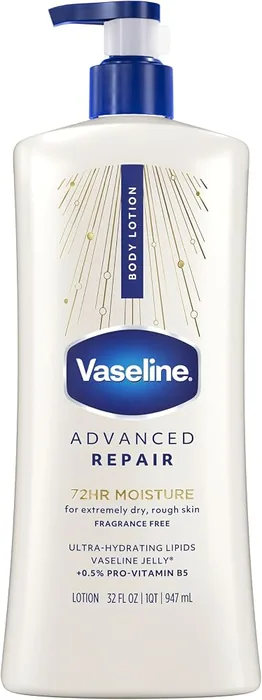
Vaseline makes sense if you want a low-cost, large-area barrier product for arms, legs, hands, or feet.
Aquaphor makes sense if you prefer the feel and are mostly using it on lips, cuticles, cracked corners of the nose, or smaller dry areas.
Neither one fixes the root cause of chronic eczema. They support the skin barrier surface and help reduce water loss, which can still be very useful.
Which is better for your skin type, budget, and routine?
This is where the choice gets easier.
If you are highly sensitive, acne-aware, price-conscious, or using a lot of product on the body, Vaseline usually wins.
If you care more about texture and want something easier to spread on smaller areas, Aquaphor often just feels nicer.
Vaseline is also usually the better value. For large-area body use, it is hard to justify paying more for Aquaphor unless you strongly prefer the texture.
Choose Vaseline if...
Choose Vaseline if you want:
- the lowest-cost option
- the shortest ingredient list
- a no-frills occlusive for body care
- overnight lip sealing
- a simple barrier layer for irritated or chafed patches
It is the practical pick for people who want maximum simplicity and value.
Choose Aquaphor if...
Choose Aquaphor if you:
- dislike the stiffer feel of pure petroleum jelly
- want a more spreadable ointment
- use it mostly on lips, around the nose, cuticles, or small dry spots
- do not mind paying a bit more for better texture
It is the better fit for people who want the same basic job done with a slightly more comfortable feel.
When the difference is small enough not to overthink
For a lot of dry skin situations, both products do the same core job well enough that consistency matters more than choosing the perfect one.
If you already have one at home and it feels good on your skin, there is often no strong reason to switch. This is one of those comparisons where the differences are real, but not dramatic for every user.
Limitations, side effects, and common myths
Aquaphor and Vaseline are best at one thing: preventing water loss and protecting the outer skin barrier. That is useful, but it is also the ceiling.
They do not treat the root cause of chronic rashes, persistent lip irritation, severe eczema flares, or acne. They protect. They do not solve every skin problem underneath.
Can Aquaphor or Vaseline clog pores?
For many users, petrolatum is considered non-comedogenic and does not automatically clog pores. But that does not mean everyone loves it on the face.
Heavy occlusives can still feel too much for oily, sweaty, or congestion-prone skin, especially if layered over multiple products. Placement matters. A thin layer on dry patches is very different from coating the full face every night.
If you are acne-prone, it makes sense to use either one selectively first rather than assuming your whole face will like slugging.
When not to use them
Skip self-treating and get proper medical guidance if you are dealing with:
- infected wounds
- deep cuts
- severe burns
- worsening rashes
- unexplained persistent irritation
- significant swelling, heat, or pain
- skin that is not improving with basic care
Aquaphor is also not the obvious first pick if you know you are sensitive to lanolin-derived ingredients.
Be cautious with use inside the nose or very close to the eyes on a frequent basis. Small amounts are often used by some people for dryness, but if the area is persistently irritated or you need to use ointment constantly, it is better to ask a clinician why.
Bottom line: Aquaphor vs Vaseline
Vaseline wins on simplicity and value.
Aquaphor wins on texture and targeted versatility for some users.
Neither is automatically better for everyone. If your priority is the fewest ingredients and the lowest price, buy Vaseline. If your priority is a more spreadable ointment for lips and small dry areas, Aquaphor is easier to justify.
If you are comparing other affordable staples, see our CeraVe vs Cetaphil breakdown next.
Editor's update · August 2, 2026
We re-verified prices and formulas for this August 2026 refresh, and the trade-off is unchanged. Vaseline Original Healing Jelly is still the simplest and cheapest 100 percent petrolatum option, while Aquaphor still earns its small premium with a softer, more spreadable feel for lips and targeted dry patches.