La Roche-Posay vs Vanicream: the quick answer
La Roche-Posay and Vanicream are both sensitive-skin favorites, but they approach reactive skin from opposite ends.
La Roche-Posay is a targeted French dermatological brand built on thermal spring water, with active-leaning formulas like the Toleriane range and a standout sunscreen lineup.
Vanicream is the stripped-back option. It deliberately leaves out fragrance, dyes, lanolin, parabens, and formaldehyde releasers, and it carries the National Eczema Association Seal of Acceptance.
For targeted care and sun protection, La Roche-Posay has the edge. For the most minimal formula when your skin reacts to almost everything, Vanicream is the more conservative pick.
The shortest version
Choose La Roche-Posay for targeted sensitive-skin formulas and sunscreens.
Choose Vanicream for the most stripped-back formula when skin reacts to many things.
What is the difference between La Roche-Posay and Vanicream?
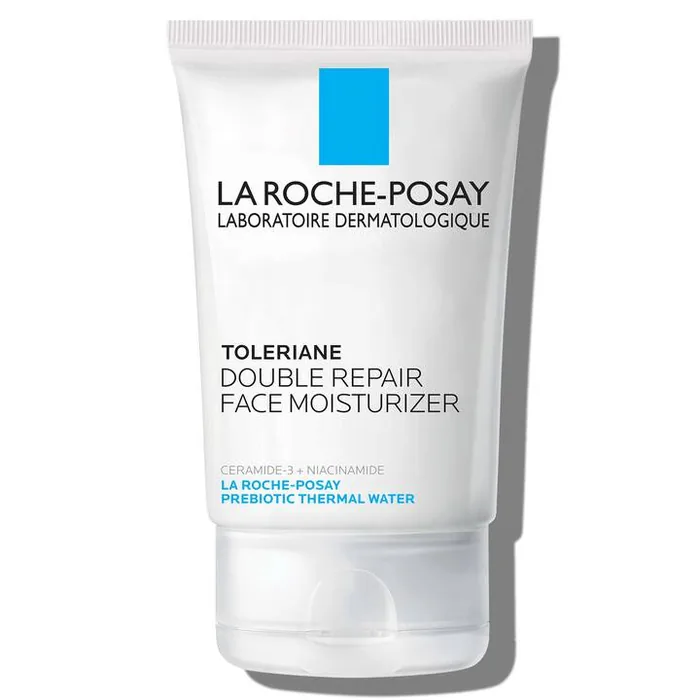
La Roche-Posay, owned by L'Oreal, formulates around thermal spring water and offers targeted options: the Toleriane Double Repair moisturizer pairs ceramides and niacinamide with its thermal water, and Anthelios sunscreens anchor the range.
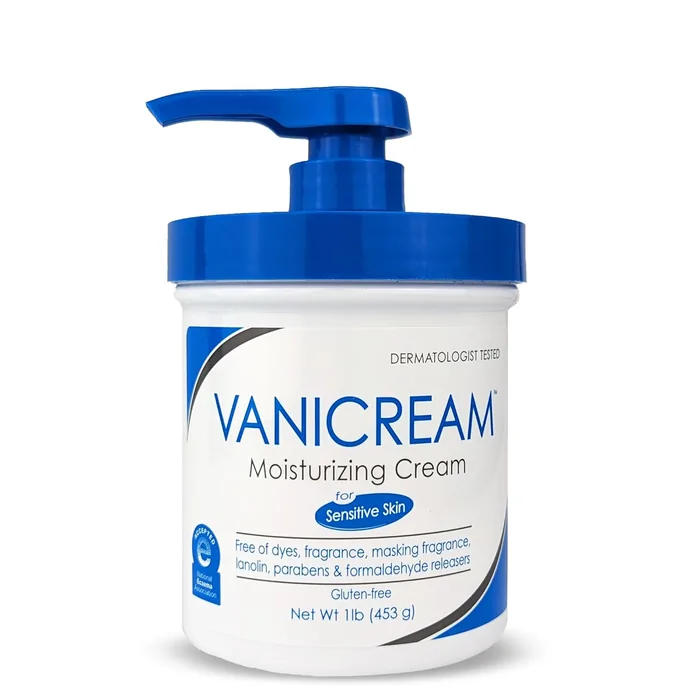
Vanicream, made by Pharmaceutical Specialties, is defined by what it leaves out. Its Moisturizing Cream is glycerin, petrolatum, and simple emollients with a carefully chosen preservative system, and there is very little else to react to.
| Line | Approach | Best for |
|---|---|---|
| La Roche-Posay | Targeted, active-leaning derm care | Reactive skin that wants specific formulas |
| Vanicream | Stripped-back, irritant-conscious | Highly reactive, trigger-prone skin |
Ingredients and formulas
La Roche-Posay tends to include more: thermal water, ceramides, niacinamide, and specific actives depending on the product. That gives it range, but a longer list is simply more to react to for the most sensitive users.
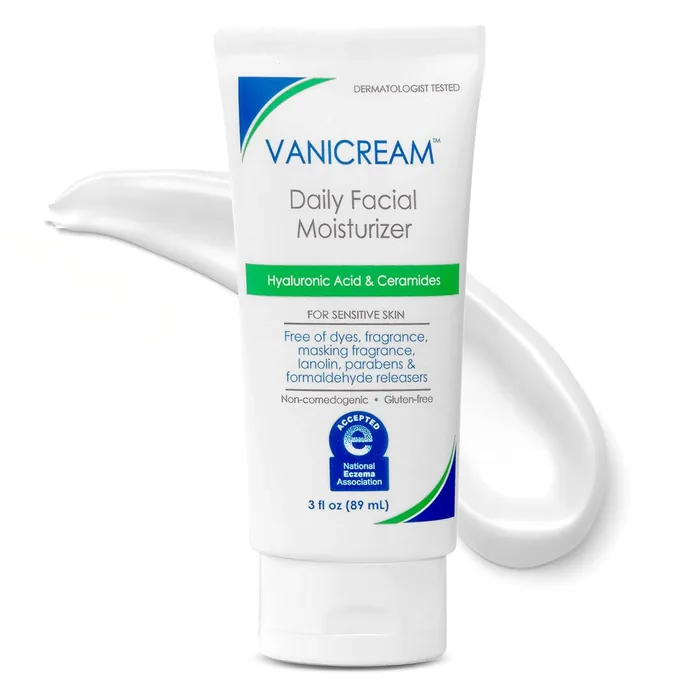
Vanicream keeps the list short on purpose. Its newer Daily Facial Moisturizer adds squalane, hyaluronic acid, and ceramides for a lightweight facial option, but the classic cream stays minimal. Both lines support the barrier and reduce water loss, just with different amounts of formula complexity.
Cleansers, moisturizers, and reactive skin
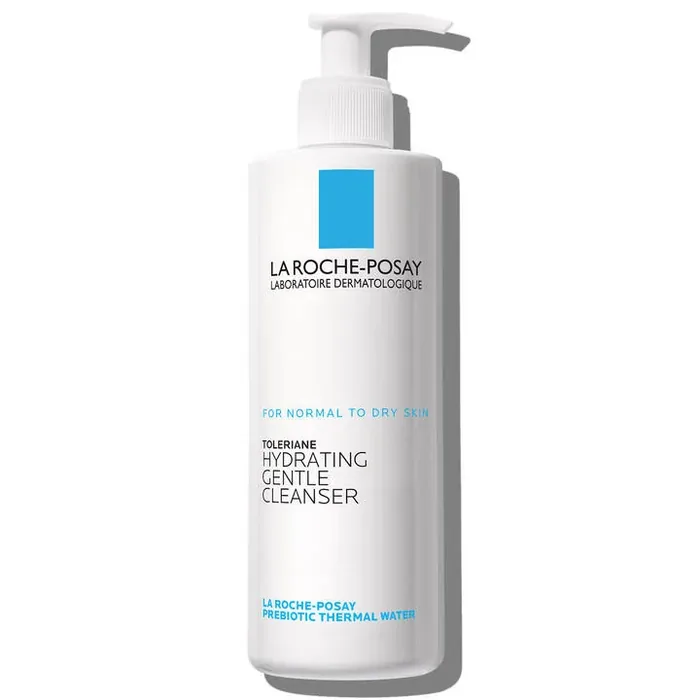
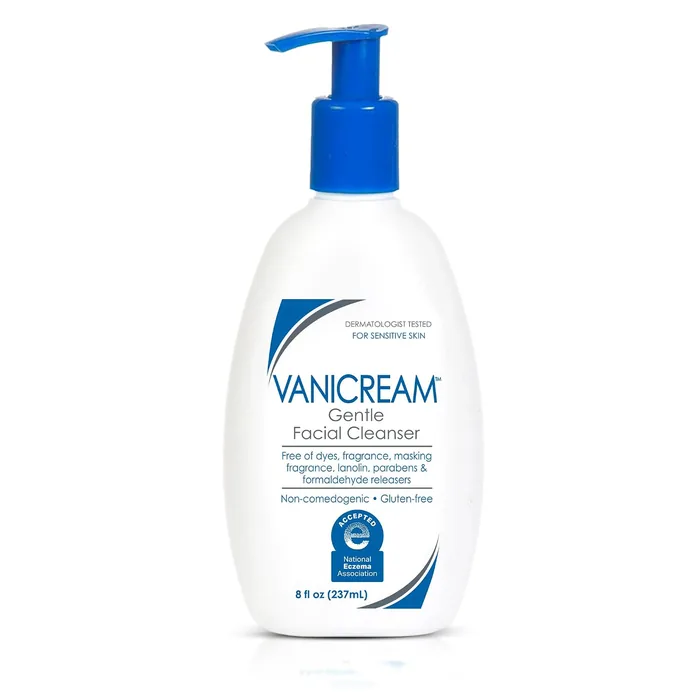
For cleansing, both are gentle. La Roche-Posay's Toleriane Hydrating Gentle Cleanser is ceramide-supported, while Vanicream's Gentle Facial Cleanser is soap-free and pH-balanced.
For moisturizing, La Roche-Posay's Toleriane Double Repair is the more active barrier cream, and Vanicream's Moisturizing Cream is the plainer, lower-variable option.
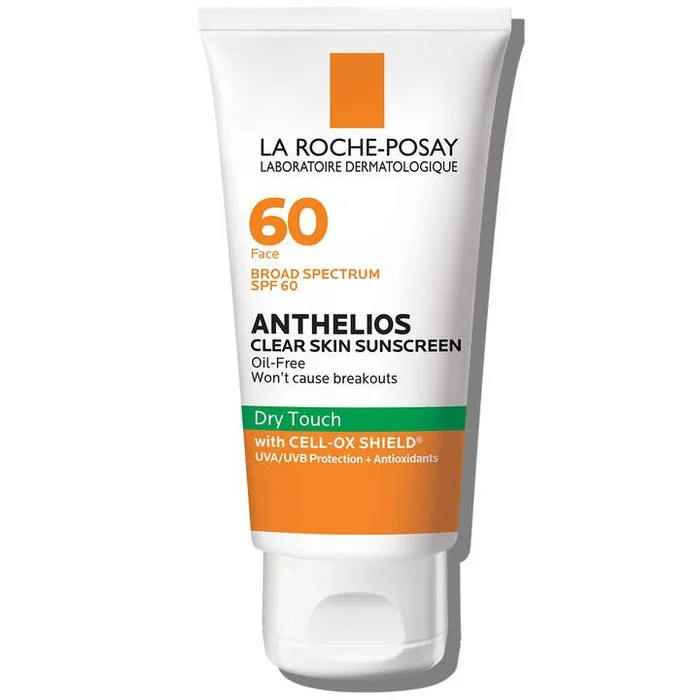
Sun care separates them cleanly: La Roche-Posay's Anthelios sunscreens are a genuine strength, and Vanicream is not primarily a sunscreen brand.
| Use case | Better fit | Why |
|---|---|---|
| Targeted reactive-skin moisturizer | La Roche-Posay Toleriane | Ceramides and niacinamide with thermal water |
| Fewest common irritants | Vanicream | Leaves out fragrance, dyes, lanolin |
| Sunscreen | La Roche-Posay Anthelios | Standout sun care |
| Eczema-prone skin | Vanicream | Carries the National Eczema Association seal |
| Plain daily moisturizer | Vanicream | Minimal, low-variable formula |
Which should you choose?
If you want targeted formulas and a strong sunscreen, La Roche-Posay is the more capable, treatment-forward brand. If your skin reacts unpredictably and you want to minimize variables, Vanicream is the more cautious pick, and its eczema-seal positioning reflects that.
Many routines use both: La Roche-Posay for treatment steps and sunscreen, Vanicream for a plain, reliable moisturizer. For related matchups, see our CeraVe vs Vanicream and La Roche-Posay vs CeraVe comparisons.
Choose La Roche-Posay if...
- you want targeted formulas for reactive skin
- you want a standout sunscreen line
- you like active-leaning derm products
Choose Vanicream if...
- your skin reacts to fragrance or many products
- you want the shortest list of common triggers
- you are eczema-prone and want the seal of acceptance
Limitations and honest expectations
Neither line treats the cause of eczema or chronic sensitivity; both manage dryness and reduce triggers. La Roche-Posay's more complex formulas can be more than the most reactive skin wants, while Vanicream gives up actives for the sake of a shorter list.
Patch test anything new, even a gentle product, and introduce one product at a time so you can tell what your skin likes.
Editor's update · August 2, 2026
We re-verified both sensitive-skin lines in August 2026. La Roche-Posay still offers targeted formulas and standout sun care, while Vanicream remains the most stripped-back option for skin that reacts to almost everything.