L'Oreal vs Olay: the quick answer
The short answer is that neither brand is universally better. The better choice depends on what you actually want from your routine: stronger retinol positioning, peptide-led moisturising support, lighter textures, or better budget value.
This is also not one simple product-versus-product comparison. Both brands sell multiple anti-aging lines, and those lines are built differently. Olay often leans into easy-to-use moisturisers and night treatments that feel polished and approachable. L'Oreal covers a wider spread of textures and treatment styles, especially in ranges like Revitalift and Revitalift Derm Intensives.
Most readers end up comparing Olay Regenerist and Olay Retinol 24 against L'Oreal Revitalift and Revitalift Derm Intensives because those are the ranges that overlap most clearly in real shopping decisions. They sit in a similar mass-market price bracket, target wrinkles and firmness, and are easy to find at drugstores and major retailers.
The useful decision points are usually ingredient strategy, tolerability, day versus night use, eye cream needs, and price-to-performance.
Who usually prefers which
In broad terms, Olay often suits readers who want elegant, easy-to-use anti-aging moisturisers with a moisturiser-first feel. L'Oreal often suits readers who want more category variety and more active-led options in certain ranges, especially when they are shopping by ingredient rather than by cream texture alone.
What actually matters in anti-aging products
Before choosing between brand names, it helps to judge anti-aging products the right way. The details that matter most are formula logic, texture, consistency of use, irritation risk, packaging, and value.
That matters because many products marketed as firming or lifting are really doing one of three jobs:
- hydrating dry skin so it looks less crepey
- smoothing the surface temporarily
- supporting a firmer-looking appearance over time through ingredients that make cosmetic sense
Those are useful benefits, but they are not the same thing as structural lifting. A rich cream can make skin look better quickly without meaningfully changing deeper laxity. A fair comparison between L'Oreal and Olay should keep that ceiling in view. Both brands can improve comfort, smoothness, and the look of firmness over time. Neither should be judged as if it can replace procedures.
Hydration, smoothing, and firmness support are not the same
Humectants, emollients, and richer textures can make skin look fuller and smoother fast. That is why some creams seem impressive within days. The effect is often real, but it is usually a surface-level cosmetic improvement rather than true lifting.
Retinoids are among the more evidence-aligned cosmetic actives for wrinkles, texture, and firmer-looking skin, though they can also raise irritation risk. Peptides may support a smoother, firmer-looking appearance over time, but the finished formula still matters.
How to compare two mass-market brands fairly
The fairest way to compare Olay and L'Oreal is within product type. Serum should be compared with serum. Night cream should be compared with night cream. Eye treatment should be compared with eye treatment. A strong L'Oreal serum does not automatically make every L'Oreal cream better than every Olay moisturiser, and the same applies in reverse.
Side by side: ingredients, texture, price, and best uses
In practical terms, the choice comes down to formula style. Olay tends to focus on peptides, niacinamide, hydration, and moisturiser-first usability. L'Oreal tends to show more obvious active-led variety, especially with retinol, hyaluronic acid, and serum formats.
| Brand | Main anti-aging approach | Texture profile | Typical price tier | Best for |
|---|---|---|---|---|
| Olay | Peptides, niacinamide, moisturiser-led routines, accessible retinol night care | Usually creamy, smooth, cushioned, easy daily | Affordable to mid-range drugstore | Dry to normal skin, beginners, simple routines |
| L'Oreal | Broader active-led range, retinol options, hyaluronic acid serums, multiple finishes | Wider range from light serums to richer creams | Affordable to mid-range drugstore | Ingredient-focused shoppers, combination skin, treatment variety |
Buyer fit matters more than the label on the jar. For dry and mature skin, Olay often feels more immediately comfortable because many of its best-known products have a richer, cushioning finish. For oily or combination skin, L'Oreal sometimes has the easier edge because its serums and lighter creams can layer more cleanly. For sensitive skin, neither brand is automatically the safe pick: check fragrance, retinol use, and how dense the formula feels.
Olay strengths and weak spots
Olay does moisturisers well. Its anti-aging products often feel polished, user-friendly, and simple to stick with. Regenerist products in particular combine a cushioned cream texture with ingredients like peptides and niacinamide that make sense in a daily anti-aging routine. Olay is also good for shoppers who do not want to build a complicated regimen from separate actives.
The weak spot is that some shoppers want more clarity or strength around retinol concentration and more specialised treatment options. Olay can feel more comfort-first than treatment-first depending on the specific product.
L'Oreal strengths and weak spots
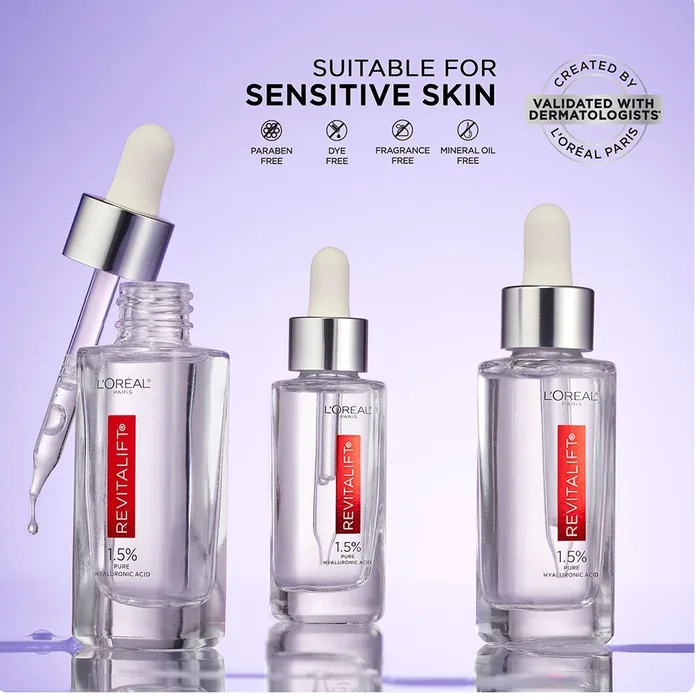
L'Oreal's main strength is range breadth. If you want to shop by category, especially serums, hyaluronic acid, or retinol-focused treatments, L'Oreal gives you more room to do that. Revitalift and Revitalift Derm Intensives make it easier to choose based on a specific ingredient angle, and the brand tends to offer more texture variety.
The trade-off is that some formulas feel more situational. A more active-led product can make sense on paper but be less forgiving in daily use.
Best brand by skin type and use case
| Use case | Better fit | Why |
|---|---|---|
| Dry, mature skin | Olay | Richer, more cushioning moisturiser textures |
| Beginners to anti-aging | Olay | Easier, moisturiser-first products |
| Retinol-focused shoppers | L'Oreal or Olay Retinol 24 | Dedicated treatment feel vs simpler retinol night moisturiser |
| Daytime layering under SPF or makeup | L'Oreal | Lighter serum and cream options layer more easily |
| Night repair routines | Olay | Richer overnight textures often feel more comforting |
| Sensitivity concerns | Product-specific | Check the exact formula, not just the brand |
Olay Regenerist or L'Oreal Revitalift?
If your real question is which is better, Olay Regenerist or L'Oreal Revitalift, the answer depends on whether you want a cream-first anti-aging experience or a more active-led shopping path. Olay Regenerist usually wins on ease of use, cushioning feel, and daily comfort. L'Oreal Revitalift usually wins on ingredient-specific variety and giving buyers more options if they know they want retinol or hyaluronic acid in a more obvious way.
Moisturizer vs moisturizer: Regenerist Micro-Sculpting Cream and Revitalift Triple Power
These two are often cross-shopped because they both aim at wrinkles, firmness, and smoother texture through a drugstore cream format.
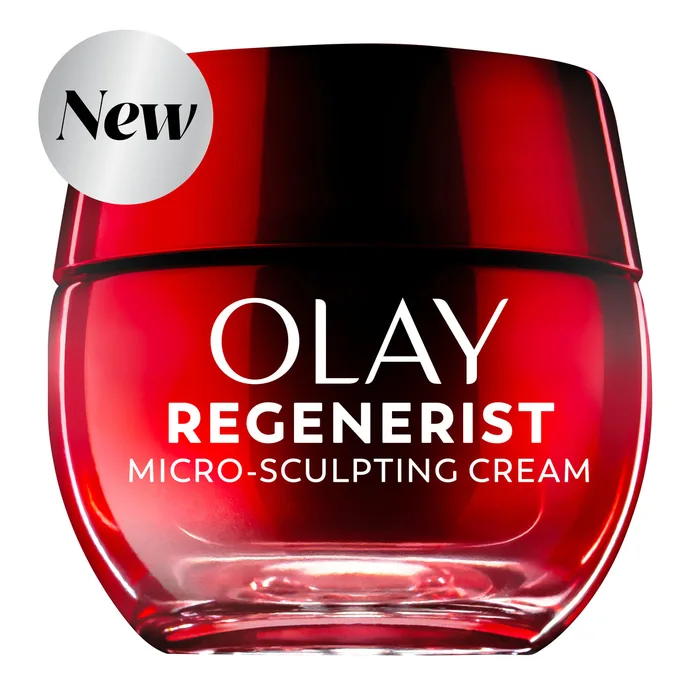
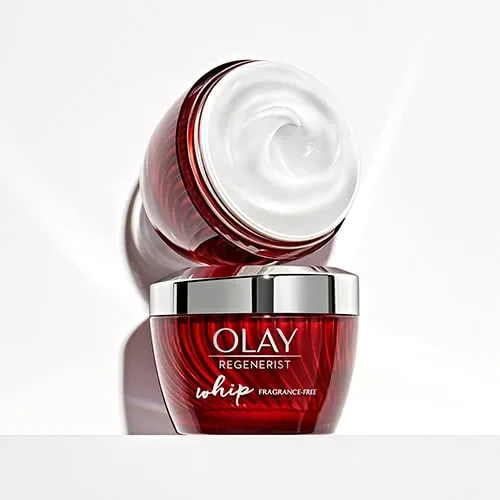
Olay Regenerist Micro-Sculpting Cream is the safer pick if you want a rich, polished moisturiser that feels substantial and comforting. It tends to feel more cushioned and more obviously moisturising, which makes it a strong fit for normal to dry skin.
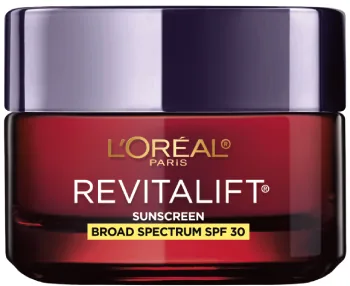
L'Oreal Revitalift Triple Power makes more sense if you want a slightly more active-positioned mass-market cream with built-in daytime SPF, and do not mind that the experience may feel a bit less plush depending on your skin type. If you dislike heavier-feeling moisturisers, L'Oreal may be easier. If your skin looks older mainly when it is dry, Olay usually makes the stronger first impression.
Night treatment: Olay Retinol 24 vs L'Oreal Revitalift retinol options
This is often the more useful comparison for wrinkle and texture shoppers.
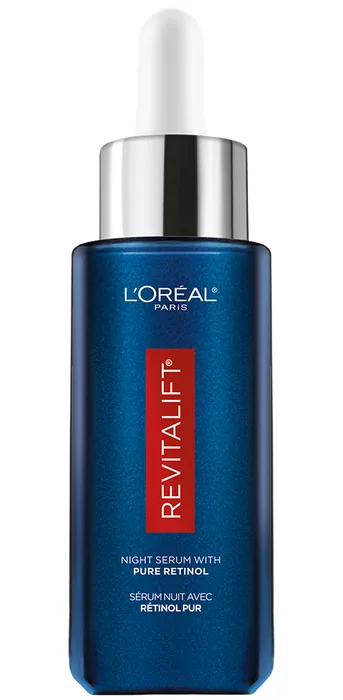
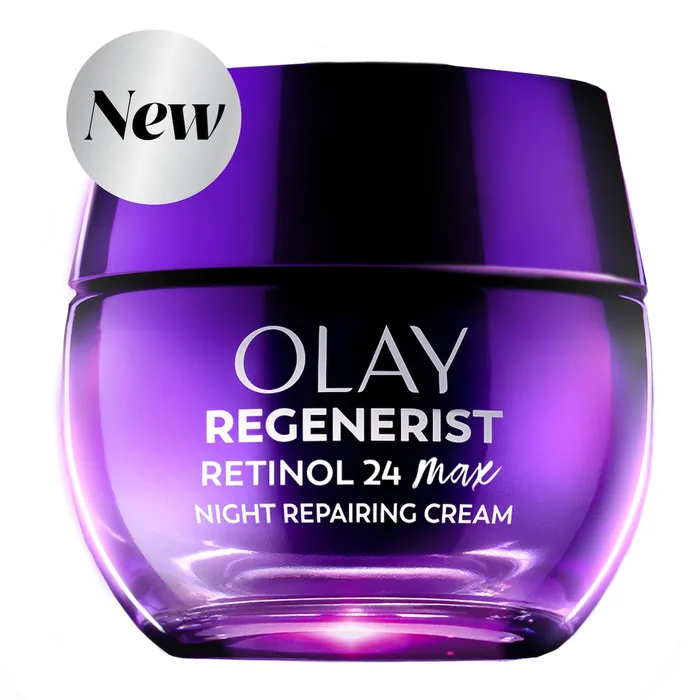
Olay Retinol 24 generally suits readers who want a retinol moisturiser that feels easy to start and easy to keep using, without building a separate serum-plus-cream system. L'Oreal Revitalift retinol options, especially the Derm Intensives serums, usually make more sense for ingredient-focused shoppers who want a more treatment-style step.
The trade-off is predictable: the more treatment-led the formula feels, the more important tolerability becomes. If you are new to retinol, start with lower frequency and build up slowly. If you are pregnant, nursing, using prescription skincare, or managing a diagnosed skin condition, check with a dermatologist before adding retinoids.
Verdict by priority
| Priority | Better pick | Why |
|---|---|---|
| Beginner retinol use | Olay Retinol 24 | Simpler and often easier to work into a routine |
| Rich anti-aging moisture | Olay Regenerist | Better cushioning feel for dry skin |
| Ingredient-focused shopping | L'Oreal Revitalift | Broader active-led lineup and more serum options |
| Simplest anti-aging routine | Olay | Fewer moving parts for many shoppers |
| Lighter layering | L'Oreal | More options that sit well under other products |
| Sensitivity concerns | Depends on formula | Both have products that may irritate, especially with retinoids or fragrance |
Eye cream and other buying questions
Around the eyes, texture matters almost as much as ingredients. A heavier cream can feel more comforting and temporarily smooth fine lines by reducing dryness. A lighter eye treatment may layer better under concealer and feel less likely to migrate. For puffiness, caffeine can help temporarily in some formulas. For fine lines, hydration and consistent use matter more than expecting dramatic change. If the eye area is your main concern, our best eye cream for wrinkles guide goes deeper.
Is Olay or L'Oreal better for mature skin?
Mature skin often benefits from richer textures and steady barrier support, which is one reason Olay often lands well with this group. But ingredient tolerance matters more than brand loyalty. If mature skin is dry and prefers a cream-first routine, Olay often makes more sense. If it is already comfortable with actives and wants ingredient-led options, L'Oreal can be the better fit.
Are either good for firming or lifting?
Both brands can help skin look smoother, better hydrated, and somewhat firmer over time if the formula suits your skin and you use it consistently. What they cannot do is deliver structural lifting. If the issue is deeper sagging or loose skin, topical skincare has a ceiling.
Final verdict: L'Oreal or Olay?
Buy Olay if you want a simple anti-aging routine, richer moisturiser textures, and products that are easy to use consistently. It is usually the better fit for dry or mature skin and for people who care as much about comfort as ingredient lists.
Buy L'Oreal if you want more ingredient-led variety, lighter layering options, or a lineup that makes it easier to shop by serum, hyaluronic acid, or retinol category. It is often the better fit for combination skin and active-focused shoppers.
The main takeaway is simple: the best anti-aging product is the one that matches your skin type, your tolerance, and the routine you will actually keep using. If you are still deciding, the next useful read is moisturiser versus retinol night cream, and if you want to weigh Olay against another drugstore brand, see our Neutrogena vs Olay comparison.
Editor's update · August 2, 2026
We rechecked both anti-aging ranges for August 2026, and the picture is steady. L'Oreal Paris Revitalift and Olay Regenerist remain closely matched drugstore anti-aging staples, so the choice still comes down to specific formulas and textures rather than the brand name.