Lubriderm vs CeraVe: the quick answer
Lubriderm and CeraVe are both inexpensive and both associated with dermatology, but they come from different eras.
Lubriderm dates to 1945 and is a classic body lotion: lightweight, fast-absorbing, and built for quick everyday hydration. Its current formulas add a pro-ceramide, vitamin E, and pro-vitamin B5.
CeraVe launched in 2005 and is a ceramide-forward system that spans cleansers, creams, and ointments, with a stronger barrier-repair story and a fuller facial range.
For simple, lightweight body moisturizing, Lubriderm is a reliable, low-cost pick. For barrier repair and facial care, CeraVe is the more complete choice.
The shortest version
Choose Lubriderm for a simple, fast-absorbing everyday body lotion.
Choose CeraVe for ceramide-led barrier repair and a full facial routine.
What is the difference between Lubriderm and CeraVe?
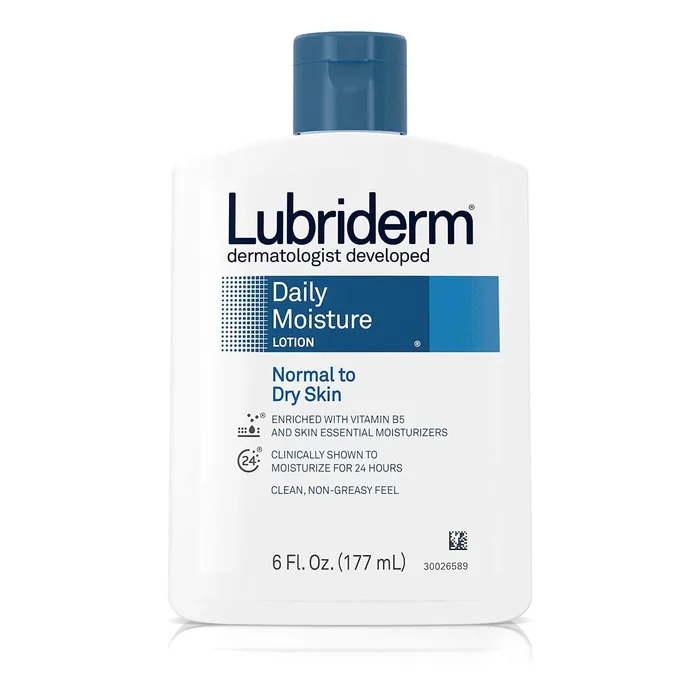
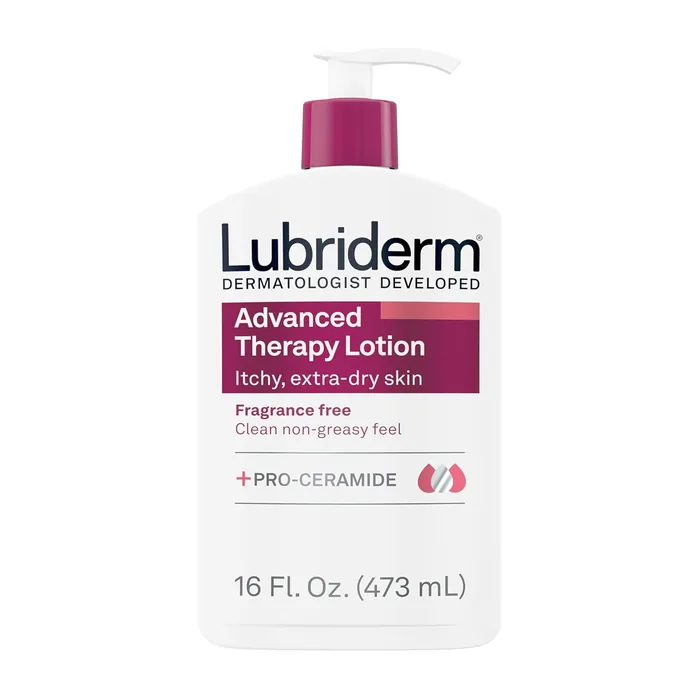
Lubriderm's identity is texture. Its Daily Moisture Lotion and fragrance-free Advanced Therapy Lotion are designed to sink in fast and feel non-greasy, which makes them easy to apply over the whole body every day. The formulas include a pro-ceramide from oat, glycerin, and skin conditioners.
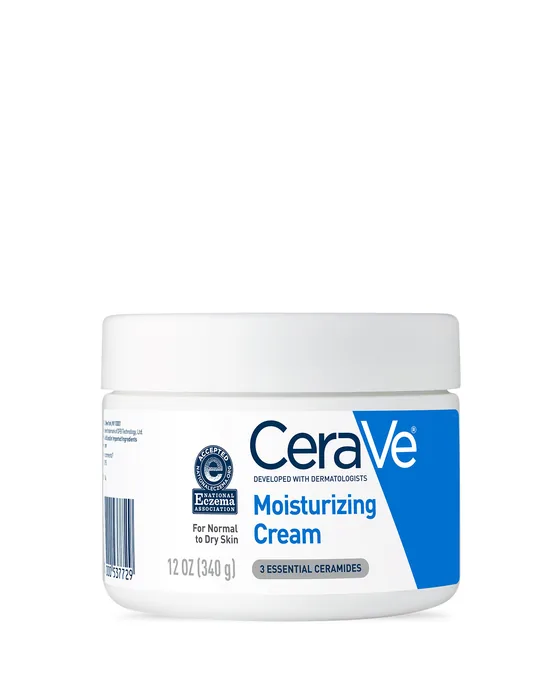
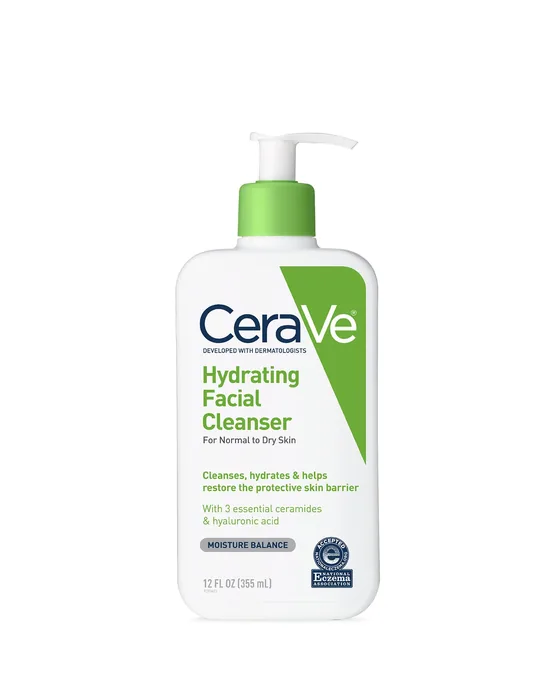
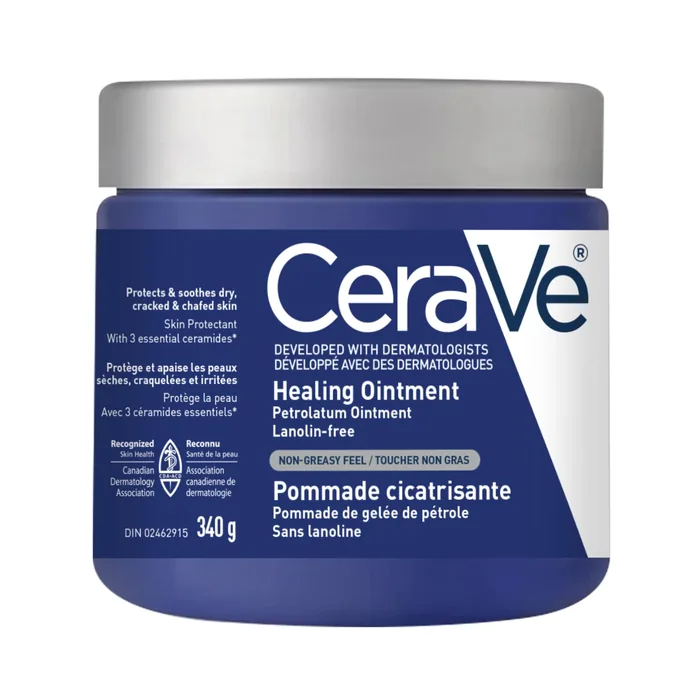
CeraVe's identity is ceramides. Its Moisturizing Cream, Hydrating Facial Cleanser, and Healing Ointment all build around three barrier-identical ceramides plus hyaluronic acid, and the range is designed to work together as a system.
| Line | Identity | Strongest use |
|---|---|---|
| Lubriderm | Fast-absorbing classic lotion | Quick everyday body moisturizing |
| CeraVe | Ceramide barrier system | Barrier repair and facial care |
Texture and finish
This is where Lubriderm wins on its own terms. Its lotions are thinner and absorb faster than CeraVe's richer cream, which many people prefer for daytime use under clothes.
CeraVe Moisturizing Cream is thicker and more cushioned. It does more for a compromised barrier, but it is a heavier feel, closer to a rich cream than a quick lotion. Both slow water loss and protect dry skin; they just feel different doing it.
Face, body, and range
For the body, both work, but Lubriderm's lighter texture is the easier daily application, while CeraVe's cream is the better choice for very dry or reactive skin.
For the face, CeraVe is the clear pick. It has a dedicated facial cleanser, facial moisturizers, and targeted products like the Healing Ointment, whereas Lubriderm is primarily a body brand.
| Use case | Better fit | Why |
|---|---|---|
| Fast daily body lotion | Lubriderm | Lightweight, quick-absorbing |
| Very dry or reactive skin | CeraVe | Richer, ceramide-led cream |
| Facial routine | CeraVe | Full facial range including a cleanser |
| Fragrance-free extra-dry care | Tie | Lubriderm Advanced Therapy or CeraVe cream |
| Spot protection for cracks | CeraVe Healing Ointment | Petrolatum plus ceramides |
Which should you choose?
If you want one affordable lotion to slather on after a shower and forget about, Lubriderm is a genuinely good, no-fuss option. If you want barrier repair, facial care, or a system that works together, CeraVe is the more capable line.
Both are inexpensive, so the decision is really lotion-versus-system. If sensitive facial skin is your main concern, our CeraVe vs Cetaphil comparison covers that ground in more detail.
Choose Lubriderm if...
- you want a light, fast-absorbing body lotion
- you moisturize large areas daily
- you want the lowest-fuss option
Choose CeraVe if...
- you want ceramide-led barrier repair
- you need facial as well as body care
- your skin is very dry or reactive
Limitations and honest expectations
Lubriderm's Daily Moisture Lotion is lightly scented, so reach for the fragrance-free Advanced Therapy version if fragrance is a concern. Neither brand cures chronic dryness; both manage it.
CeraVe's richer cream is more than some people want for daytime body use, and Lubriderm's lighter lotion may not be enough for very compromised skin. Match the texture to the dryness you actually have.
Editor's update · August 2, 2026
We re-verified both in August 2026. Lubriderm remains the fast, lightweight everyday body lotion, and CeraVe remains the more complete ceramide system for barrier repair and facial care; nothing has shifted the lotion-versus-system decision.