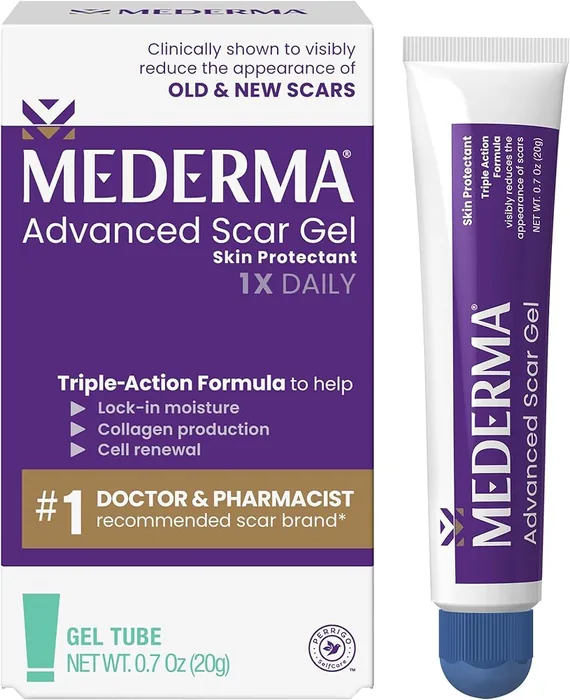
What it does
A soothing, anti-irritant active originally extracted from comfrey root. Calms reactive skin, supports wound healing, and softens rough texture.
Best for
Sensitive or reactive skin, formulas with stronger actives (retinoids, AHAs), and any routine where comfort matters as much as performance.
What is Allantoin?
Allantoin is a small, water-friendly molecule used in skincare as a soother, softener, and skin protectant. It occurs naturally in the body and in several plants, most famously the comfrey plant (Symphytum officinale), though the allantoin used in cosmetics today is almost always synthesized for purity and consistency.
It is one of the rare cosmetic ingredients with formal regulatory standing. In the United States, allantoin is recognized as an OTC skin protectant active, typically used at 0.5 to 2 percent, and cleared to help prevent and temporarily protect chapped, chafed, or cracked skin. That protectant status, reflected on official FDA and National Library of Medicine drug labels, is why you will find it in everything from lip balms and diaper creams to serums and after-sun gels.
What Allantoin Does (and What It Does Not)
Allantoin earns its place through a few modest but reliable actions:
- Soothes the look of redness and irritation, making it a favorite for sensitive and reactive skin.
- Acts as a mild keratin softener, helping to smooth rough, flaky patches and improve surface texture.
- Behaves as a light humectant, drawing in a bit of water so skin looks and feels more hydrated.
- Serves as a skin protectant, supporting comfort on dry, chapped, or compromised skin.
In laboratory and animal wound-healing research, allantoin has been associated with encouraging cell turnover and a more supported repair environment. One in vivo study of an allantoin-enriched hydrogel reported faster wound closure in rats compared with untreated controls, and confirmed the ingredient as biocompatible and nontoxic (PMC, 2023). That is promising mechanistic context, but it is animal and wound-focused work, not proof that a cosmetic cream will remodel aging skin.
Here is where honesty matters. Allantoin does not cure conditions, erase wrinkles, or replace a targeted routine. It is a comfort and support ingredient. It can improve the appearance of dry, rough, or irritated skin, and it can make a strong routine more tolerable, but it is not a standalone anti-aging active in the way a retinoid or vitamin C is.
Who It Suits and How to Use It
Allantoin is one of the most broadly tolerated ingredients in cosmetics, which makes it easy to slot into almost any routine. It pairs naturally with other gentle supporters such as panthenol and niacinamide, and with humectants like glycerin and hyaluronic acid.
| Use case | How allantoin helps | Typical level |
|---|---|---|
| Sensitive or reactive skin | Soothes the look of redness, low irritation risk | 0.5 to 1% |
| Dry, chapped, or rough texture | Softens keratin, protects and comforts | 1 to 2% |
| Buffering strong actives | Eases the sting of acids or retinoids | 0.5 to 2% |
| After sun or post-treatment | Calms the appearance of stressed skin | 0.5 to 2% |
Practical tips:
- Layer it in serums, moisturizers, or after-sun gels; it plays well morning or night.
- If a retinoid or exfoliating acid feels harsh, look for allantoin in the same routine to help keep skin comfortable.
- Patch test any new product, though allantoin itself is a very low-risk ingredient.
The Comfrey Connection and Safety
Allantoin is often marketed as a comfrey-derived botanical, and that story deserves a clear-eyed note. Comfrey root and leaf do contain allantoin, but they also contain pyrrolizidine alkaloids, compounds that raise real safety concerns, particularly for internal exposure and broken skin. Isolated, purified allantoin does not carry that baggage. This is a case where the refined single molecule is the safer choice, not the whole-plant extract.
Research also shows that comfrey extract and pure allantoin are not interchangeable. A comparative study found that whole comfrey root extract behaved differently from isolated allantoin, concluding that the plant's activity comes from several interacting compounds rather than allantoin alone (PubMed, 2015). For a cosmetic soother, purified allantoin gives you the calming, softening benefit with a cleaner, more predictable safety profile.
On tolerability, allantoin has a long track record of being gentle and non-sensitizing at cosmetic levels. It is a common choice in products aimed at delicate skin precisely because it rarely causes problems.
Myths and Realistic Expectations
The biggest myth is that allantoin is an anti-aging powerhouse. It is not. Much of the higher-level cosmetic evidence comes from formulas where allantoin is one of many ingredients, so it is difficult to credit visible firmness or wrinkle change to allantoin by itself. What is well established is the soothing, softening, and skin-protectant side.
A realistic way to think about allantoin: it helps skin look calmer, smoother, and more comfortable, and it makes harder-working actives easier to use. Set expectations there and it rarely disappoints. It also sits comfortably beside gentle plant soothers such as aloe vera, reinforcing the same comfort-first goal. Judge it as a supporting ingredient, not the star, and it becomes one of the most quietly useful names on an ingredient list.
Evidence
Topical allantoin has been shown to support wound healing and reduce skin irritation in controlled clinical studies.
Read the source: DailyMed (FDA/NLM): allantoin skin protectant OTC label ->Reviewed August 2, 2026: As of August 2026, allantoin remains a gentle, well-tolerated soother and skin protectant, most useful for calming and softening rather than anti-aging.