Neutrogena vs Cetaphil: the short answer
Cetaphil is the safer default for dry, sensitive, and reactive skin. Neutrogena is the stronger pick when you want a specific active, because its range runs deeper into retinol, salicylic acid, and hyaluronic acid.
Both are drugstore brands sold in almost every US pharmacy, both are dermatologist-recommended staples, and both cost under $35 for nearly everything they make. The decision is rarely about quality. It is about whether you want a gentle base routine or a targeted treatment.
Choose this if
- Choose Cetaphil if your skin is dry, sensitive, or easily irritated, or if you want the simplest possible cleanse and moisturize routine.
- Choose Neutrogena if your skin is oily or combination, or if you want a specific active such as retinol or salicylic acid from the same brand.
- Choose either for a basic cleanser. At this price the difference between them is smaller than the difference between using one consistently and not.
Which cleanser should you buy?
This is the comparison most people are actually making, so it goes first. Three cleansers cover almost every version of the question.
| Cleanser | Price | Size | Foaming | Fragrance in the formula | Aimed at |
|---|---|---|---|---|---|
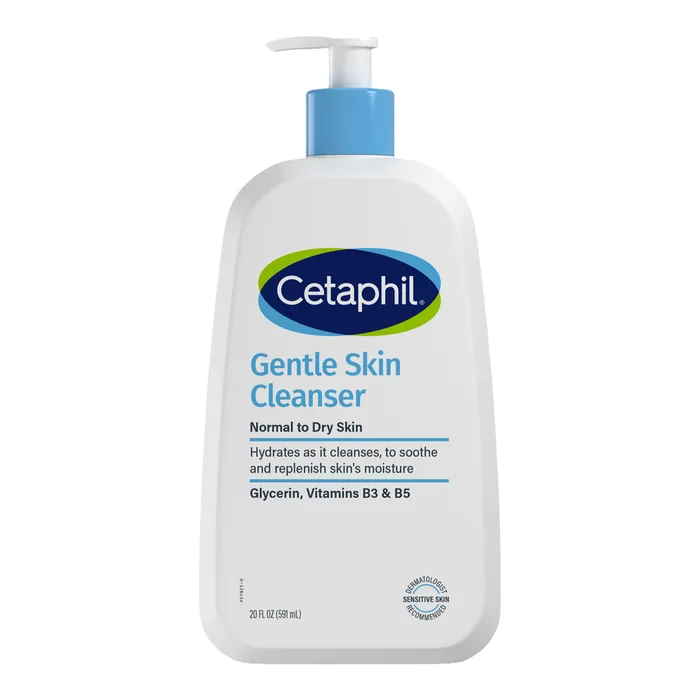
| Cetaphil Gentle Skin Cleanser | $13.99 | 20 fl oz | No | None | Dry and sensitive skin |
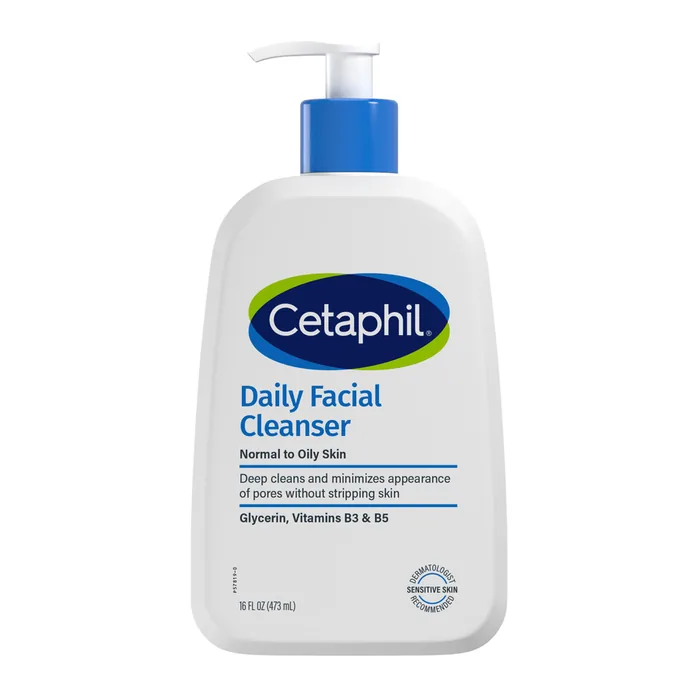
| Cetaphil Daily Facial Cleanser | $9.99 | 16 fl oz | Yes | Masking fragrance | Normal to oily skin |
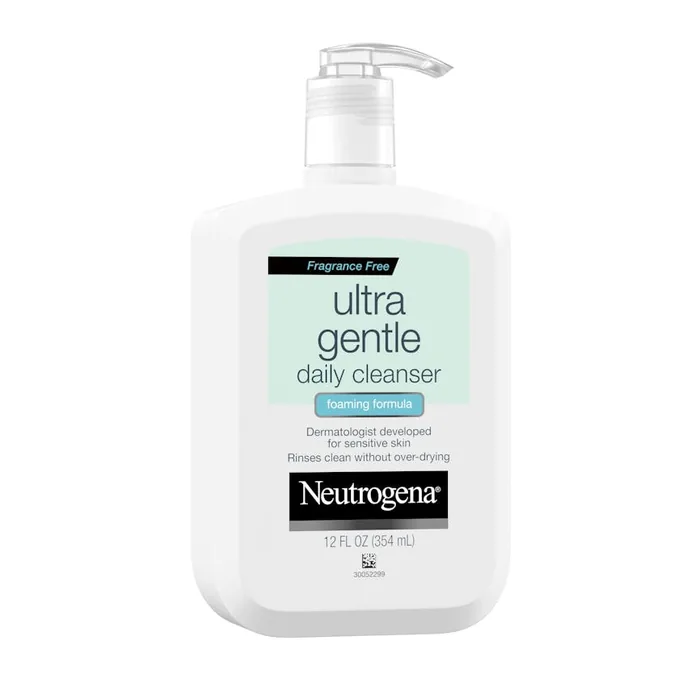
| Neutrogena Ultra Gentle Daily Cleanser | $10.49 | 12 fl oz | Yes | None | Sensitive skin that still wants foam |
Cetaphil Gentle Skin Cleanser vs Neutrogena Ultra Gentle Daily Cleanser
These two solve the same problem in different textures. The Cetaphil is non-foaming and can be used without water, which suits very dry or compromised skin. The Neutrogena foams, which most people find cleans off sunscreen more convincingly, and it does so without putting fragrance in the formula.
Reading the Neutrogena label, the surfactants are cocamidopropyl betaine and lauryl glucoside, both mild, and the formula includes centella asiatica extract, the ingredient K-beauty labels market as CICA. Centella has a reasonable dermatology literature behind it for soothing and barrier support, summarized in a Phytotherapy Research overview.
Cetaphil Daily Facial Cleanser vs Neutrogena Ultra Gentle Daily Cleanser
Cetaphil's Daily Facial Cleanser is the more active formula, and Neutrogena's is the more neutral one. Cetaphil includes niacinamide and panthenol alongside glycerin, which is a genuinely better ingredient list on paper. Niacinamide has solid published support for barrier function and tone, reviewed in Drug Delivery and Translational Research.
One detail worth knowing before you choose: the Cetaphil Daily Facial Cleanser contains masking fragrance, while the Cetaphil Gentle Skin Cleanser and the Neutrogena Ultra Gentle Daily Cleanser do not. Masking fragrance is used to neutralize the raw smell of surfactants rather than to add scent, so most people never notice it. If you avoid fragrance ingredients entirely, that single line on the label decides this for you.
Cetaphil publishes its own explanation of the difference between its two cleansers, which is worth reading if you are choosing within the brand rather than between brands.
How much cleanser actually matters
Less than the internet suggests. The American Academy of Dermatology's face washing guidance comes down to using a mild, non-abrasive cleanser, lukewarm water, and not scrubbing. All three cleansers above clear that bar. Spend your attention on the treatment step instead.
Which is better for oily skin?
Neutrogena, on range. Cetaphil's Daily Facial Cleanser is a good oily-skin cleanser and its foaming texture suits the skin type, but Cetaphil's moisturizer line stays deliberately simple. Neutrogena carries oil-free gel moisturizers, salicylic acid washes, and mattifying sunscreens, so you can build a full oily-skin routine inside one brand.
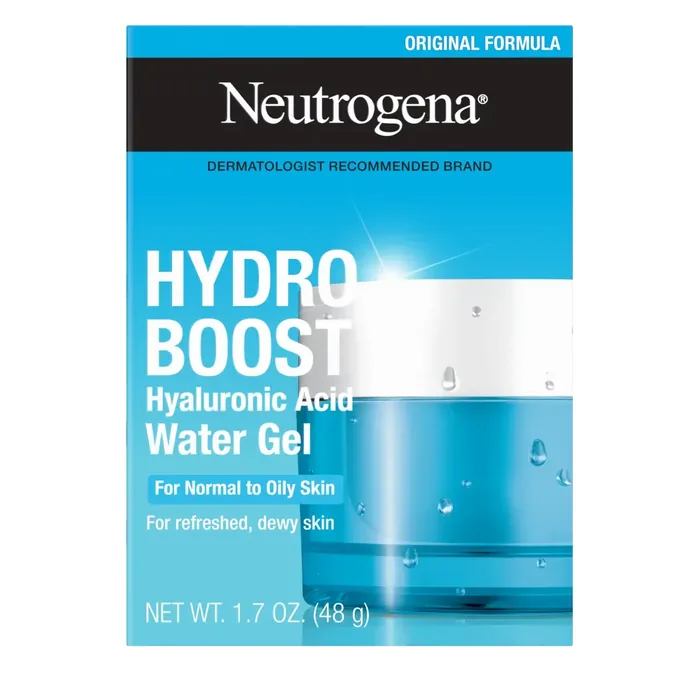
The Neutrogena Hydro Boost Water Gel at $24.99 is the specific product doing the work here. It is oil-free, gel-textured, and built on hyaluronic acid rather than heavy emollients, which is what oily skin usually wants from a moisturizer.
Which is better for dry or sensitive skin?
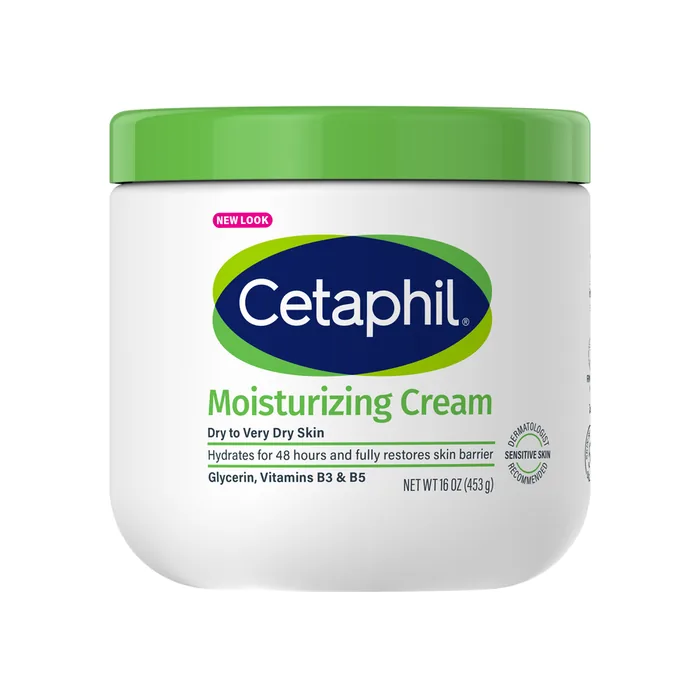
Cetaphil. The Cetaphil Moisturizing Cream at $16.49 for 16 oz is one of the better value-per-ounce creams at any price, and the Gentle Skin Cleanser is about as low-irritation as a cleanser gets. If your skin reacts to things and you want to stop experimenting, this is the pair to stop on.
Neutrogena has capable sensitive-skin options, and the Ultra Gentle Daily Cleanser is genuinely one of them. But the brand's center of gravity is actives, and a routine assembled from Neutrogena's bestsellers tends to be more stimulating than one assembled from Cetaphil's.
Which is better for acne-prone skin?
Neutrogena, clearly. Cetaphil does not sell a salicylic acid wash in its core US lineup. Neutrogena does, and it also carries benzoyl peroxide and retinol options, so the whole acne routine can come from one brand at drugstore prices.
The honest caveat is that a cleanser is a poor delivery vehicle for an acne active, because it is on your skin for under a minute. If acne is the reason you are here, the cleanser choice matters less than what you leave on afterward. Either brand's gentle cleanser plus a proper leave-on treatment beats a medicated wash used alone.
Moisturizers compared
| Product | Price | Size | Texture | Best for |
|---|---|---|---|---|
| Neutrogena Hydro Boost Water Gel | $24.99 | 1.7 fl oz | Water gel | Oily and combination skin |
| Cetaphil Moisturizing Cream | $16.49 | 16 oz | Rich cream | Dry and sensitive skin, face and body |
| Cetaphil Daily Hydrating Lotion | $13.49 | 3 fl oz | Light lotion | Normal skin wanting something simple |
On cost per use, Cetaphil wins by a wide margin. The Moisturizing Cream works out near 4 cents per ml. The Hydro Boost Water Gel is closer to 50 cents per ml. That gap is not about formula quality, it is about packaging and positioning, but it is real money over a year.
On formula sophistication for oily skin, Neutrogena wins. A rich cream is the wrong texture for skin that is already producing plenty of oil, and Cetaphil's lighter options are simple rather than clever.
What about sunscreen?
Neutrogena has the deeper sunscreen range. Its mineral and chemical options span more textures and finishes, including formulas aimed specifically at oily skin. Cetaphil sells sunscreen, but it is a smaller part of the brand and the range is narrower.
What about eye cream?
Neither brand is where we would spend on eye cream. Both sell one, both are inexpensive, and both are essentially light moisturizers in small jars. If the eye area is your priority, the money is better spent elsewhere in the routine.
How do they compare with CeraVe?
The three-way question comes up constantly, so here is the honest hierarchy: CeraVe sits closest to Cetaphil in intent and beats it on ingredient list, because CeraVe builds around ceramides. Cetaphil is the older, plainer formula. Neutrogena is the outlier of the three, aimed at actives rather than barrier maintenance.
We cover both adjacent matchups in detail: Neutrogena vs CeraVe and CeraVe vs Cetaphil moisturizer.
Who owns each brand, and why it shows
Neutrogena is owned by Kenvue, the consumer health company spun out of Johnson & Johnson in 2023. Cetaphil is owned by Galderma, a dermatology-focused company. That difference is visible in the products.
Galderma's business is dermatology, including prescription and in-office treatments, and Cetaphil behaves like a brand designed to be recommended by a clinician to someone whose skin is already unhappy. The formulas are conservative on purpose, and the range changes slowly.
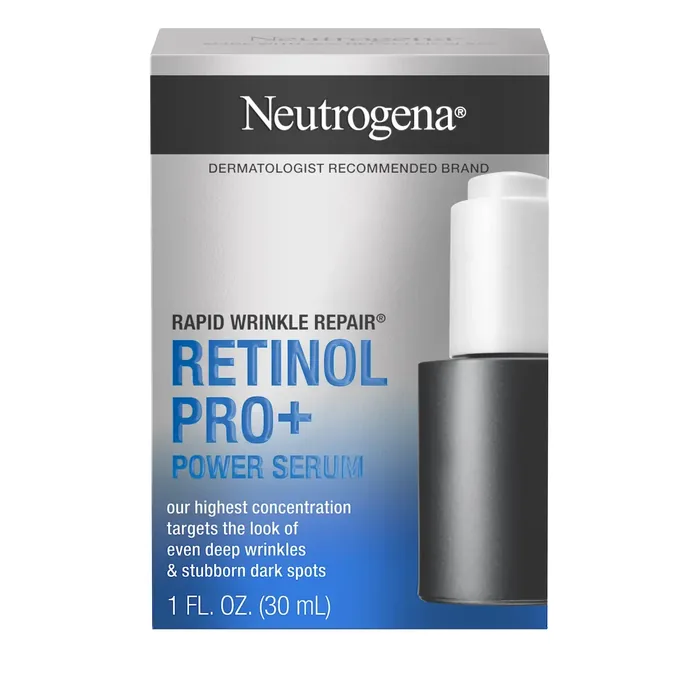
Kenvue's business is consumer health at scale, and Neutrogena behaves accordingly. It launches more, reformulates more often, and chases ingredient trends earlier. That is why Neutrogena had a retinol serum on drugstore shelves long before most competitors, and why its cleanser now contains centella.
Neither approach is better. A conservative range is an advantage when your skin is reactive and a limitation when you want a specific active.
What about body lotion?
Cetaphil, on value. The Cetaphil Moisturizing Cream is sold in a 16 oz tub and is genuinely usable head to toe, which is why it turns up in bathrooms shared by several people. Neutrogena's body range exists but is a smaller part of the brand, and there is no Neutrogena body product that matches that tub on cost per ounce.
If your hands or shins are the actual problem, buy the big Cetaphil tub and stop reading comparisons.
What about makeup removal?
Neither brand's gentle cleanser removes long-wear makeup in one pass, and neither claims to. The foaming options, including the Cetaphil Daily Facial Cleanser and the Neutrogena Ultra Gentle Daily Cleanser, handle sunscreen and light makeup adequately. Waterproof mascara and transfer-proof foundation need an oil or balm step first, from either brand or elsewhere.
Neutrogena also sells makeup remover wipes, and Cetaphil does not carry a direct equivalent in its core US range. Wipes are convenient rather than thorough, so treat them as a travel option rather than a routine.
Older formulas still on shelves
Both brands keep long-running products in circulation, which is part of why the comparison gets confusing.
Liquid Neutrogena Facial Cleansing Formula is the amber, glycerin-heavy cleanser that predates the current Ultra Gentle line by decades. It is a different product from the Ultra Gentle Daily Cleanser discussed above, and if you grew up with the amber bottle, the modern foaming version will feel unfamiliar.
Cetaphil has done the reverse and reformulated its Daily Facial Cleanser to add vitamins, which is why current bottles list niacinamide and panthenol while older reviews of the same product do not. If you are comparing against a review written more than a couple of years ago, check the label, not the review. This is the single most common source of contradictory advice on these two brands.
Why the two get recommended differently
The recurring pattern in skincare communities is not that one brand outperforms the other. It is that they get recommended by different people for different reasons.
Cetaphil gets recommended defensively, as the thing to fall back to when a routine has gone wrong and skin needs to calm down. Neutrogena gets recommended offensively, as the cheapest legitimate way to add a real active to a routine.
Both recommendations are correct, and they are not in conflict. A reasonable routine can use a Cetaphil cleanser and a Neutrogena treatment, and plenty do.
What we would actually buy
If you asked us to build one drugstore routine and stop thinking about it:
- Dry or sensitive skin: Cetaphil Gentle Skin Cleanser plus Cetaphil Moisturizing Cream. Around $30 and it lasts months.
- Oily or combination skin: Neutrogena Ultra Gentle Daily Cleanser plus Neutrogena Hydro Boost Water Gel. The cleanser is fragrance-free and the moisturizer is the right texture.
- Mixed household: Cetaphil Moisturizing Cream in the big tub, because it works on faces, hands, and bodies of every age in the house.
Neither brand sells a product that will noticeably firm or lift skin. Both are foundation, not treatment. If firmness is your goal, the active belongs in a separate step, and our Neutrogena brand page and Cetaphil brand page list everything from each we have assessed.
Editor's update
Published September 4, 2026. Prices and full ingredient lists were read from each manufacturer's own product page on that date, with the Neutrogena Ultra Gentle Daily Cleanser price confirmed at a national retailer because Neutrogena does not publish list prices.