NIVEA vs Eucerin at a glance
Here is the fact that reframes this whole comparison: NIVEA and Eucerin are both owned by the same company, Beiersdorf. They are not rivals from different camps so much as two tiers of the same house. NIVEA is the everyday, mass-market moisture brand. Eucerin is Beiersdorf's dermocosmetic line, sold as a more targeted, therapeutic option for problem dry skin.
So the short answer is about job, not loyalty. Choose Eucerin when you want targeted repair for very dry, rough, or reactive skin, because its formulas lean on actives like urea, ceramides, and lactic acid. Choose NIVEA when you want affordable everyday moisture or a firming body option, led by the classic Creme and the Q10 range.
Quick verdict for different buyers
- Choose Eucerin if you have very dry, rough, flaky, or bumpy skin and want a fragrance-free, active-led cream to repair and smooth it.
- Choose NIVEA if you want simple, rich, affordable moisture for hands and body, or a Q10 product aimed at the look of firmness.
- Choose either as a base, then add a dedicated active like a retinoid if your real goal is smoothing lines rather than relieving dryness.
What this comparison is based on
This comparison is based on each brand's stated positioning and formulas, the published logic behind humectants and barrier ingredients, and real-world usability such as texture and fragrance. It sets honest expectations rather than promising dramatic change.
Same parent, different tiers
Beiersdorf, the German company behind both brands, positions them deliberately. You can see the fuller background on our NIVEA brand page and Eucerin brand page.
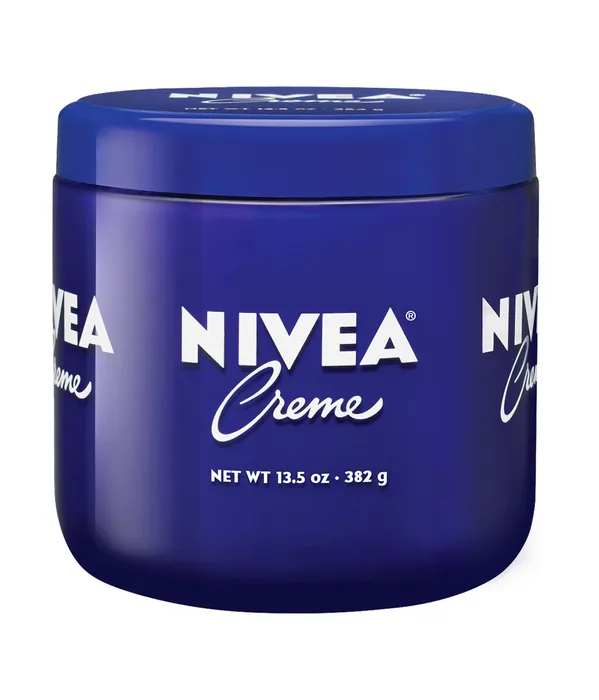
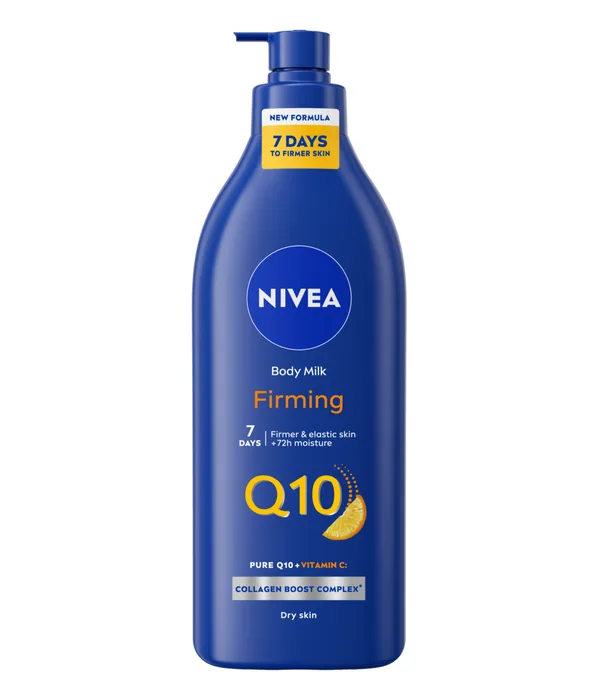
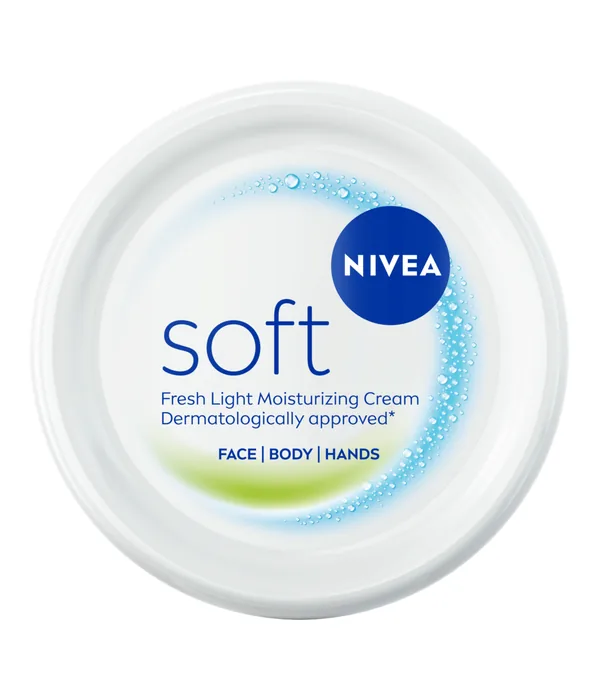
NIVEA is the heritage everyday brand. The blue-tin NIVEA Creme launched in 1911 and is still a rich, occlusive moisturizer for hands, body, and dry patches. NIVEA Soft is its lightweight sibling, and the Q10 Firming Body Milk adds coenzyme Q10 and vitamin C to target the appearance of firmer skin.
Eucerin is the dermocosmetic tier, the line Beiersdorf points toward when skin needs more than everyday moisture. Its dry-skin creams are built around therapeutic actives and are usually fragrance-free, which is why they are often recommended for very dry, rough, or sensitive skin.
Ingredients and formulas: NIVEA vs Eucerin
The practical difference is everyday occlusive moisture versus active-led dry-skin repair.
| Brand | Positioning | Hero ingredients | Best practical fit |
|---|---|---|---|
| NIVEA | Everyday moisture plus Q10 firming | Panthenol, mineral oil, coenzyme Q10, jojoba | Rich body and hand moisture, or the look of firmness |
| Eucerin | Dermocosmetic dry-skin repair | Urea, ceramides, lactic acid, glycerin | Very dry, rough, or bumpy skin that needs targeted repair |
Eucerin: what the formulas are trying to do
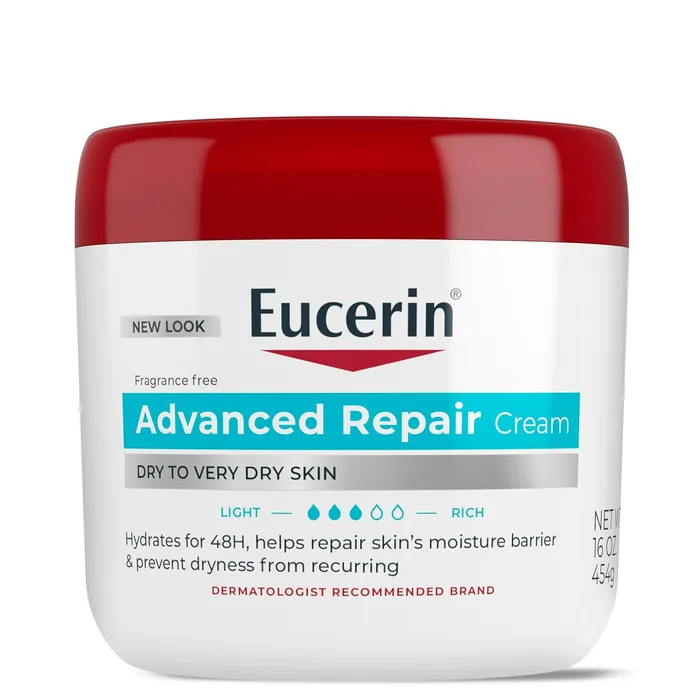
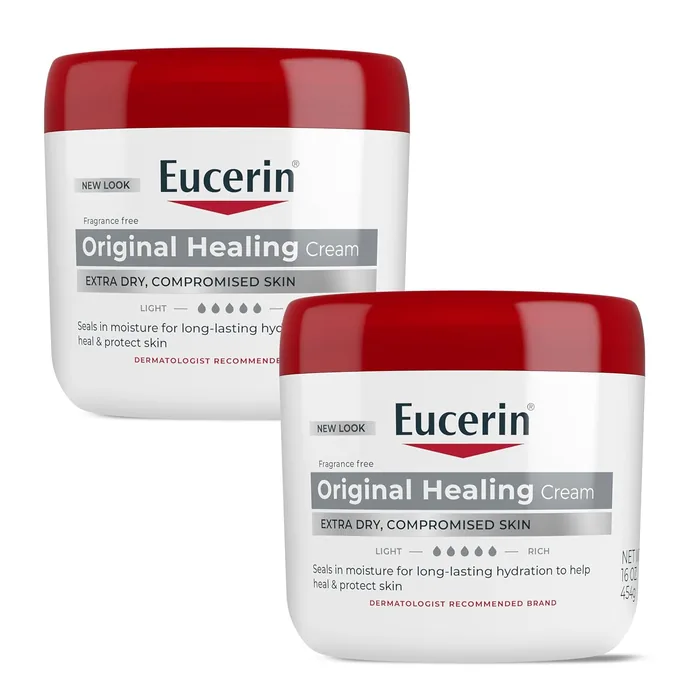
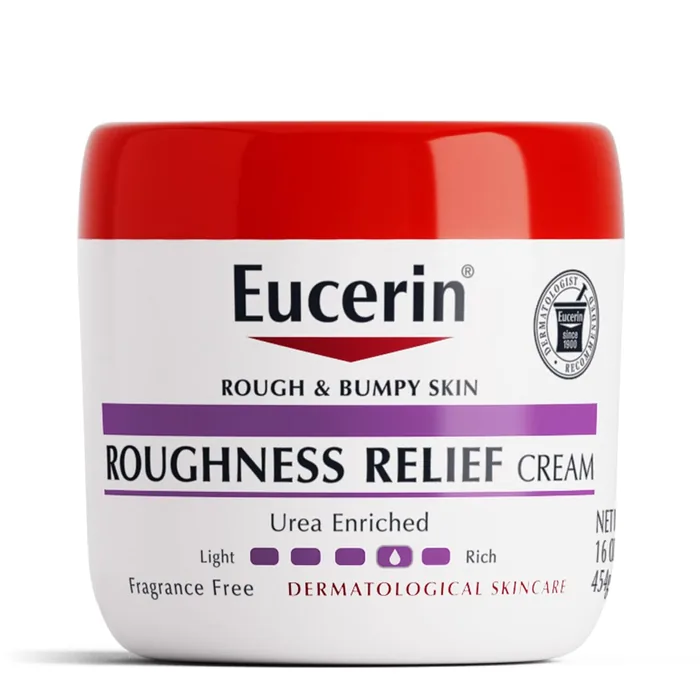
Eucerin's dry-skin creams use humectant and keratolytic actives to do more than sit on the surface. Urea both hydrates and gently smooths rough, flaky skin, which is why Eucerin is a frequent pick for very dry legs, elbows, and rough, bumpy texture. The Advanced Repair Cream pairs that approach with ceramides, and the Original Healing and Roughness Relief creams target intensely dry and rough areas. Most are fragrance-free.
The trade-off is that these are targeted repair creams. They are less about a luxurious everyday feel and more about fixing a specific dry-skin problem.
NIVEA: what the formulas are trying to do
NIVEA is simpler and more everyday. NIVEA Creme seals in moisture with a panthenol and mineral-oil base, NIVEA Soft is a light, jojoba-and-vitamin E lotion-cream, and the Q10 Body Milk adds antioxidants for the look of firmness. The classic creams carry NIVEA's signature light scent.
The trade-off is that NIVEA does not carry the same targeted, active-led dry-skin repair as Eucerin, and its fragrance can bother very reactive skin.
Texture, scent, and daily use
Eucerin skews clinical: fragrance-free, focused, and formulated for skin that flakes, itches, or feels rough. If your dryness is a genuine problem rather than a comfort preference, that focus is the point.
NIVEA skews everyday: richer, lightly scented, and pleasant for general moisture. The blue-tin Creme is heavy and best for body and dry patches, while NIVEA Soft is the more face-friendly option.
Price and value
Both are affordable, but they price to their tiers.
- NIVEA is the cheaper, everyday option, and a tin or bottle lasts a long time.
- Eucerin costs a little more, which reflects its active-led, dermocosmetic positioning.
- For either brand, drugstore and pharmacy sales plus multipacks give the best value.
Which should you choose?
- For very dry, rough, or bumpy skin: Eucerin, for its urea and ceramide-led repair creams.
- For everyday rich moisture: NIVEA Creme, or NIVEA Soft for a lighter feel.
- For the look of firmer skin: NIVEA's Q10 range, with realistic expectations.
- For fragrance-sensitive skin: Eucerin's fragrance-free dry-skin creams.
Because both come from Beiersdorf, you are really choosing between everyday moisture and targeted repair, not between two opposing philosophies. Many people keep a NIVEA cream for general use and reach for Eucerin when a dry-skin flare needs more help.