Obagi vs ZO Skin Health: the short answer
Pick Obagi if you want a 20% vitamin C serum, lower prices, and a retinol and moisturizer with no fragrance on the label. Pick ZO Skin Health if you want a retinol with a stated 0.5% strength, or a growth factor serum with results measured by instruments.
The two brands share a founder but not an owner. Obagi's three products here cost $70 to $155. ZO Skin Health sells through skin health professionals and its own site, and its three products cost $175 to $200.
This comparison is built from brand pages, ingredient lists and published studies, not hands-on testing.
Choose this if
- Choose Obagi if fragrance bothers your skin. Obagi360 Retinol 1.0 and Obagi Hydrate list no fragrance and no fragrance allergens. Both ZO ingredient lists we could read include fragrance or fragrance allergens.
- Choose Obagi if you want the lower checkout price. All three Obagi products together cost $315, and the three ZO products cost $565.
- Choose ZO Skin Health if you want measured results behind a serum. In a 12-week study of 46 women, ZO reports a 26% improvement in hydration and 16% in elasticity for Growth Factor Serum, both measured with instruments.
Are Obagi and ZO Skin Health the same company?
No. Obagi and ZO Skin Health are separate companies, even though dermatologist Dr. Zein Obagi founded both. He launched Obagi in 1988, and Beauty Independent reports that he sold his stake in 1997 and later cut ties with the company. He founded ZO Skin Health in 2007 and is its medical director.
Obagi is now owned by private equity firm Bridgepoint. On June 2, 2026, Bridgepoint agreed to buy Obagi Medical from Waldencast, which had owned it since July 2022, in a deal valued at up to $460 million. Waldencast reported completing the sale in a filing covered on July 30, 2026.
ZO Skin Health is privately held. Funds managed by Blackstone Tactical Opportunities bought a majority stake on October 5, 2020. On September 8, 2026, Reuters reported that Blackstone is exploring a sale of ZO at an early stage, with a possible valuation of around $2 billion, citing people familiar with the matter. No deal had been announced when we checked on September 17, 2026.
Full histories are on our Obagi brand page and ZO Skin Health brand page.
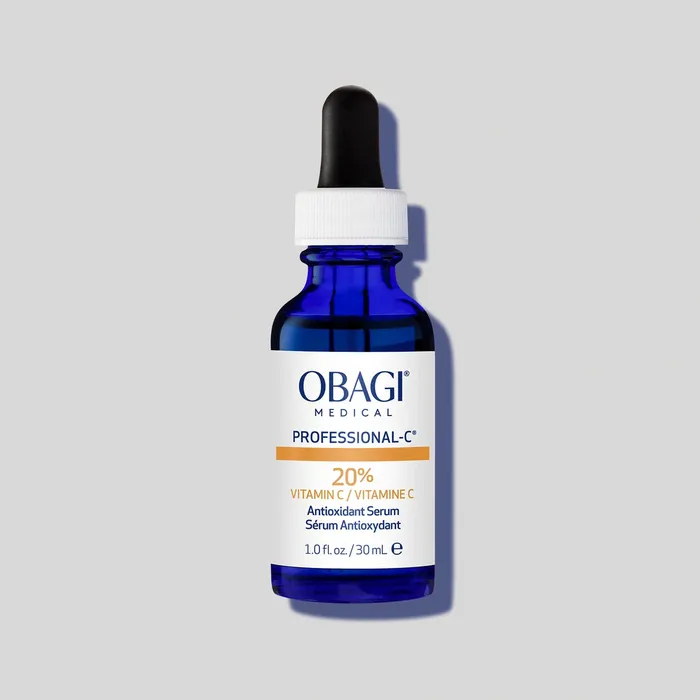
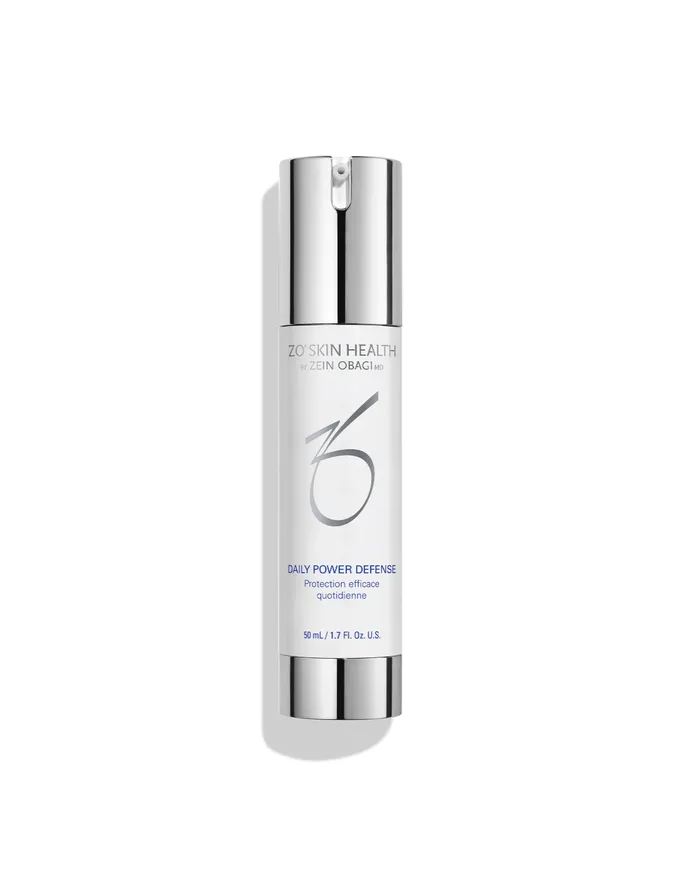
Professional-C Serum 20% vs Daily Power Defense: which antioxidant serum?
Obagi Professional-C Serum 20% is a vitamin C serum with a stated 20% concentration, while ZO Daily Power Defense is an antioxidant serum built on vitamins A and E and plant complexes, with no stated percentage for any ingredient. Pick Obagi for a morning vitamin C step. Pick ZO for a larger bottle meant for morning and evening use.
| Professional-C Serum 20% | Daily Power Defense | |
|---|---|---|
| Price and size | $155 for 1.0 fl oz (30 ml) | $190 for 1.7 fl oz (50 ml) |
| Price per ounce | $152.80 | $112.38 |
| Key actives named by the brand | 20% vitamin C (L-ascorbic acid), sodium hyaluronate | Vitamins A and E, ZO-RRS2 plant stem cell complex, ZPOLY polysaccharide complex, micrococcus lysate, arabidopsis thaliana extract |
| Fragrance | Contains fragrance, plus four fragrance allergens | Not verified |
| Denatured alcohol | Fourth ingredient | Not verified |
| Format and use | Dropper serum, 5 to 7 drops in the morning | Pump serum, 1 to 2 pumps morning and evening |
Professional-C Serum 20%. Obagi's label reads "20% Vitamin C," and image text on the page names the form as L-ascorbic acid. Ascorbic acid is the third ingredient, after propylene glycol and water, and a second form of vitamin C, ascorbyl glucoside, comes fifth.
A 2001 study in Dermatologic Surgery applied L-ascorbic acid to pig skin to measure absorption and found that uptake peaked at a 20% concentration, in formulas below pH 3.5. That study tested the ingredient, not Obagi's serum.
Daily Power Defense. ZO does not say which form of vitamin A it uses. We could not verify its full ingredient list online, so this comparison does not state its fragrance or alcohol content.
How to read each brand's results
A consumer self-assessment asks people to rate their own skin. An expert-grader result comes from a trained evaluator scoring skin, and an instrumental result comes from a device, such as a Corneometer for hydration. Self-assessments tell you how people felt about a product, while the other two measure change.
- Professional-C Serum 20%: 91% of users reported skin that appeared bright and more hydrated, from a 2010 Obagi survey of its vitamin C products in general. A claim about oxidative stress from blue light and infrared radiation comes from a 2023 lab assay, not a test on skin. Both are brand-reported without published study details.
- Daily Power Defense: in what ZO describes as a 12-week independent third-party study of 38 women aged 47 to 70, 92% said their skin appeared healthier by week 2, and 92% said it kept a uniform look through the day by week 4. Both are self-assessments.
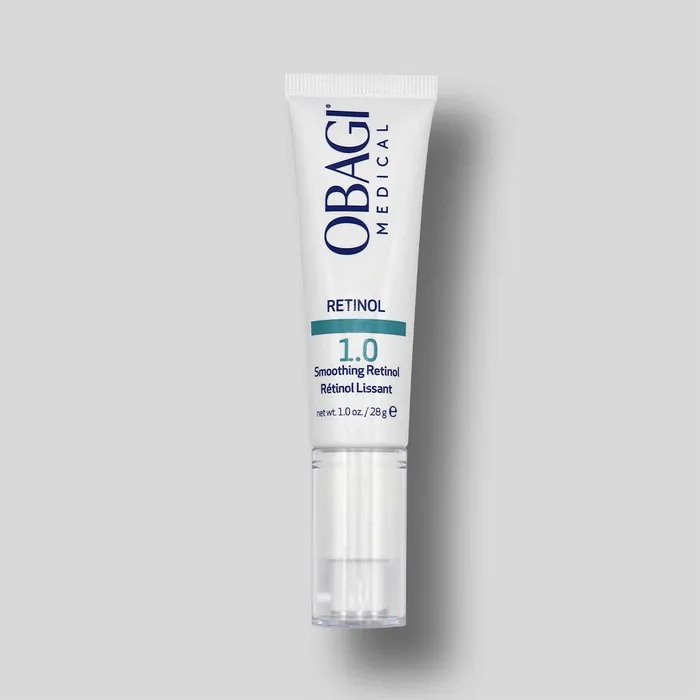
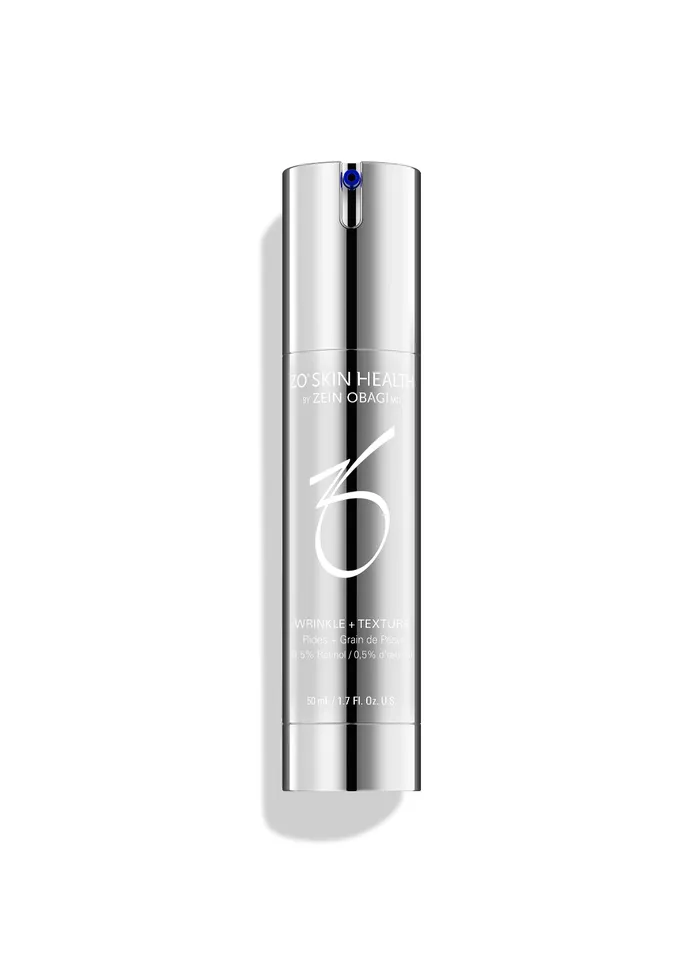
Obagi Retinol 1.0 vs ZO Wrinkle + Texture 0.5%: which retinol is stronger?
ZO states that Wrinkle + Texture 0.5% contains 0.5% retinol, while Obagi's page for Obagi360 Retinol 1.0 does not state a retinol percentage, so the labels cannot tell you which is stronger. The "1.0" is part of Obagi's product name, not a stated percentage.
| Obagi360 Retinol 1.0 | Wrinkle + Texture 0.5% | |
|---|---|---|
| Price and size | $90 for 1.0 oz net wt (28 g) | $175 for 1.7 fl oz (50 ml) |
| Price per ounce | $91.12 per oz (weight) | $103.51 |
| Retinol strength | Not stated on the page | 0.5%, stated on page and pack |
| Fragrance | None listed | No fragrance entry; lists lavender oil and geranium flower oil |
| Fragrance allergens | None listed | Linalool, citronellol, geraniol, citral, limonene |
| Denatured alcohol | Not listed | Not listed |
| How to use | 1 pump once daily in the evening | Evenings, twice a week at first, building to daily as tolerated |
Obagi360 Retinol 1.0 uses slow-release entrapped retinol in an airless pump tube, with shea butter and jojoba seed oil. Wrinkle + Texture 0.5% uses a microemulsion and also lists caprooyl tetrapeptide-3 and beta-glucan. Both brands list redness as a possible reaction, and both recommend SPF 30 or higher daily. Our retinol guide covers how to start.
For retinol as an ingredient, a 2007 randomized, vehicle-controlled study in Archives of Dermatology found that 0.4% retinol lotion improved fine wrinkles on the arms of 36 elderly participants over 24 weeks. That supports the ingredient, not either product.
- Obagi360 Retinol 1.0: 79% agreed their fine lines and wrinkles appeared less visible, 82% that skin tone looked more even or brighter, and 88% that texture improved. The footnote describes a facial irritation evaluation after 3 weeks. These are self-assessments, brand-reported without a sample size.
- Wrinkle + Texture 0.5%: in a 12-week independent third-party study of 43 women aged 42 to 67, by week 8, 95% said skin felt smoother, 91% said it appeared more youthful, and 93% saw noticeable improvement in skin quality. These are self-assessments. The study protocol uses the product's old name, Wrinkle + Texture Repair, and the page does not say whether the tested formula matches the current 0.5% version.
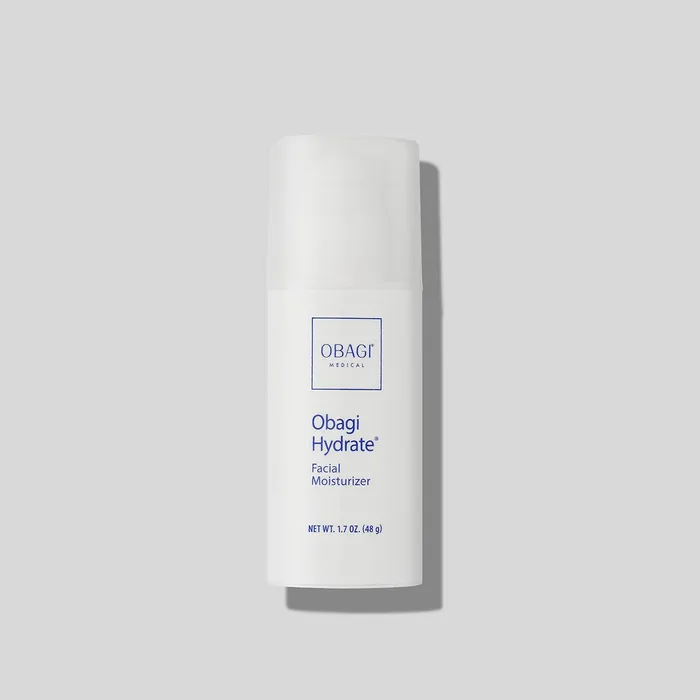
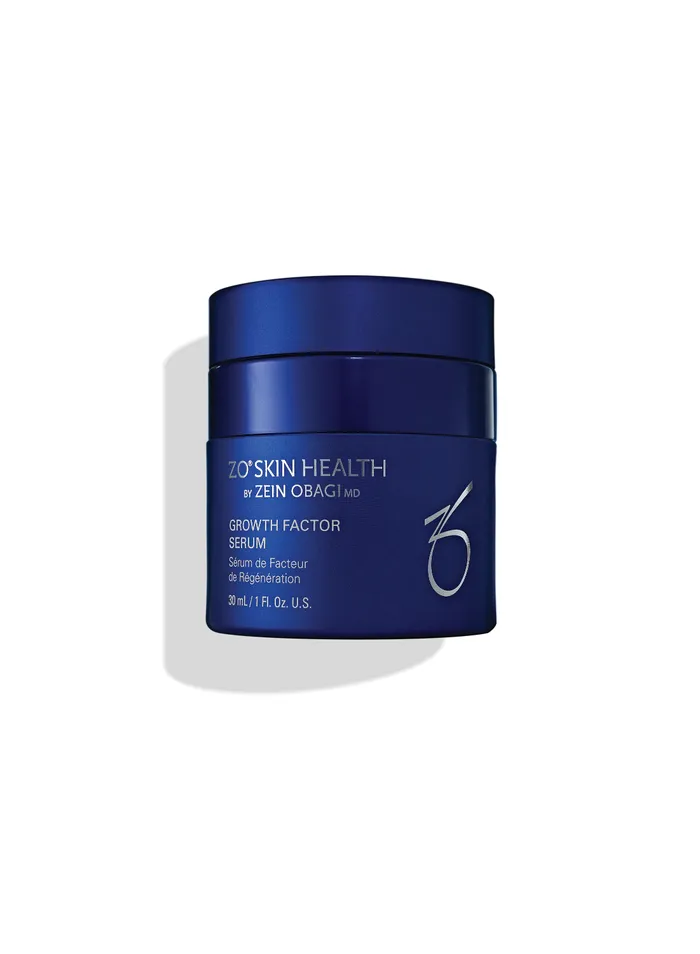
Obagi Hydrate vs ZO Growth Factor Serum: which should you buy?
Obagi Hydrate and ZO Growth Factor Serum do different jobs: Hydrate is a $70 moisturizer, and Growth Factor Serum is a $200 serum that ZO says to apply last, before sunscreen. Pick Hydrate for everyday moisture with no fragrance listed. Pick Growth Factor Serum for the only product here with results measured on skin by instruments and expert graders.
| Obagi Hydrate Facial Moisturizer | Growth Factor Serum | |
|---|---|---|
| Price and size | $70 for 1.7 oz net wt (48 g) | $200 for 1 fl oz (30 ml) |
| Price per ounce | $41.34 per oz (weight) | $197.16 |
| Key ingredients named | Tara seed extract, shea butter, mango butter | Plant- and enzymatically-derived growth factors, dipeptide diaminobutyroyl benzylamide diacetate, ZPRO |
| Fragrance | None listed | Fragrance/parfum, last ingredient |
| Denatured alcohol | Not listed | Not listed |
| Format and use | Lightweight cream in a pump, morning and evening | Serum in a pump jar, 1 to 2 pumps morning and evening |
Obagi Hydrate lists glycerin second and shea butter fourth. Obagi calls its tara seed extract clinically proven to improve skin moisture, a claim made for the ingredient, not the finished cream, with no study details given.
Growth Factor Serum uses what ZO's FAQ calls human-comparable sh-oligopeptide growth factors, synthesized and plant- and enzymatically-derived, not human-derived. A 2016 review of cosmetic products containing growth factors, cytokines and matrikines summarized products with evidence for skin rejuvenation. It does not evaluate ZO's serum.
What ZO's Growth Factor Serum study measured
ZO reports these figures from a 12-week independent third-party study of 46 women aged 44 to 74 with moderate to severe signs of aging, using the serum twice daily. The page does not give the time point for each figure.
- Instrumental: 26% improvement in hydration and 16% improvement in elasticity
- Expert grader: 42% improvement in visible radiance and texture, and 15% improvement in the appearance of fine lines
- Self-assessment: 98% agreed their skin looked rejuvenated
Can you buy Obagi and ZO Skin Health without a doctor?
Obagi sells all three of its products here directly on obagi.com, while ZO Skin Health says its products are sold only through a skin health professional's office or ZO's online stores. Obagi's pages show an Add To Bag button and a physician finder link, and Dermstore also carries the brand.
ZO is a physician-dispensed brand. Its FAQ says you can buy at zoskinhealth.com if your professional does not carry a product. Each of the three ZO product pages here shows a notice that the product "is only available for purchase via our network of clinical professionals," and the same pages show an Add to Bag button. We also compare SkinMedica vs SkinCeuticals.
Which is cheaper, Obagi or ZO Skin Health?
Obagi costs less than ZO Skin Health at checkout in every matchup, and less per ounce in two of the three. ZO Daily Power Defense costs less per ounce than Obagi Professional-C because it comes in a larger bottle.
| Product | Price | Size | Per ounce |
|---|---|---|---|
| Obagi Hydrate Facial Moisturizer | $70 | 48 g (1.7 oz net wt) | $41.34 per oz (weight) |
| Obagi360 Retinol 1.0 | $90 | 28 g (1.0 oz net wt) | $91.12 per oz (weight) |
| ZO Wrinkle + Texture 0.5% | $175 | 50 ml | $103.51 |
| ZO Daily Power Defense | $190 | 50 ml | $112.38 |
| Obagi Professional-C Serum 20% | $155 | 30 ml | $152.80 |
| ZO Growth Factor Serum | $200 | 30 ml | $197.16 |
Obagi's retinol and moisturizer are sold by weight, so their per-ounce figures compare only roughly with fluid ounces. Smaller sizes, such as ZO's 30 ml travel bottles, cost more per ounce. Prices come from obagi.com and zoskinhealth.com on September 17, 2026, and sales and sets change them. Obagi offers 15% off subscriptions, and ZO offers 5% to 10% off.
Which is better for sensitive skin, Obagi or ZO Skin Health?
Obagi suits fragrance-sensitive skin better than ZO Skin Health, based on its retinol and moisturizer labels. Obagi360 Retinol 1.0 and Obagi Hydrate list no fragrance, no fragrance allergens and no denatured alcohol. Both ZO ingredient lists we could read include fragrance or plant oils with fragrance allergens.
| Product | Fragrance listed | Fragrance allergens listed | Denatured alcohol | Other notes |
|---|---|---|---|---|
| Obagi Hydrate | No | None | Not listed | |
| Obagi360 Retinol 1.0 | No | None | Not listed | Mild redness, peeling or irritation may occur |
| Obagi Professional-C Serum 20% | Yes | Benzyl benzoate, amyl cinnamal, limonene, hexyl cinnamal | 4th ingredient | Contains orange peel and grapefruit extracts |
| ZO Wrinkle + Texture 0.5% | No fragrance entry | Linalool, citronellol, geraniol, citral, limonene | Not listed | Contains lavender oil and geranium flower oil |
| ZO Growth Factor Serum | Yes | None of limonene, linalool, citronellol or geraniol | Not listed | |
| ZO Daily Power Defense | Not verified | Not verified | Not verified | Full ingredient list could not be verified online |
ZO notes that ingredient lists on its website may differ from packaging, so read the carton before you buy. Patch-test any new product first.
What we would buy
- A vitamin C serum: Obagi Professional-C Serum 20%, if fragrance does not bother you.
- A lower-cost retinol with no fragrance listed: Obagi360 Retinol 1.0 at $90.
- A retinol with a known percentage: ZO Wrinkle + Texture 0.5%.
- An everyday moisturizer with no fragrance listed: Obagi Hydrate.
- A serum with measured hydration and elasticity results: ZO Growth Factor Serum.
- A twice-daily antioxidant serum: ZO Daily Power Defense, once you check the carton's ingredient list.
Sources
- Product pages and ingredient lists for all six products, obagi.com and zoskinhealth.com, plus the ZO FAQ and anti-diversion page, captured September 17, 2026
- Ownership: Beauty Independent on Waldencast's acquisition of Obagi; Bridgepoint's June 2026 press release; Waldencast's Form 6-K reported July 30, 2026; Blackstone's October 2020 press release on ZO Skin Health; Reuters, September 8, 2026
- Pinnell SR et al., Topical L-ascorbic acid: percutaneous absorption studies, Dermatologic Surgery, 2001 (PMID 11207686)
- Kafi R et al., Improvement of naturally aged skin with vitamin A (retinol), Archives of Dermatology, 2007 (PMID 17515510)
- Aldag C et al., Skin rejuvenation using cosmetic products containing growth factors, cytokines, and matrikines: a review of the literature, Clinical, Cosmetic and Investigational Dermatology, 2016 (PMID 27877059)
Editor's update
Published September 17, 2026. Prices, sizes, ingredient lists, purchase notices and brand test results were read from obagi.com and zoskinhealth.com on that date, and ownership details come from Beauty Independent, Bridgepoint, Waldencast's Form 6-K, Blackstone and Reuters. ZO Daily Power Defense's full ingredient list could not be verified online, so its fragrance and alcohol content are not stated. ZO's retinol here is Wrinkle + Texture 0.5%, formerly Wrinkle + Texture Repair, and Obagi does not state a retinol percentage for Obagi360 Retinol 1.0. Obagi Retinol 1.0 and Hydrate are sold by net weight, so their price per ounce is calculated by weight. Two Growth Factor Serum results whose footnote marks did not match their wording were left out.