NIVEA vs CeraVe at a glance
If you want the short answer, CeraVe usually makes more sense as an everyday barrier moisturizer, especially for dry, sensitive, or eczema-prone skin, because it is built around ceramides and hyaluronic acid in a fragrance-free base. NIVEA makes more sense when you want rich, comforting moisture or a firming body option, thanks to the classic blue-tin Creme and the Q10 range aimed at the look of skin elasticity.
Both are genuinely affordable, widely stocked, and have earned their reputations over decades. The better choice depends less on the brand name and more on your skin type, whether you prefer fragrance-free, and whether "repair my barrier" or "rich comfort and firming" is closer to your goal.
Quick verdict for different buyers
- Choose CeraVe if you want a fragrance-free, ceramide-based moisturizer for dry or sensitive skin, or a barrier-repair option you can also use on your face.
- Choose NIVEA if you want rich, occlusive moisture for very dry hands and body, a lightly scented classic cream, or a Q10 firming body product.
- Choose neither for targeted anti-aging without adding a dedicated active such as a retinoid or vitamin C, since these are moisturizers first.
What this comparison is based on
This comparison is based on:
- published ingredient logic for ceramides, occlusives, and antioxidants
- each brand's stated positioning and formulas
- real-world usability, including texture, scent, and finish
- honest expectation-setting rather than dramatic claims
Two different jobs: barrier repair vs rich comfort
The clearest way to understand NIVEA vs CeraVe is that they were designed for slightly different jobs.
CeraVe is a dermatologist-informed brand built on the idea that dry and sensitive skin has a weakened barrier, and that replacing the skin's own lipids helps. Its moisturizers pair three ceramides with hyaluronic acid and glycerin, delivered through a controlled-release system, in fragrance-free formulas.
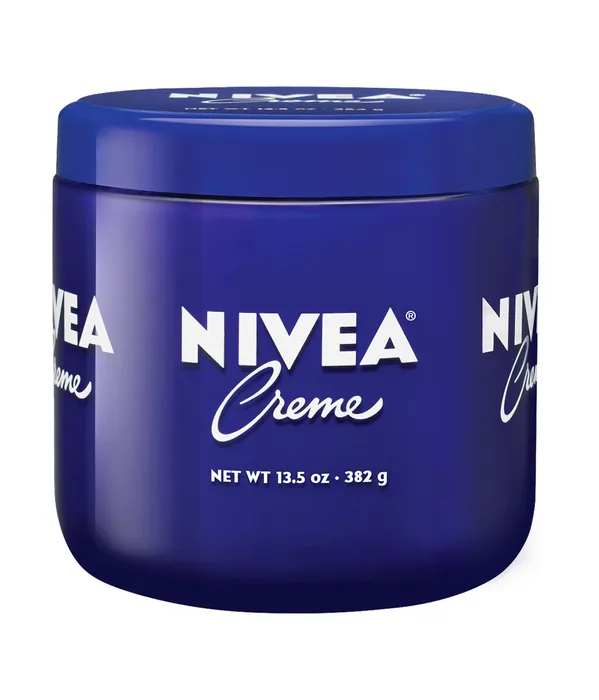
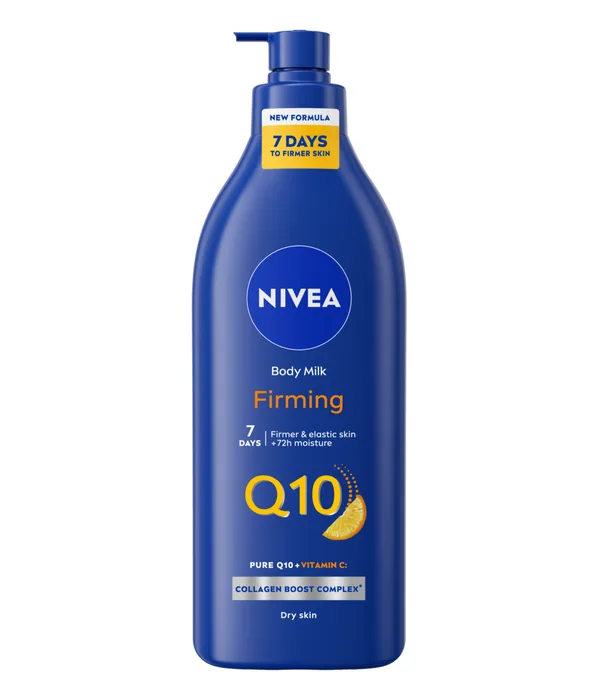
NIVEA is a heritage brand from the German company Beiersdorf. Its signature NIVEA Creme, in the blue tin, launched in 1911 as one of the first stable water-in-oil moisturizers, and it is still a rich, occlusive cream for hands, body, and very dry areas. Alongside it, NIVEA runs a Q10 firming range that adds coenzyme Q10 and antioxidants to target the appearance of firmness and elasticity.
You can read more on our NIVEA brand page and CeraVe brand page.
Ingredients and formulas: NIVEA vs CeraVe
The biggest practical difference is ceramide barrier repair versus occlusive richness plus Q10.
| Brand | Core formula logic | Fragrance | Best practical fit |
|---|---|---|---|
| CeraVe | Three ceramides, hyaluronic acid, glycerin | Fragrance-free | Dry and sensitive skin that wants barrier repair, face or body |
| NIVEA | Occlusive Creme; Q10 and antioxidants in the firming range | Lightly fragranced | Rich body and hand moisture, or the look of firmer skin |
CeraVe: what the formula is trying to do
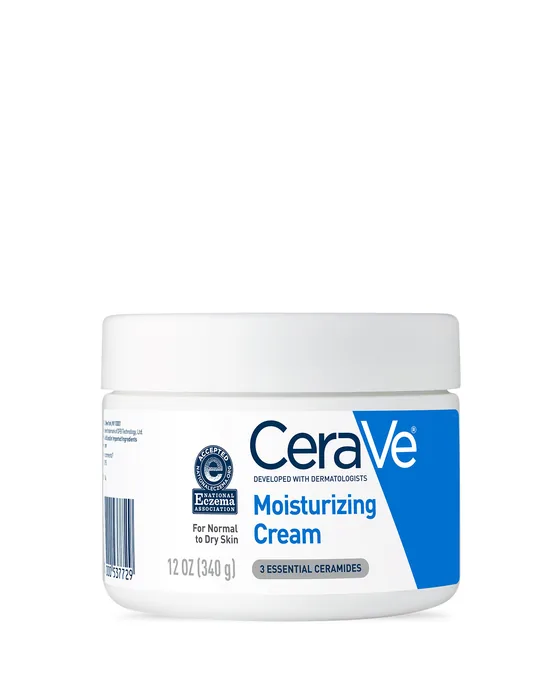
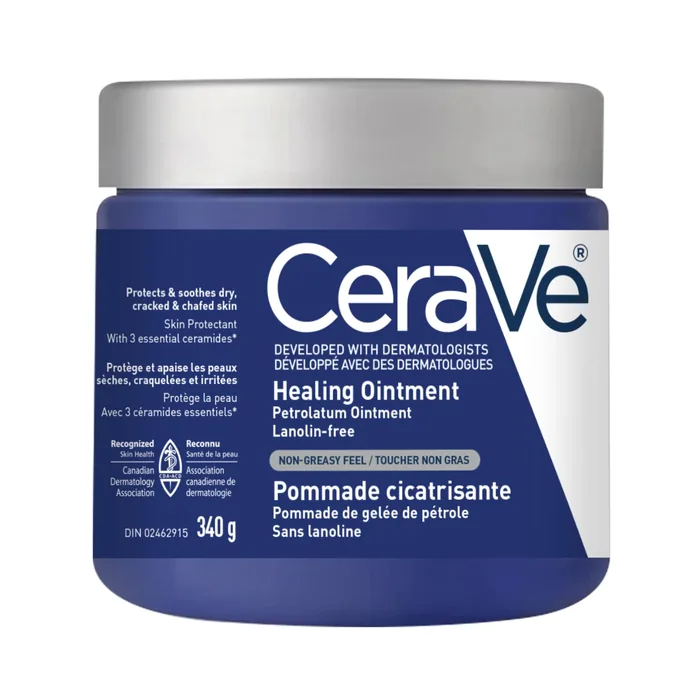
CeraVe Moisturizing Cream centers on ceramides 1, 3, and 6-II, the barrier lipids that help skin hold water, plus hyaluronic acid to draw in moisture. Because it is fragrance-free and non-comedogenic, it is a common recommendation for sensitive and eczema-prone skin, and it is accepted by the National Eczema Association. The CeraVe Healing Ointment goes further for very dry, cracked areas with a petrolatum-based occlusive.
The trade-off is that CeraVe is a maintenance and repair moisturizer. It will not firm, brighten, or noticeably change wrinkles on its own.
NIVEA: what the formula is trying to do
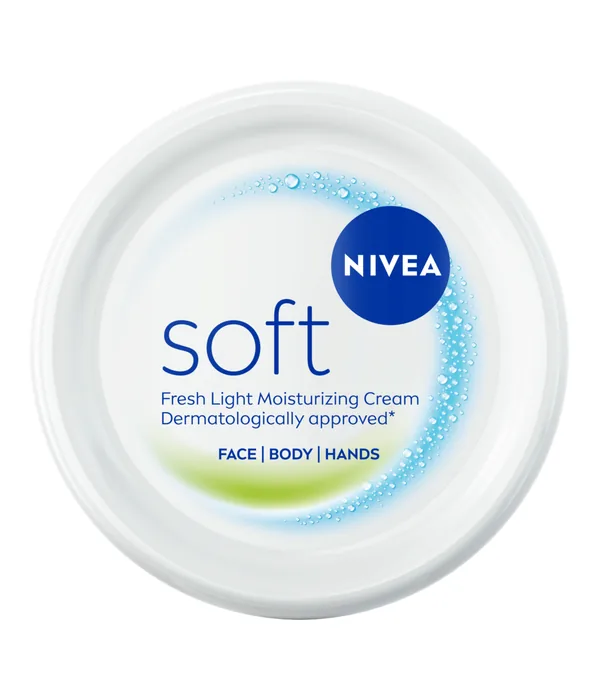
NIVEA Creme is an unapologetically rich, occlusive cream. Its panthenol (provitamin B5) and mineral-oil base seal in moisture, which is why people reach for it on dry hands, elbows, and heels. NIVEA Soft is the lighter, faster-absorbing version with jojoba oil and vitamin E. The Q10 Firming Body Milk adds coenzyme Q10 and vitamin C, and NIVEA says it can support the look of firmness and elasticity with regular use.
The trade-off is that the classic creams are lightly fragranced, which can bother very reactive skin, and the firming claims describe the appearance of firmer skin rather than a structural change.
Texture, scent, and daily use
CeraVe formulas are fragrance-free with a cushioned, neutral feel. That makes them easy to layer under sunscreen or actives, and easy to recommend for the whole family, including reactive skin.
NIVEA leans into a richer, more traditional cream experience with its signature scent. The blue-tin Creme is heavy and best for body and very dry spots rather than all-over facial use on oily skin. NIVEA Soft is the more face-friendly, lightweight option, and the Q10 Body Milk is a thinner lotion made for quick full-body use.
Price and value
Both brands are genuinely affordable, so value comes down to size and fit rather than luxury.
- CeraVe Moisturizing Cream offers excellent cost per use in the large tub, and one jar covers face and body.
- NIVEA Creme is one of the cheapest rich creams available, and a tin lasts a long time because a little goes a long way.
- The NIVEA Q10 range costs a bit more than the plain creams but is still a budget way to try a firming body product.
For the lowest prices on either brand, drugstore and big-box sales plus multipacks beat brand-site pricing.
Which should you choose?
- For barrier repair on dry or sensitive skin: CeraVe, for its ceramide-and-hyaluronic-acid formula and fragrance-free base.
- For rich body and hand moisture: NIVEA Creme, or CeraVe Healing Ointment if you want fragrance-free.
- For the look of firmer skin: NIVEA's Q10 range, with realistic expectations.
- For sensitive facial skin: CeraVe, or NIVEA Soft if you prefer a light cream and tolerate a little fragrance.
Neither brand is a targeted anti-aging treatment. If your main goal is smoothing lines or firming facial skin, pair either moisturizer with a dedicated active and daily sunscreen.